

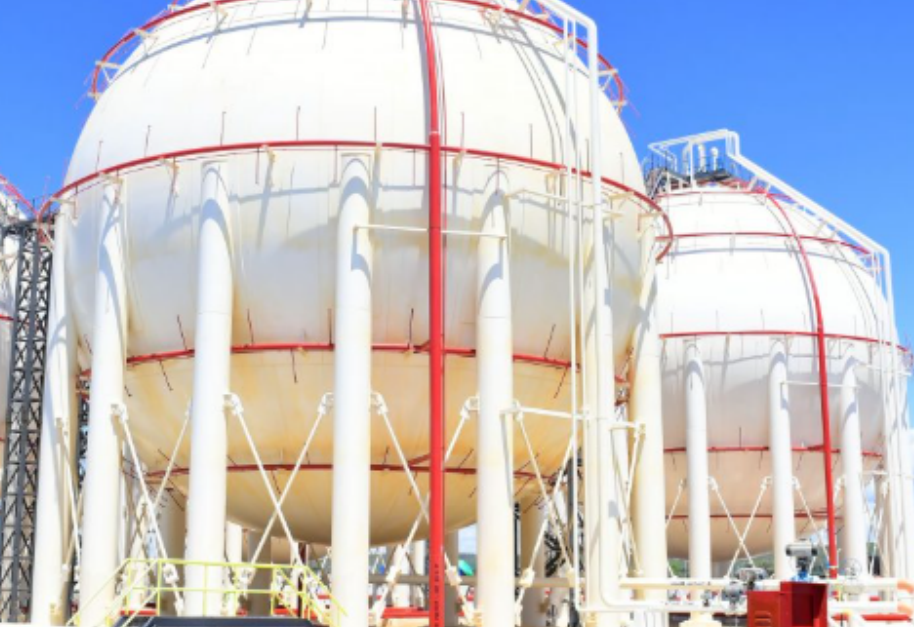
A new liquefied petroleum gas (LPG) storage project planned for Mombasa is expected to boost government revenue while strengthening Kenya’s push towards cleaner cooking energy.
The project will see Asharami Synergy Limited develop a modern LPG storage facility on land owned by Kenya Petroleum Refineries Limited (KPRL), with the government set to earn Sh22.5 million every month in lease payments throughout the 31-year agreement.
The development is also expected to increase the country’s LPG storage capacity by 30,000 metric tonnes, a move that officials believe will improve the supply of cooking gas and help reduce prices for consumers over time.
State Department for Petroleum Principal Secretary Kello Harsama disclosed the details while appearing before the Senate, where he updated lawmakers on the progress of the project.
According to Harsama, all the major regulatory requirements have already been met, clearing the way for construction to begin in October. He said the Energy and Petroleum Regulatory Authority (EPRA) has issued the necessary licence and that the project is expected to take about two years to complete.
The storage terminal will be built on a 23.19-acre parcel within the KPRL premises in Mombasa, one of Kenya’s key petroleum handling hubs. Once operational, it will become part of the country’s growing fuel infrastructure aimed at supporting rising demand for LPG.
LPG households
Kenya has been working to expand access to cleaner cooking fuels as part of efforts to reduce dependence on charcoal, kerosene and firewood. While the number of households using LPG has grown over the years, high prices and limited storage capacity have remained major challenges.
Government officials believe expanding storage facilities will allow Kenya to import larger volumes of LPG at lower costs, improving supply and stabilising prices in the local market.
Harsama said the project will support the government’s target of increasing LPG adoption from the current 15 percent to 70 percent within the next four years. It will also contribute to the establishment of a Common User Facility, where multiple licensed LPG marketers can access the same storage infrastructure, creating a more competitive and efficient market.
Despite the government’s ownership of the land, Harsama explained that the investment itself will be fully financed by Asharami Synergy Limited. The company will be responsible for funding, constructing and operating the facility while assuming all commercial risks associated with the project.
“The project is a private venture with Asharami taking the full risk of the business,” Harsama said.
He noted that the government will not receive any share of the company’s commercial earnings during the lease period. Instead, its benefits will come from the monthly lease payments, lower LPG import costs and the wider economic gains expected from increased cooking gas use.
In addition to rental income, the government expects to collect more revenue through the Petroleum Development Levy as LPG consumption rises across the country. Harsama noted that the levy currently stands at Sh5.40 per kilogram of LPG.
He added that the government has continued to exempt LPG from Value Added Tax (VAT) to encourage more Kenyans to switch to cleaner cooking fuel, saying the policy remains an important part of efforts to increase adoption.
The Petroleum Ministry also assured senators that measures have been put in place to ensure the project is completed on schedule. Harsama said a Project Oversight Committee has been established to monitor implementation, manage risks and address issues such as delays, cost overruns or failure by the private developer to meet agreed obligations.
The Mombasa project adds to Kenya’s ongoing investment in energy infrastructure as the country seeks to improve fuel security, support economic growth and make clean cooking energy more affordable for households and businesses. By increasing storage capacity and supporting bulk LPG imports, officials believe the facility will play a key role in transforming Kenya’s cooking gas market in the coming years.









Leave a comment