

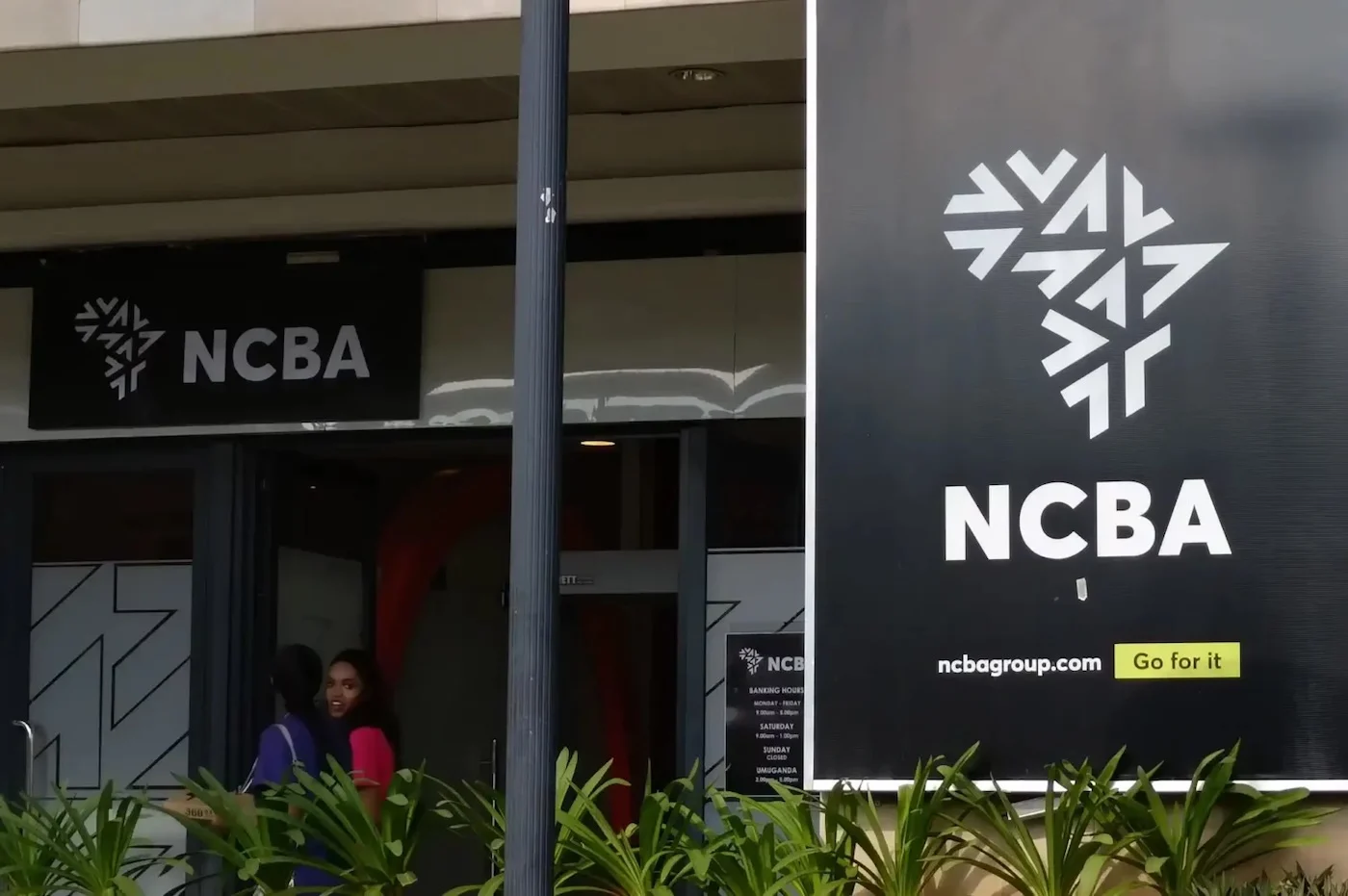
NCBA Group has reported a 12.2 per cent increase in net profit for the first half of 2026, helped by higher lending, strong growth in digital banking and improved earnings from its regional subsidiaries.
The lender posted a profit after tax of Ksh 12.4 billion for the six months ended June, up from Sh11 billion recorded during the same period last year.
The performance was supported by steady growth in its core banking business, with Kenya remaining the biggest contributor to the Group’s earnings. Profit from the Kenyan subsidiary rose by 24.3 per cent to Ksh 13.7 billion after the bank expanded lending while keeping funding costs under control.
Its regional businesses also delivered stronger results. Operations in Uganda, Tanzania and Rwanda generated a combined Sh1.6 billion in profit, driven by a 25 per cent increase in lending, double-digit income growth and improved recovery of non-performing loans.
NCBA also continued to record strong growth in digital lending, reflecting increased demand for mobile credit by individuals and businesses. During the six months, the bank disbursed Ksh 819 billion in digital loans, a 26.9 per cent increase from a year earlier.
Customer deposits increased by 11 per cent to Ksh 551 billion, strengthening the bank’s funding base, while total assets rose by 11.5 per cent to Sh739 billion as lending and other banking activities continued to expand.
Group Managing Director John Gachora said the bank had maintained the quality of its loan book despite economic challenges facing customers and businesses.
“Our balance sheet momentum remained strong, anchored on disciplined growth in quality lending demonstrated by well-managed non-performing loans of 10.5 per cent compared to the market’s 15.3 per cent,” he said.
The bank’s non-performing loan ratio remained below the industry average, highlighting its focus on managing credit risk. NCBA also increased its loan loss provisions to Sh5.2 billion to cushion the business against possible future defaults.
The lender said its strong capital position leaves it well placed to support future growth. It closed the first half with a return on average equity of 19 per cent and a capital adequacy ratio of 21.7 per cent, giving it enough financial strength to continue expanding lending, investing in digital banking and growing its presence across the region.









Leave a comment