NEWS

Ruto Pledges Inclusive Development After Apologising to Northern Kenya

Share
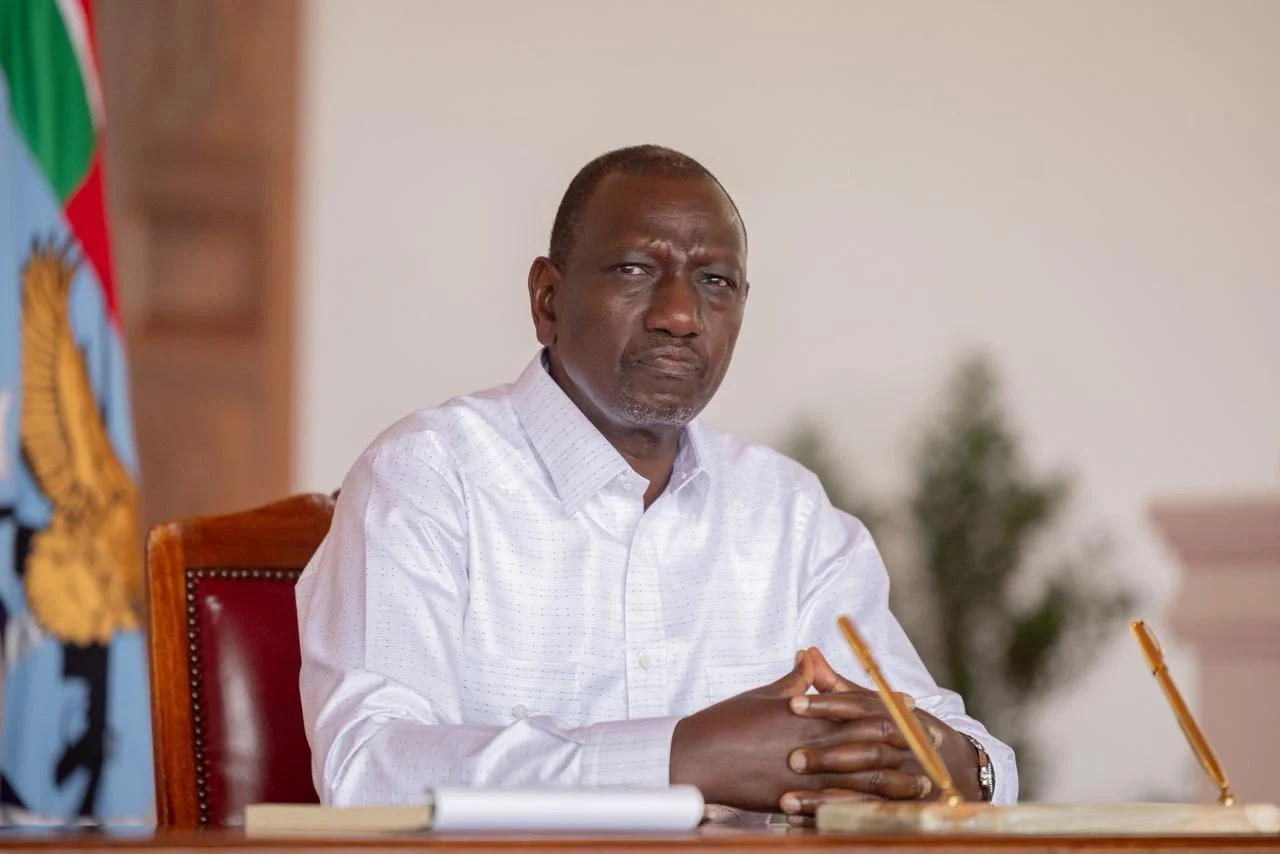
President William Ruto arap
President William Ruto. [Photo/PCS]
Share

President William Ruto used this year’s Madaraka Day celebrations in Wajir County to acknowledge the historical marginalisation of northern Kenya, apologising for decades of exclusion and uneven development that have left the region lagging behind much of the country.

Speaking at the Wajir County Stadium, the President said many communities in northern Kenya had not fully benefited from the promises of independence, despite being an integral part of the nation.

The Head of State said hosting Madaraka Day in Wajir for the first time since Kenya attained self-rule was a deliberate decision aimed at recognising a region that has often been overlooked in national development conversations. He said the move reflected his administration’s commitment to ensuring that no part of the country is left behind.

“Poleni sana ndugu zetu. It was never meant to be this way,” Ruto said, describing the occasion as an emotional moment.

Ruto noted that the celebrations were more than a ceremonial event, arguing that the ideals of freedom, dignity and self-determination should be enjoyed equally by all Kenyans regardless of where they live.

The President also challenged long-standing perceptions that northern Kenya is too remote, too dry or too insecure to warrant major investment, saying such thinking had contributed to decades of underdevelopment.

“For too long some said the region was too difficult, too remote, too dry, and too insecure to deserve any development. That was wrong then, it is wrong now and it will forever remain wrong,” he said.

Northern Kenya, which includes counties such as Wajir, Mandera, Garissa, Marsabit, Turkana and Isiolo, covers a vast portion of Kenya’s territory and borders Ethiopia, Somalia and South Sudan. The region plays a key role in cross-border trade and livestock production but has historically faced significant development challenges.

For decades, residents have grappled with inadequate road networks, limited access to healthcare and education, water scarcity and recurrent droughts. The region was also affected by security concerns and policies dating back to the early years after independence, factors that many leaders and scholars have cited as contributing to its slower pace of development.

In recent years, governments have invested in roads, electricity connectivity, water projects and other infrastructure programmes across northern Kenya. However, development indicators in several counties continue to trail national averages, making the region a focal point in discussions about equity and balanced development.

By bringing the country’s biggest national celebration to Wajir, the government placed a spotlight on both the progress made and the challenges that remain in one of Kenya’s most expansive and historically underserved regions.

Leave a comment

Leave a Reply

Your email address will not be published. Required fields are marked *

PAST ARTICLES AND INSIGHTS

Related Articles
Three escape unhurt after private aircraft crash lands at Maasai Mara airstrip images subject to copyright
NEWS

No Fatalities Reported in Tourist Plane Crash at Maasai Mara Reserve (VIDEO)

A small passenger plane carrying tourists has crashed while landing at Ol...

President William Ruto
NEWS

Ruto Unveils KSh5 Billion Livestock Investment Plan for ASAL Counties

President William Ruto has announced a KSh5 billion livestock investment initiative targeting...

cloud phones
TECHNOLOGY

The Invisible Threat: Why Cloud Phones Are Cybercriminals’ Favourite New Weapon

A new front in the battle against financial fraud is emerging from...

fly748.com targets Kenya’s 2.6 million SACCO members
BUSINESS

Local Airline fly748.com Zeroes in on 2.6 Million Sacco Members

Kenyan airline fly748.com is strengthening its engagement with Kenya’s SACCO movement as...