


The National Transport and Safety Authority (NTSA) plans to license about 70 privately operated vehicle inspection centres across the country as part of reforms aimed at expanding annual vehicle inspections and improving road safety.
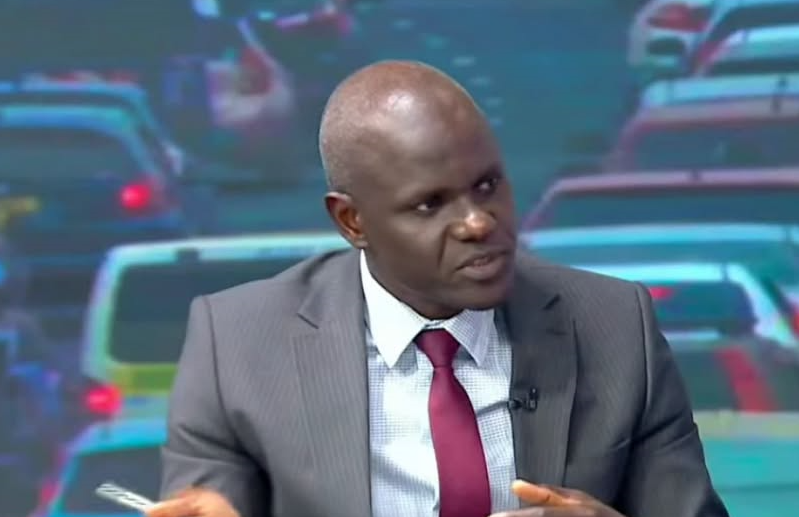
NTSA Director General Nashon Kondiwa said the authority is mapping the country to identify locations for private inspection facilities, with the goal of ensuring every county has at least one centre while adding more facilities along major transport corridors.
“We are mapping out the country for private investors in vehicle inspection centres, ensuring at least one centre in every county, which gives 47, and adding more along key transport corridors from Mombasa to Malaba to create about 10 additional centres. Nairobi and Mombasa will have extra facilities due to high vehicle volumes and logistics importance, bringing the total to about 70 private inspection centres nationwide,” Kondiwa said.
The plan comes as NTSA prepares to implement annual inspections for private vehicles that are more than four years old, a move the authority says is intended to improve the integrity of the national vehicle registry and enhance road safety.
Kondiwa said Kenya currently has only 17 government-owned inspection centres, with plans underway to expand public facilities to all 47 counties. He noted that while private investors may concentrate on high-demand areas, the government remains obligated to provide inspection services nationwide.
“The country has 17 government-owned inspection centres and the intention is to expand to 47 so that every county has at least one public inspection centre,” he said.
He added that NTSA has not yet licensed private inspection centres because the legal framework governing their operations is still being developed.
“The model being developed considers counties, transport activity, population and business concentration, which is why private inspection centres have not yet been licensed as the legal framework is needed to protect investment and justify entry into the sector,” he said.
Kondiwa defended the decision to require inspections for vehicles older than four years, saying the threshold reflects the need for government to periodically verify both the condition of vehicles and the accuracy of the national registry.
“The four-year threshold speaks to the general life cycle of a vehicle and the integrity of the registry because beyond four years the government wants to check whether the vehicle is still alive and still safe for use on the road,” he said.
He said the government currently lacks accurate records of active vehicles because many remain on the register long after they have been scrapped, while others are illegally fitted with registration plates belonging to deregistered vehicles.
“As we speak we do not know the number of vehicles on our roads because once vehicles are registered they are not deregistered when they die, and some people pick number plates of those vehicles and put them on vehicles that are not registered,” he said.
According to Kondiwa, inspections are intended to verify both the physical condition of vehicles and whether their details—including chassis numbers, weight and colour—match NTSA records. The process will also check mechanical components such as brakes, suspension, lighting systems and emissions.
He said inspection data would also support government planning by providing accurate information on the country’s vehicle fleet, including fuel types, while helping address environmental concerns.
“Data such as fuel type is critical for planning and without it we are planning blind,” he said.
Kondiwa noted that although vehicles undergo inspection before registration, their condition changes over time, making periodic roadworthiness checks necessary.
He said private vehicles and motorcycles account for about 62 per cent of road crashes, making vehicle safety a key pillar of efforts to reduce fatalities alongside safer roads, responsible road users and improved post-crash response.
The NTSA chief said modern inspection centres will rely on automated equipment capable of testing roadworthiness and emissions rather than manual visual inspections.
“We also want to test emissions because we do not want inspections done using a torch and manual checks, and air quality remains an important concern,” he said.
Vehicle owners whose vehicles fail inspection will be required to undertake repairs before returning for re-inspection, with NTSA maintaining that roadworthiness can only be confirmed after identified defects have been rectified.
Read: NTSA Clarifies Annual Inspection Directive For Private Cars
>>> NTSA Imposes Two-Year Freeze on New Public Service Vehicle Operators Amid Safety Crisis













Leave a comment