

In the week that S&P Global Ratings raised Kenya’s long-term sovereign credit score from B- to B, yields on Kenya’s Eurobonds eased by an average of 28.19 basis points.
This upgrade signals renewed confidence in Kenya’s economic strength and creditworthiness after several downgrades amid struggles to refinance its first Eurobond in 2024.
The biggest shift happened with the $1 billion 2018 Eurobond. Its return dropped from 7.42 per cent on August 22 to 6.86 per cent, a fall of 0.56 percentage points.
S&P attributed the upgrade to reduced short-term external liquidity risks. It highlighted stronger export earnings and increased diaspora remittances as critical in bolstering foreign exchange reserves and easing pressure from external imbalances.
In early 2025, Kenya also repurchased about $900 million of Eurobonds maturing in 2027, easing upcoming repayment obligations.
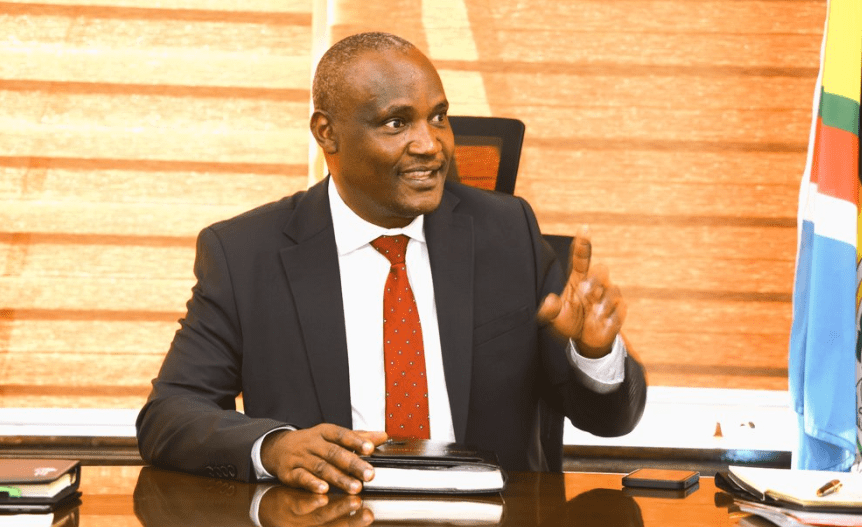
Treasury Secretary John Mbadi told the Star that the improved stability is driven by vibrant export revenues and remittance inflows, which have significantly boosted foreign reserves.
Domestically, bond activity picked up, too. Secondary-market turnover rose 11 per cent to Ksh 66 billion from Ksh 59.3 billion the previous week.
Meanwhile, the Central Bank of Kenya returned to the market with a request for Ksh 60 billion in budgetary support, just one week after raising nearly Ksh 180 billion via a tap sale of an infrastructure bond.
The Treasury bill auction held on August 28 saw strong demand. Bids totalled Ksh 32 billion against the Sh 24 billion on offer, a subscription rate of 133.5 per cent. Yields on the 91-day, 182-day and 364-day instruments remained steady.
The Nairobi Securities Exchange rose across the board during the week ending August 28. NASI climbed 1.88 per cent, NSE 25 gained 1.53 per cent, and NSE 20 jumped 3.89 per cent.
Market capitalisation and total shares traded both increased by 1.88 per cent and 11.5 per cent, respectively, while equity turnover fell by about 25.26 per cent.
NCBA Group stood out as the 26th most traded stock over the past three months at the bourse. The bank announced an interim dividend of Ksh 2.50 per share and posted net earnings of Sh 11.1 billion for the first half of the year, versus Ksh 9.8 billion a year earlier, a 12.6 per cent increase.
Its share price rose nearly two per cent, ending the week at Sh 64.25. NCBA traded 5.22 million shares in 2,305 deals, with a total value of Ksh 319 million. The average daily volume was 82,803 shares, and its highest single-day volume during the period was 559,400 shares, reached on June 4.











its funny though how they are celebrating that we can borrow more instead of solving structural issues like fiscal deficit