

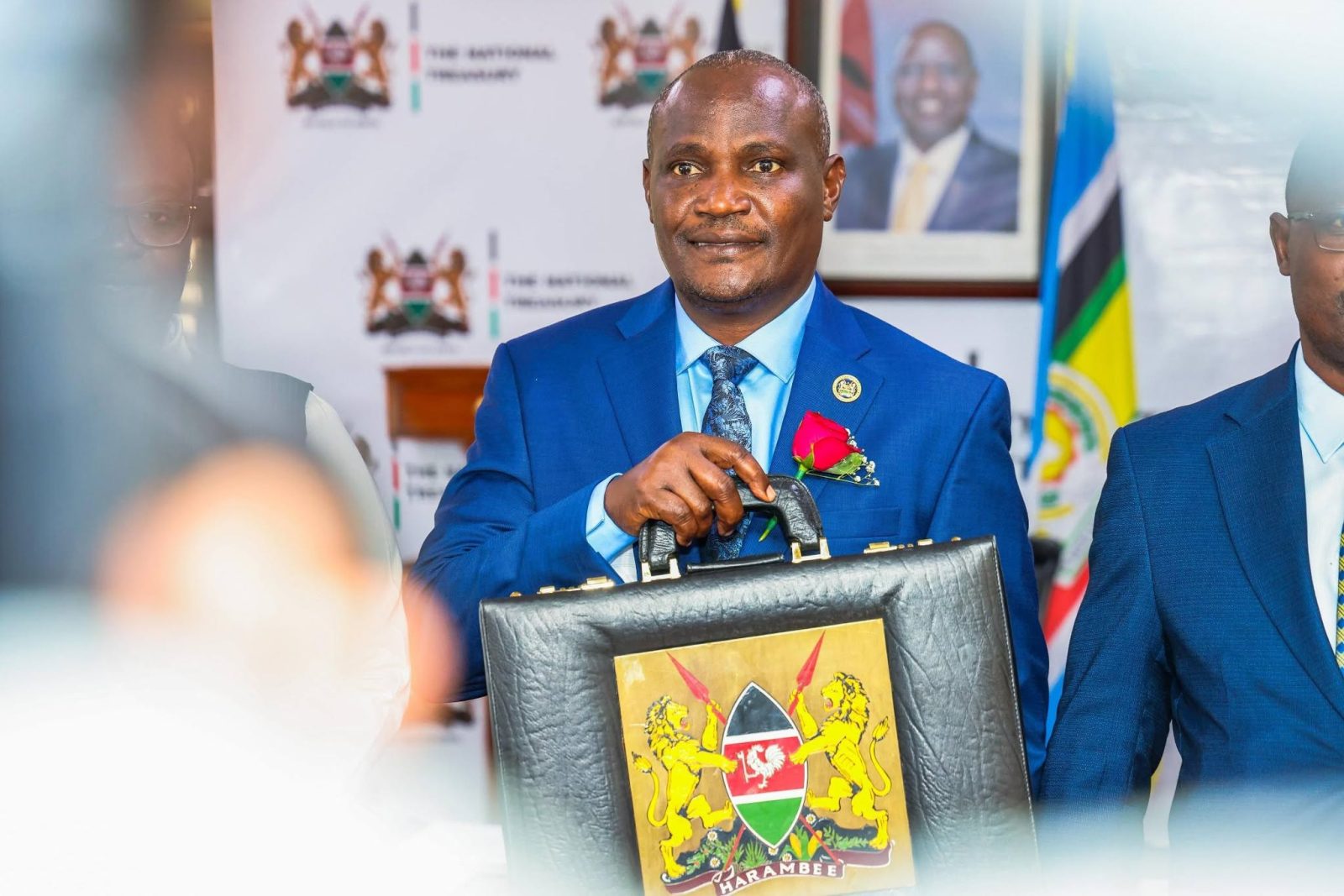
Various groups across the country have welcomed allocations in the 2026/27 national budget, describing them as a positive step toward improving livelihoods, strengthening public services and expanding economic opportunities. However, many have urged the government to ensure funds are disbursed on time and used for their intended purposes.
Among those celebrating the budget are village elders from Mulot in Narok County, who hailed the government’s allocation of KSh13.5 billion towards their welfare as a historic recognition of their role in society.
The elders said that since independence, village elders had never received such consideration from successive governments and thanked President William Ruto’s administration for acknowledging their contribution to community leadership, conflict resolution and grassroots governance.
While welcoming the allocation, they appealed to the government to go a step further by fully covering their healthcare needs under the Social Health Authority (SHA), arguing that comprehensive medical support would significantly improve their welfare and quality of life.
In the education sector, stakeholders expressed optimism following the Treasury’s decision to allocate KSh6.7 billion to settle pending bills and arrears accumulated between 2017 and 2025.
The stakeholders also welcomed the KSh784.5 billion allocated to the Ministry of Education, the largest share of the national budget, which will support the Teachers Service Commission (TSC), basic education, higher education institutions and Technical and Vocational Education and Training (TVET) programmes.
Education sector players said the funding would help strengthen service delivery, improve learning conditions and enhance institutional stability. They nevertheless called on the Treasury to ensure timely release of funds to prevent disruptions that have previously affected schools, colleges and universities.
Meanwhile, residents living along the shores of Lake Victoria praised the government’s allocation of KSh150 million for a public ferry and KSh1 billion for the construction of docks, saying the investment could transform transport and connectivity in island communities.
Residents noted that areas such as Sena and Mfangano islands have long depended on water transport but have faced challenges due to inadequate infrastructure. They said previous administrations had announced similar plans that failed to materialize, but expressed confidence in the current government’s commitment, noting that construction activities are already underway in Kisumu.
They said the improved transport network would boost trade, ease movement of people and goods, and improve access to essential services for communities living on the islands.
In Migori County, young people welcomed the budget while emphasizing the need for transparency and accountability in the utilization of public resources.
The youth said they were encouraged by the government’s commitment to economic growth and development programmes but stressed that allocations would only make a difference if the funds reached intended beneficiaries.
They called on leaders and implementing agencies to guard against corruption and ensure that resources earmarked for youth empowerment, employment and entrepreneurship programmes are used effectively.
The reactions reflect growing public interest in the implementation of the 2026/27 budget, which seeks to balance fiscal discipline with investments in social services, infrastructure and economic development.
As the government moves to implement the spending plan, citizens across different sectors say success will ultimately depend not only on the allocations made but also on accountability, efficiency and timely delivery of promised projects and services.
Read: Deloitte Sees Growth Potential in Kenya’s 2026/27 Budget Despite Debt and Inflation Risks
>>> Kenya’s 2026/27 Budget. How the Pie is Divided









Leave a comment