

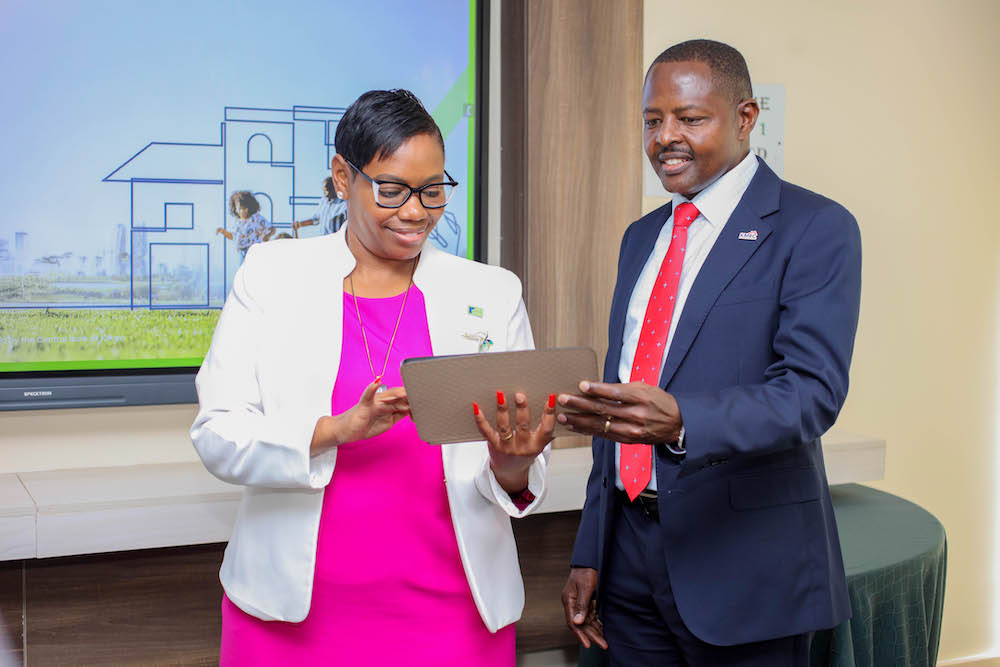
KCB Bank has announced the launch of a transformative mortgage solution designed to unlock home ownership for Kenya’s informal sector.
With a single-digit interest rate, the new offering is tailored to SMEs, artisans, boda boda operators, players in the gig economy, as well as digital content creators whose income streams may be irregular but consistent and have historically faced barriers in accessing mainstream mortgage financing options.
To qualify for the facility, an individual must have operated a business for at least two years. The mortgage loans range from Ksh 1 million to Ksh 4 million, with a maximum repayment maximum period of 15 years.
Speaking during the launch, KCB Bank Kenya Director of Mortgage Business, Ms Caroline Wanjeri, said unlike conventional mortgage products that rely heavily on formal payslips and employer contracts, KCB’s new solution leverages transactional history, mobile money flows, business records, savings patterns, and alternative data to assess affordability and repayment capacity
“For years, Kenya’s mortgage uptake has been concentrated among formally employed and middle to high income earners, a scenario that has kept the mortgage penetration levels at around 3%,” Ms Wanjeri says. “With more than 80% of Kenya’s workforce operating in the informal sector, the new mortgage solution seeks to increase financial inclusion, ease the rigid credit assessment mortgage models and enable an increase in homeownership for Kenyans.”
With an annual urban growth rate of 4.4%, Kenya faces a significant housing backlog that continues to adversely impact the health and well-being of low-income households. Kenya’s Vision 2030 Third Medium Term Plan (MTP III) 2018-2022 highlights affordable housing as a crucial element to the realisation of inclusive growth that is capable of supporting the development of a sustainable future.
The realisation has, however, been hindered by a constrained flow of investment finance to the sector, increased costs of construction for developers, as well as diminished affordability levels for customers throughout the housing and demand value chain. This timely structural intervention will therefore help to unlock the much-needed long-term capital for the ordinary Kenyan to own a home.
> M-Pesa Now Processes Ksh100 Billion Daily, Says Safaricom CEO














Leave a comment