


A vast stretch of once waterlogged land in Homa Bay County is rapidly being transformed into a productive agricultural zone, as a government-backed irrigation scheme breathes new life into rice farming and local livelihoods.
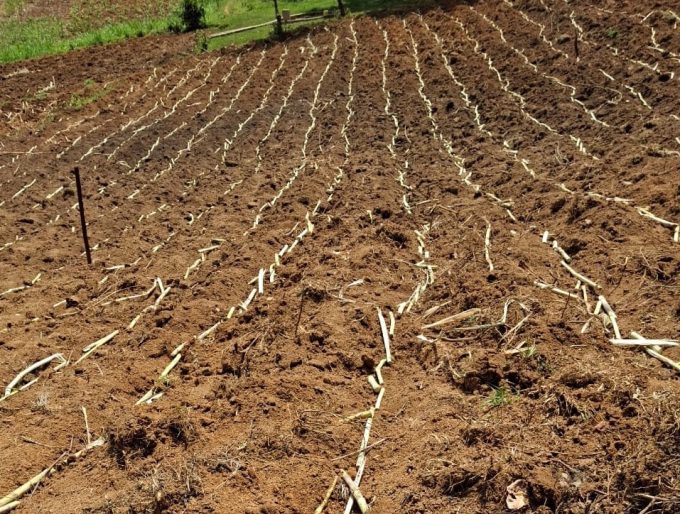
More than 1,500 farmers are now reaping the benefits of the revitalised Kimira Oluch irrigation scheme, which has converted approximately 2,000 acres of swamp into viable farmland. The turnaround began in November 2025, when the Lake Basin Development Authority undertook the rehabilitation of canals across a wider 5,000-acre area.
The upgraded system relies on gravity-fed irrigation, significantly lowering production costs for farmers by eliminating the need for fuel-powered pumps or electricity. This has made rice farming not only more accessible but also more sustainable and profitable for local communities.
Farmers in the region are already shifting from subsistence crops to rice cultivation, encouraged by improved yields and more reliable water supply. Many are also exploring crop diversification, with plans to introduce sunflower and soybean farming alongside rice.
The project comes at a critical time for Kenya’s food security. The country currently produces about 290,000 tonnes of rice annually—far below the national demand of 1.2 million tonnes—forcing heavy reliance on imports. Officials say expanding irrigation schemes such as Kimira Oluch could help bridge this gap and strengthen local production.
Further boosting the initiative is the presence of the Kibuon rice mill in Kisumu, commissioned in 2024 by President William Ruto. The mill provides farmers with a ready market and supports value addition, improving earnings and reducing post-harvest losses.
Authorities now plan to expand irrigation coverage to 10,000 acres, positioning the region as a major food production hub in western Kenya. If successful, the model could be replicated in other parts of the country to unlock agricultural potential and enhance food security.












Leave a comment