

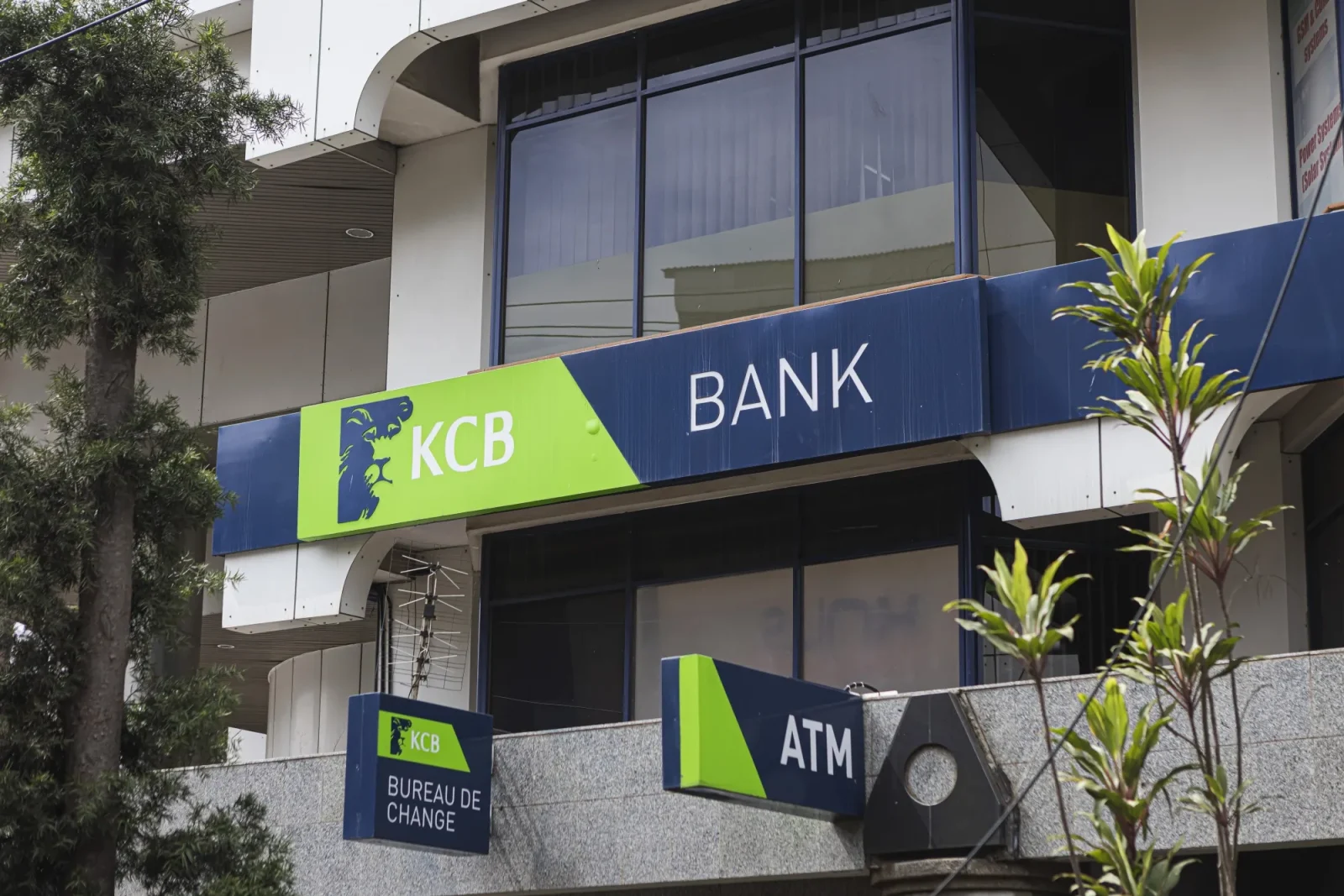
KCB Bank Kenya has changed its mortgage lending model, targeting small businesses and informal sector workers in a bid to grow home ownership in the country.
The lender says it will now assess borrowers using transaction data and financial records instead of relying on payslips, a move that opens the door to traders, artisans, freelancers and gig workers who have long been excluded from mortgage financing.
For years, access to home loans in Kenya has largely depended on formal employment. Without a steady salary and documentation, many potential homeowners have been locked out despite having consistent income from business activities.
KCB says the new approach will look at mobile money transactions, bank statements, savings behaviour and the consistency of cash flow to determine a borrower’s ability to repay.
Caroline Wanjeri, Director of Mortgage Business at KCB, said the shift is meant to address long-standing barriers in the market.
“With more than 80 per cent of Kenya’s workforce operating in the informal sector, the new mortgage solution seeks to increase financial inclusion, ease the rigid credit assessment mortgage models and enable an increase in homeownership for Kenyans,” she said.
The bank’s new strategy is aimed at tapping into this underserved segment, which makes up the majority of the workforce but remains outside the formal credit system.
Wanjeri said the model recognises the role of enterprise in Kenya’s economy.
“This solution acknowledges that Kenya’s economy runs on enterprise. By combining alternative credit assessment and financial discipline we are making mortgage financing accessible by redefining eligibility through consistency in business performance as a credible pathway to dignified home ownership,” she said.
Under the plan, KCB will offer loans ranging from Ksh 1 million to Ksh 4 million, repayable over up to 15 years. The lender says the facilities will come at single-digit interest rates, a move expected to attract more borrowers in the affordable housing segment.
The shift also reflects a broader trend in the banking sector, where lenders are looking for new growth areas as credit uptake slows in traditional segments. By targeting the informal sector, KCB is positioning itself in a market with strong but largely undocumented income streams.
Demand for housing
Demand for housing in Kenya continues to rise, driven by rapid urbanisation estimated at 4.4 per cent annually. This has increased pressure on major towns, where the need for affordable housing remains high.
Institutions such as Kenya Mortgage Refinance Company have been supporting lenders by providing long-term funding to help lower the cost of mortgages. However, uptake has remained slow due to strict eligibility criteria and high borrowing costs.
Government efforts under Kenya Vision 2030 have identified affordable housing as a key pillar for inclusive growth. Even so, challenges such as high construction costs, limited financing options and reduced affordability have slowed progress across the housing value chain.
KCB says its new approach could help bridge the gap by recognising informal income as credible. If successful, it could expand access to mortgages and bring more Kenyans into homeownership, particularly those who have been excluded by traditional lending models.
Kenya’s mortgage uptake remains low, estimated at three per cent, with strict lending conditions and affordability challenges cited as key reasons. Many working Kenyans earn income that is not formally documented, making it difficult to qualify under traditional models.
A joint survey by Zamara, the Centre for Affordable Housing Finance in Africa and Financial Sector Deepening Kenya shows that only four per cent of Kenyans can afford a mortgage of Sh10 million. Out of more than 145,000 pension scheme members surveyed, only 6,146 met the threshold.









Leave a comment