

Inflation rate eased slightly in February 2026, dropping to 4.3 per cent from 4.4 per cent in January, according to the latest Consumer Price Index (CPI) and Inflation Report released by the Kenya National Bureau of Statistics (KNBS).
This means that the general cost of goods and services in February was 4.3 per cent higher than it was in February 2025.
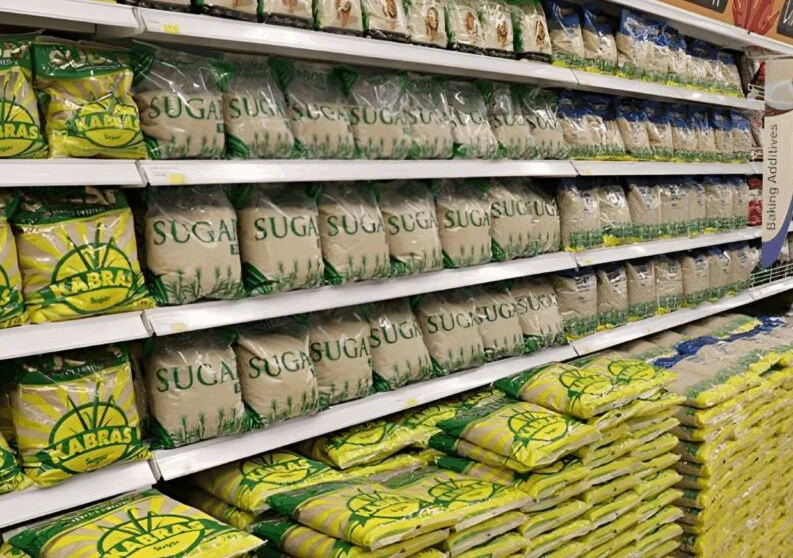
The slight drop was largely driven by lower prices of key household items, particularly food, fuel and electricity. KNBS data shows that between January and February, the price of a one-kilogram packet of sugar fell by 4.4 per cent to Sh166.45 from Sh174.17. A two-kilogram packet of white wheat flour also declined slightly by nearly one per cent to Sh170.75 from Sh172.15.
Fresh produce prices were mixed. The cost of one kilogram of mangoes dropped by 3.2 per cent to Sh144.37, while tomatoes recorded a marginal decline of 0.1 per cent.
The fall in fruit and some vegetable prices helped ease pressure on household food budgets during the month.
Electricity costs also went down. The price of consuming 200 kilowatt-hours (kWh) fell by 2.7 per cent to Ksh 5,564.78, while 50 kWh dropped by 2.9 per cent to Ksh 1,265.96. Fuel prices declined as well, with diesel falling by 2.3 per cent and kerosene by 0.6 per cent. Cooking gas (LPG) prices edged down by 0.4 per cent, contributing to lower household energy expenses.
However, some basic food items became more expensive. A kilogram of Irish potatoes rose by four per cent to Ksh 102.16. Cabbages increased by four per cent to Sh74.33, while kale, commonly known as sukuma wiki, went up by 2.4 per cent to Ksh 104.90. These increases partly offset the gains from falling prices in other categories.
According to KNBS, food and non-alcoholic beverages remain the biggest contributors to overall inflation because they take up a large share of household spending. Transport and housing, water, electricity, gas and other fuels are also key components in the inflation basket.
In January 2026, inflation had slowed slightly to 4.4 per cent from 4.5 per cent in December 2025, showing a gradual moderation in price pressures at the start of the year. The February figure of 4.3 per cent keeps inflation within the Central Bank of Kenya’s target range of 2.5 per cent to 7.5 per cent.
While the latest data offers some relief to consumers, especially on sugar, flour, electricity and fuel, the rise in prices of some vegetables shows that cost pressures remain in parts of the market.













Leave a comment