

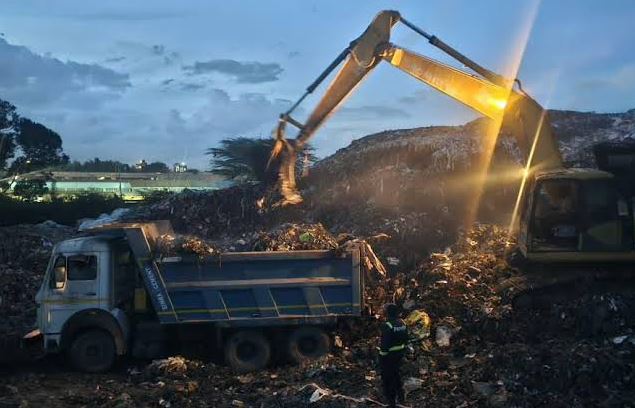
The European Union (EU) and civil society organisations are urging county governments to recognise informal water and waste operators as partners in service delivery, arguing that affordable licensing and better access to business opportunities could help improve essential services in underserved communities.
The organisations want informal businesses involved in county planning, budgeting and climate action, rather than being treated only as unregulated operators. They also want governments to establish partnerships that allow these enterprises to work alongside formal water utilities and waste management companies.
Speaking during the Kenya Sustainable Water and Waste Management Policy Forum, the EU delegation and partners implementing the Strengthening Civil Society Engagement for a Just and Sustainable Urbanisation (SCEJU) project said formalisation should create opportunities for small businesses to grow while improving access to safe water and effective waste collection.
“Informal actors are not a problem to be managed. They are partners in the solution,” said Thomas Yatich of the Delegation of the European Union to Kenya.
The organisations called for dialogue platforms where informal operators can contribute to policymaking and develop the skills needed to work with government agencies and private companies.
County governments urged to lower licensing costs
Informal operators play an important role in water distribution, waste collection, recycling and other services, particularly in urban settlements where formal infrastructure may not adequately meet residents’ needs.
However, high licensing costs and limited access to finance, technology, and formal markets can make it difficult for small enterprises to expand.
The forum is drawing on evidence from Kisumu, Nakuru and Makueni counties to develop recommendations for national and county governments. Discussions include how informal businesses can participate in policy development and benefit from public-private partnerships.
Participants are also examining delegated water management models and opportunities for waste operators to establish businesses linked to Material Recovery Facilities, where recyclable materials can be sorted and recovered.
Project supports thousands of informal operators
The SCEJU project reports training 9,139 informal water and waste actors and equipping 268 trainers across Kisumu, Nakuru and Makueni.
It has also supported six community enterprises, including smart water kiosks, a Material Recovery Facility and digital waste-trading platforms.
Women account for between 55 and 60 per cent of informal waste actors trained under the programme, according to project figures.
The organisations say recognising these businesses could help them access funding, technology and commercial opportunities while strengthening local service delivery.
The forum is expected to produce policy recommendations, a partnership framework for informal enterprise development and commitments from participating stakeholders.
The EU and its partners are also advocating for informal operators to be included in monitoring Kenya’s climate commitments, including its Nationally Determined Contribution on water and waste management.









Leave a comment