

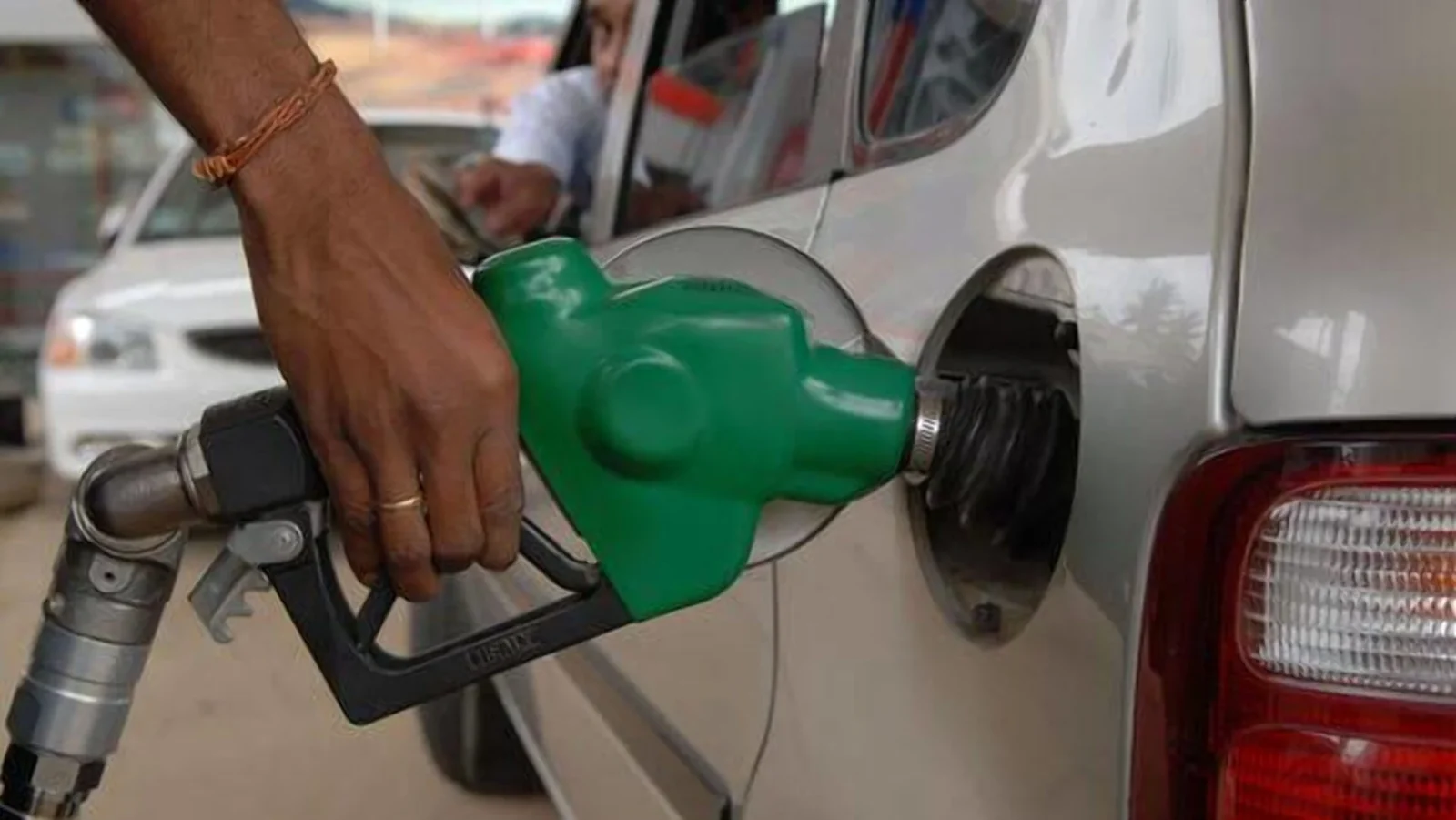
Kenyans will pay more for fuel from Thursday, October 15, after the Energy and Petroleum Regulatory Authority (EPRA) raised pump prices for petrol, diesel and kerosene for the next month.
The latest review will see super petrol increase by Ksh 12.93 per litre, diesel by Ksh9.90 and kerosene by Ksh28.49, with the new rates remaining in force until November 14, 2026.
In Nairobi, super petrol will retail at a maximum of Ksh 226.96 per litre, while diesel will cost Ksh 227.76 and kerosene Ksh 219.87.
In Mombasa, motorists will pay Ksh 223.81 for super petrol, Ksh 224.61 for diesel and Ksh 216.71 for kerosene. The prices vary across the country depending on transportation and distribution costs.
EPRA Director General Edward Mwirigi Kinyua attributed the increases to rising international petroleum prices, which have raised the cost of importing refined fuel into Kenya.
According to EPRA, the average landed cost of imported super petrol rose by 11.81 per cent, from US$874.26 per cubic metre in August to US$977.55 in September.
Diesel recorded an 11.32 per cent increase, rising from US$957.05 to US$1,065.38 per cubic metre. Kerosene’s landed cost increased by 9.41 per cent, from US$1,003.87 to US$1,098.31 over the same period.
Kinyua described September as the worst month since the Middle East crisis began, citing the sharp rise in international fuel costs. He also noted that super petrol prices had climbed to approximately US$1,300 per metric tonne, compared with a previous baseline of about US$600.
The increases could affect transport fares, food prices and the cost of moving goods, as businesses contend with higher fuel expenses. Diesel is widely used by trucks, public service vehicles and other commercial transport operators, while kerosene remains important for households that use it for cooking and lighting.
Tax relief and price stabilisation
The government has maintained a reduced eight per cent value-added tax on petroleum products, down from 16 per cent. The measure, introduced in April 2026, has been extended to January 14, 2027.
EPRA also reported that Ksh 29.4 billion was used from the Petroleum Development Levy Fund during the 2025/26 financial year to support fuel price stabilisation.
However, the latest review reflects the pressure from rising import costs, leaving households and businesses to adjust to higher fuel expenses.
The new prices are maximum retail rates, meaning fuel stations cannot charge above the prescribed limits during the review period.











Leave a comment