

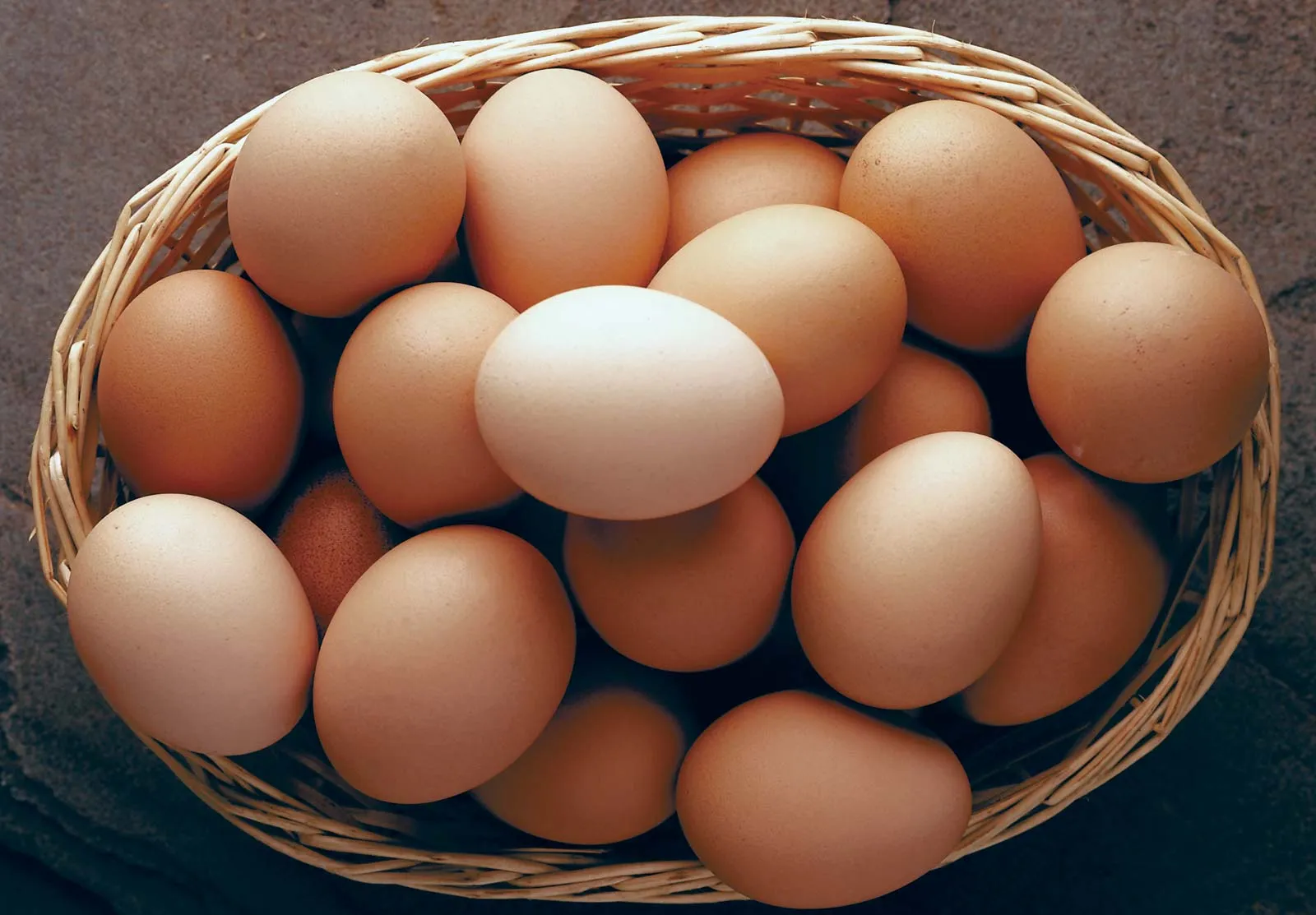
A range of plant- and animal-based options—from legumes to lean meats—offer greater protein density than eggs, reflecting shifting dietary preferences toward variety and nutrient efficiency
A single egg delivers about 6 grams of protein, but a growing body of nutrition guidance points to a broader mix of foods that provide higher protein concentrations per 100 grams, alongside additional micronutrients. Dietitians say diversification—rather than reliance on a single staple—has become central to meeting protein needs as consumers prioritize both health outcomes and flexibility in meal planning.
Among animal-based options, lean pork and beef provide roughly 20 to 30 grams of protein per serving, while seafood such as cod and shrimp delivers comparable levels with lower fat content. Poultry, particularly chicken and turkey breast, remains one of the most protein-efficient sources, offering upwards of 30 grams per 100 grams.
Plant-based alternatives are also gaining ground. Soy-derived products including tofu and tempeh can supply around 20 grams of protein per serving, with the added benefit of containing all essential amino acids. Legumes such as chickpeas and lupin beans, as well as edamame, are increasingly cited by nutrition experts for combining protein with fiber and minerals that support metabolic health.
Dairy and dairy-adjacent products further expand the category. Parmesan and nonfat mozzarella rank among the most protein-dense cheeses, while Greek yogurt and cottage cheese offer moderate levels alongside probiotics and calcium.
Seeds and grains—including pumpkin seeds and quinoa—round out the list, contributing not only protein but also healthy fats, magnesium, and other nutrients. Nutrition specialists note that factors such as digestibility, amino acid profile, and overall dietary balance are as important as protein totals when evaluating food quality.
The shift reflects a broader trend toward varied protein sourcing, particularly as consumers adopt flexitarian or plant-forward diets without fully eliminating animal products.
















Leave a comment