

The government’s plan to reduce its shareholding in Safaricom has received a major boost after the Court of Appeal lifted orders that had temporarily halted the multi-billion-shilling transaction, clearing the way for the sale of a 15 per cent stake to South Africa’s Vodacom Group.
The ruling removes one of the biggest legal obstacles that had delayed what is expected to be one of Kenya’s largest corporate transactions in recent years. The government intends to use the proceeds from the deal to capitalise the National Infrastructure Fund and the Sovereign Wealth Fund, as it seeks alternative ways to finance development projects without increasing borrowing.
The proposed transaction has been at the centre of an intense legal and political debate since it was unveiled earlier this year. While the State has maintained that the sale is necessary to unlock capital for infrastructure investment, critics have questioned whether the disposal of one of Kenya’s most profitable public assets serves the country’s long-term interests.
The latest decision by the appellate court effectively suspends the conservatory orders issued by the High Court, allowing the government to continue implementing the transaction while the constitutional petitions challenging the sale are heard.
The dispute first reached the courts in March after petitioners Fredrick Ogola and Tony Gachoka filed a constitutional case seeking to stop the transaction. They argued that the proposed sale raised serious concerns over public participation, the protection of sensitive data handled by Safaricom, national security and compliance with constitutional requirements.
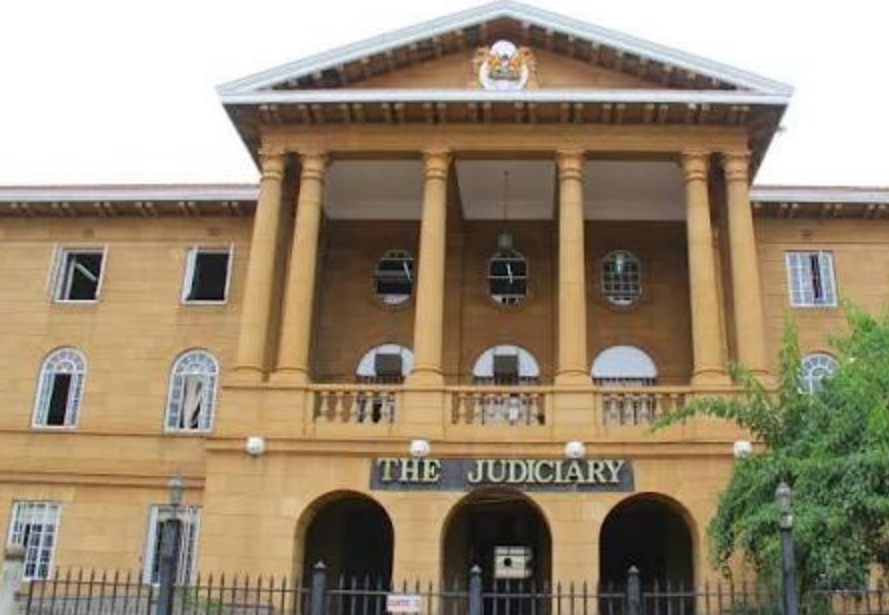
High Court
High Court Judge Lawrence Mugambi initially granted temporary conservatory orders, preventing the government from proceeding with the sale pending further directions.
The legal battle later widened after former Vice President Kalonzo Musyoka filed a separate petition challenging the proposed divestiture on constitutional grounds. The cases were subsequently consolidated before a three-judge bench comprising Justices Francis Gikonyo, Roselyne Aburili and Tabitha Ouya.
In May, the judges extended the suspension of the transaction, saying the constitutional questions raised required full determination before the sale could proceed.
“In a sector touching communications, financial transactions as well as personal data of millions of Kenyans, this Court cannot lightly assume that a reversal at a later date would sufficiently restore the position,” the judges said while explaining why they had preserved the status quo.
Parliament
Despite the court challenges, Parliament endorsed the government’s proposal in March after considering Sessional Paper No. 3 of 2025 on the partial divestiture of Safaricom. Members of the National Assembly approved the sale under Section 87A of the Public Finance Management Act, paving the way for the National Treasury to complete the transaction once all regulatory approvals had been obtained.
As part of its approval, Parliament attached several conditions to safeguard public interest. Lawmakers directed that the transaction be executed through the Nairobi Securities Exchange’s Block Trade Platform to enhance transparency. They also required that proceeds from the sale be paid into the National Infrastructure Fund, while an upfront payment in lieu of future dividends would provide immediate funding for government programmes. MPs further insisted that existing Safaricom employees should not lose their jobs as a result of the acquisition and sought assurances that the company’s social impact initiatives, including the Safaricom Foundation and M-Pesa Foundation, would continue uninterrupted.

Under the proposed transaction, the government will reduce its stake in Safaricom from 35 per cent to 20 per cent, while Vodacom will increase its ownership, strengthening its position as the company’s largest shareholder. The remaining government stake will continue to be held as a strategic investment.
The National Treasury has defended the sale, arguing that the funds will be invested in critical infrastructure projects rather than used for recurrent expenditure. Officials have maintained that the move is part of a broader strategy to mobilise private capital for roads, energy, irrigation and other development priorities while easing pressure on public borrowing.
Even with the Court of Appeal’s decision, the constitutional petitions challenging the transaction remain before the High Court. The substantive hearing is expected to determine whether the government complied with constitutional requirements on public participation, transparency and the protection of strategic national assets before approving the partial sale of its stake in Safaricom.











Leave a comment