


The Central Bank of Kenya (CBK) has projected that inflation will remain steady at 5.25 per cent until the end of the current economic cycle, maintaining the figure below the midpoint of its target range.
In its latest Monetary Policy Committee (MPC) report, the bank attributed the stable outlook to steady prices of essential commodities and a resilient shilling.
The committee also expects global inflation to decline in 2026, driven by lower fuel prices and slowing global demand.
The MPC noted that Kenya’s economy has remained resilient, supported by recovery in the industrial sector and consistent growth in agriculture during the second quarter of 2025. This momentum, the report says, will help sustain stability through the coming year.
At the same time, the bank announced a 25 basis-point cut in the Central Bank Rate (CBR) to 9.25 per cent from 9.50 per cent. The decision, the MPC said, is aimed at stimulating lending and encouraging private-sector investment as the economy transitions into 2026.
“The reduction in the policy rate is expected to influence commercial banks to adjust their lending rates, supporting access to credit for households and businesses,” the report stated.
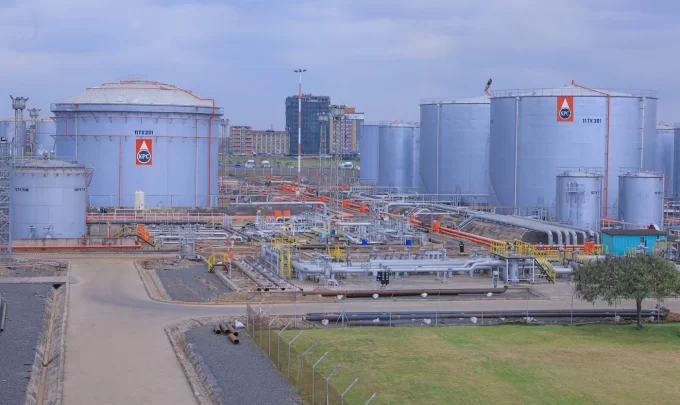
Ahead of the upcoming fuel price review by the Energy and Petroleum Regulatory Authority (EPRA), the committee observed that global oil prices have moderated, largely due to increased production by OPEC countries. The report, however, warned that geopolitical tensions in the Middle East and the war in Ukraine could disrupt the current balance and push prices upward.
Food prices have also played a major role in maintaining inflation stability. The MPC highlighted that prices of cereals and wheat have remained moderate, supported by adequate global supplies and subdued import demand. Sugar prices have similarly stabilised, backed by high production in Brazil and favourable harvests in India and Pakistan.
The MPC further noted that diaspora remittances have continued to grow despite global uncertainties. It attributed this to a wider diversity of source countries and the government’s ongoing policies promoting skilled labour exports.
Kenya’s Gross Domestic Product (GDP) is expected to expand by 5.2 per cent in 2025 and 5.5 per cent in 2026, assuming sustained investment and continued strength in agriculture. The report credited these projections to robust policy measures and a supportive macroeconomic environment.
With inflation contained and growth prospects improving, the CBK expressed confidence that the country’s economy remains on a stable trajectory, even amid external pressures affecting global markets.











Leave a comment