

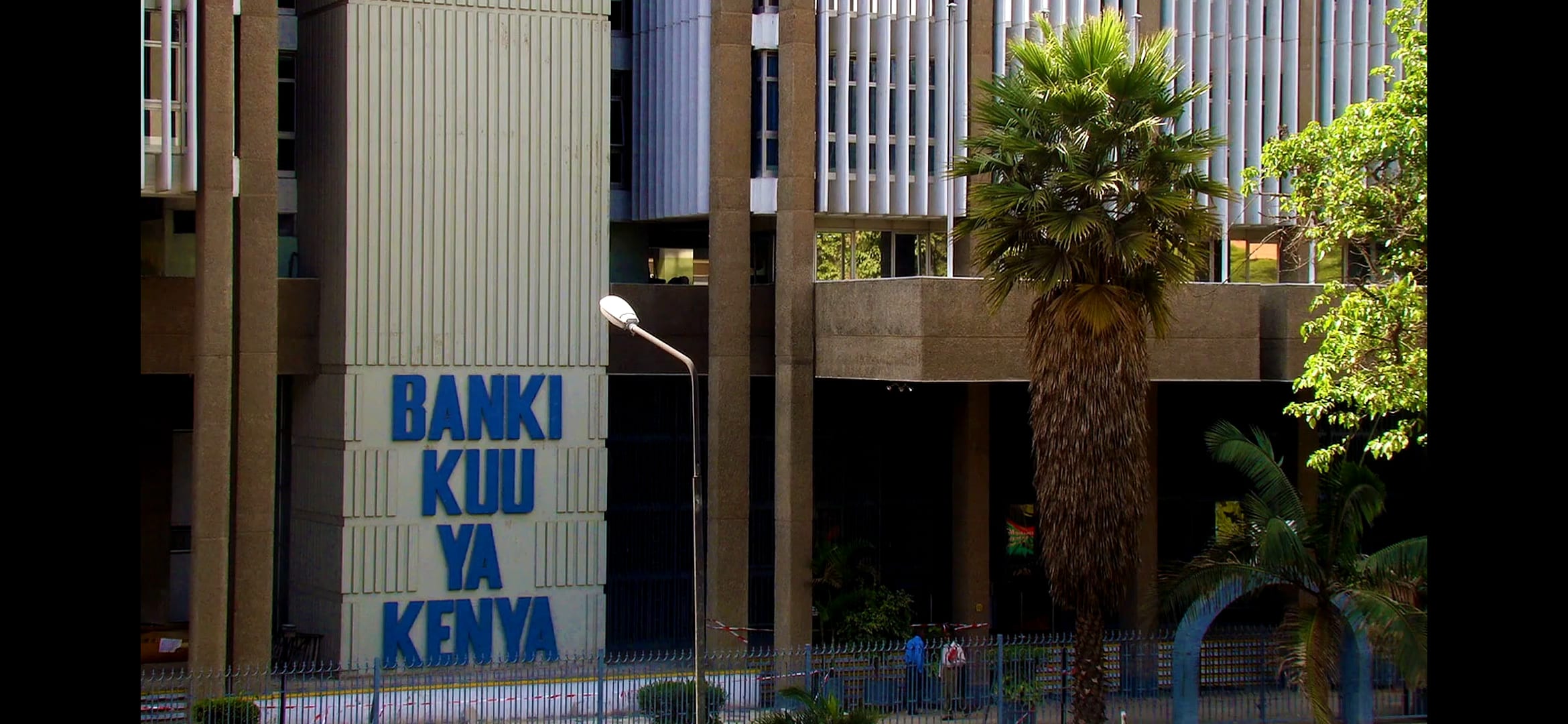
CBK (Central Bank of Kenya) held the Central Bank Rate(CBR) at 8.75%, the third consecutive time that it has done so. The CBR is the benchmark used by commercial banks to price their loans to customers. Leaving this rate untouched, or adjusting it up or down, eventually shows up in the cost of credit.
Since monetary policy tools works with a lag, the impact of Monetary Policy Committee’s previous 10 rate cuts is still filtering through Kenya’s economy, making an immediate reversal potentially premature.
Further, when oil prices rise because of supply or geopolitical shocks, raising the CBR does little to bring fuel prices down, but can weaken credit, investment and economic activity.
While CBK held the CBR at 8.75%, the bigger concern now is second-round inflation. This will be triggered by a rise in crude oil prices, affecting local fuel prices, transport costs as well as a spike in food prices.
The July 15.6% transport inflation and 9.0% food inflation are therefore signals worth watching.
According to analysts, a CRB rate hold ensures that short-term government paper still offers a positive approximate real return while inflation remains around 6.5%.
But continued fuel-driven inflation will gradually erode real returns on cash and fixed-income instruments.
All five economists surveyed by Bloomberg expected the hold. CBK Governor Kamau Thugge said the goal is to ensure that inflation expectations remain anchored within the target range, and the exchange rate remains stable. However, this outlook hinges on what happens with the ongoing Middle East conflict.
While the MPC said it will keep tracking oil prices and any knock-on effects on inflation, along with other shifts in the global and domestic economy, it is prepared to intervene if there is need.
If the Middle East war cools down, inflation should behave. If not, the CBK’s plan may have to change.
The July inflation figures are already showing signs of an overheating economy. Consumer prices rose 6.5% in July, a slight increase from 6.4% in June, as war-driven fuel costs crept into food and transport prices.
At 6.5%, inflation is still within the CBK sights and target range. But this rate is closer to the upper limit that the middle.









Leave a comment