

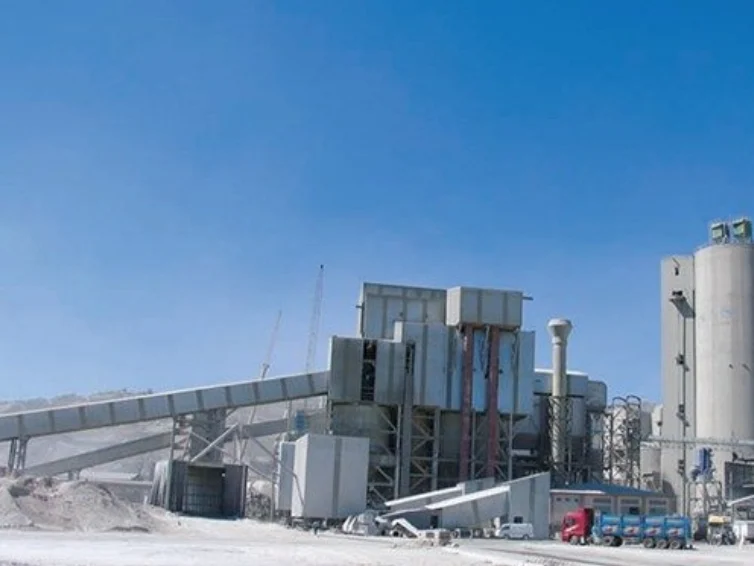
Eight years after it was placed under administration, ARM Cement Limited is preparing to formally close its business as liquidators work to resolve outstanding obligations and disputes.
In their latest report to creditors, joint administrators Muniu Thoithi and George Weru said the final phase of the process will focus on clearing outstanding issues, settling verified claims and shutting down subsidiaries linked to the collapsed cement maker.
The company, which was once listed on the Nairobi Securities Exchange, ran into financial distress in 2018 after years of expansion financed largely through borrowing.
It was placed under administration with debts of about Sh20 billion. That figure has since reduced to Sh11.8 billion, according to the administrators.
A key issue still holding up the conclusion of the liquidation in Kenya is a tax dispute with the Kenya Revenue Authority (KRA).
“In this regard, the liquidators will be engaging KRA with a view to adjudicating upon and ultimately settling the dividends due in respect of these liabilities. We expect to resolve this matter by June 2026,” the report said.
The administrators explained that once the engagement with KRA is completed, they will seek confirmation that all tax matters, both before and after the company entered administration, have been fully resolved in line with insolvency laws. They noted that most of the tax issues have already been addressed and do not expect major changes to the current tax position.
Unresolved matters
Beyond Kenya, tax claims are also pending in Tanzania and Rwanda. The administrators cited unresolved matters with the Tanzania Revenue Authority and the Rwanda Revenue Authority, mainly linked to the disposal of assets, including those of Kigali Cement Company Limited.
They said the ARM Tanzania transaction is expected to be concluded in the first half of 2026, once the issue with the Tanzania Revenue Authority is settled. However, they cautioned that the liquidation of the Tanzanian unit is unlikely to produce a significant surplus for the parent company.
Creditors have already received partial payments.
“As of the date of this report, dividends distributed to unsecured creditors of the Company amount to 7.61 per cent recovery in relation to their reviewed claims,” the administrators said.
They warned that, after substantial use of the realised funds, unsecured creditors should not expect meaningful additional payouts. Only small residual amounts, if any, may be available once operational and legal costs are fully cleared.
At its peak, ARM Cement was one of the region’s recognised cement brands, operating plants in Kenya and Tanzania and expanding into Rwanda. However, mounting debt, pressure from competitors and cash flow constraints pushed the company into insolvency, marking one of the most notable corporate failures in Kenya’s construction sector.
With the wind-up now in its final stages, creditors are looking to mid-2026 for closure of the long-running process.









Leave a comment