

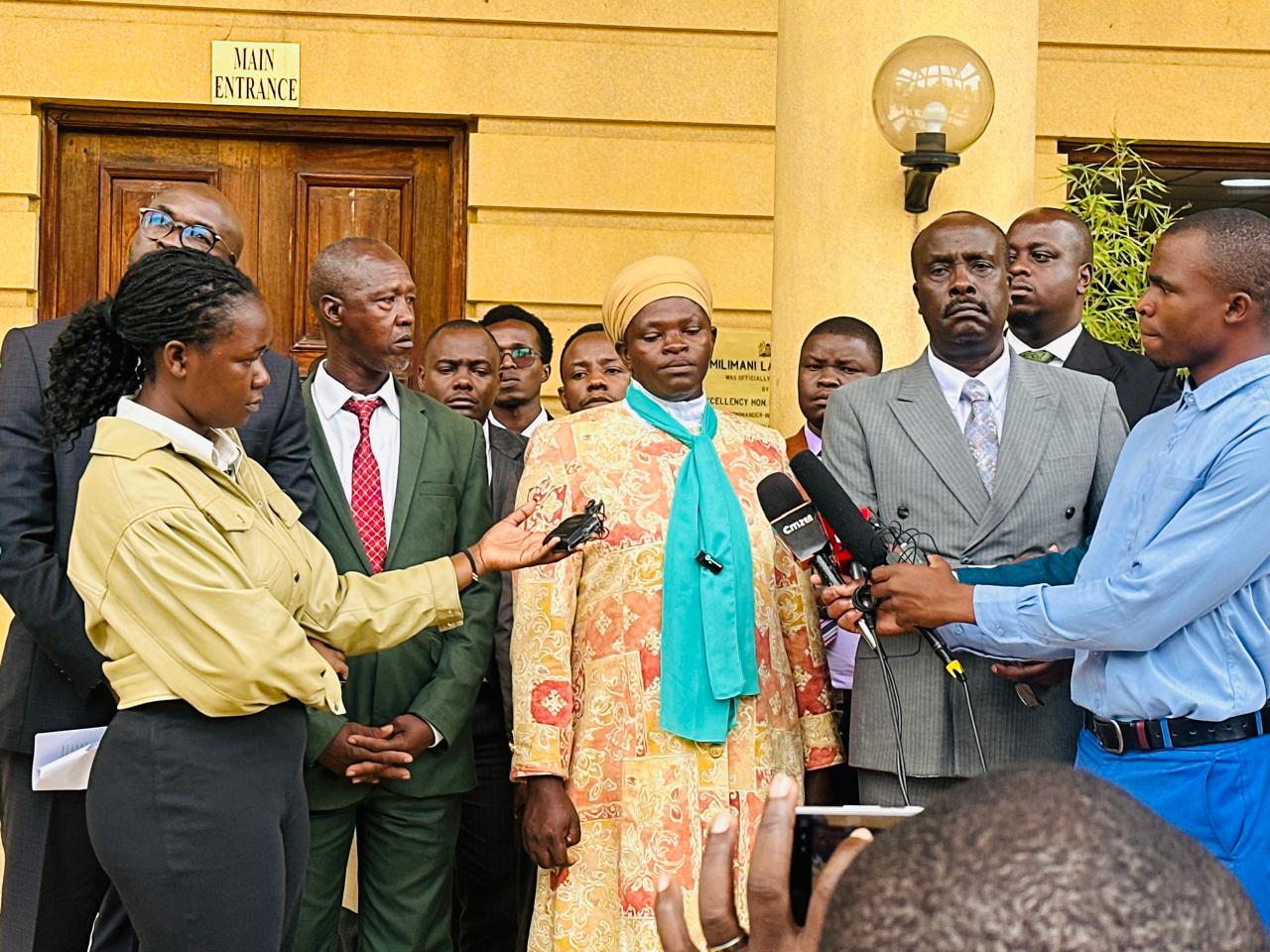
Millicent Awino, a follower of the controversial preacher Prophet Dr David Owuor, has launched a legal challenge against the Kenya Medical Research Institute (KEMRI), demanding it retract conclusions that she was never HIV-positive despite years of treatment in the country’s public health system.
The institute’s assessment concluded there was no evidence that Awino had ever been HIV-positive, despite her enrollment in the public health system’s antiretroviral therapy program since 2023.
Through lawyers Danstan Omari, Cliff Ombeta and Stanley Kinyanjui, Awino has issued a formal demand for the immediate withdrawal of a KEMRI letter dated April 20, 2026, saying she was first diagnosed with HIV in September 2023 at a government health facility following symptoms consistent with the infection.
A confirmatory test at a second site supported the diagnosis, leading to her registration in Kenya’s Comprehensive Care Clinic program and the start of antiretroviral treatment in line with national health protocols.
Records, including her clinic card and entries in the Taifa Care digital system, document ongoing monitoring and treatment as a confirmed HIV patient.
The situation however shifted in late 2024 after Awino participated remotely in a televised religious crusade led by Prophet Dr Owuor in Menengai, Nakuru. Awino has described placing her HIV clinic card on the television screen during prayers and experiencing what she interpreted as a moment of healing.
Subsequent tests at multiple facilities in the country, including one in February 2025 and a viral load test in September 2025, returned negative or undetectable results. Those outcomes triggered referrals to higher authorities, including the National AIDS and STI Control Programme (NASCOP), which authorized further investigation.
Tests supervised by KEMRI in early 2026 yielded inconclusive results initially, with Awino recalled for additional sampling. KEMRI’s final determination—that there was no laboratory evidence of prior HIV infection—forms the basis of the current challenge.
Awino’s legal team argues that KEMRI’s conclusion conflicts with the country’s HIV Testing Services Guidelines, which require dual positive confirmatory tests before initiating lifelong antiretroviral therapy.
The lawyers contend the discrepancy points to possible systemic issues in testing accuracy, record-keeping or laboratory processes.
The demand letter also seeks clarification from the Ministry of Health on the reliability of the national HIV diagnostic framework.













Leave a comment