

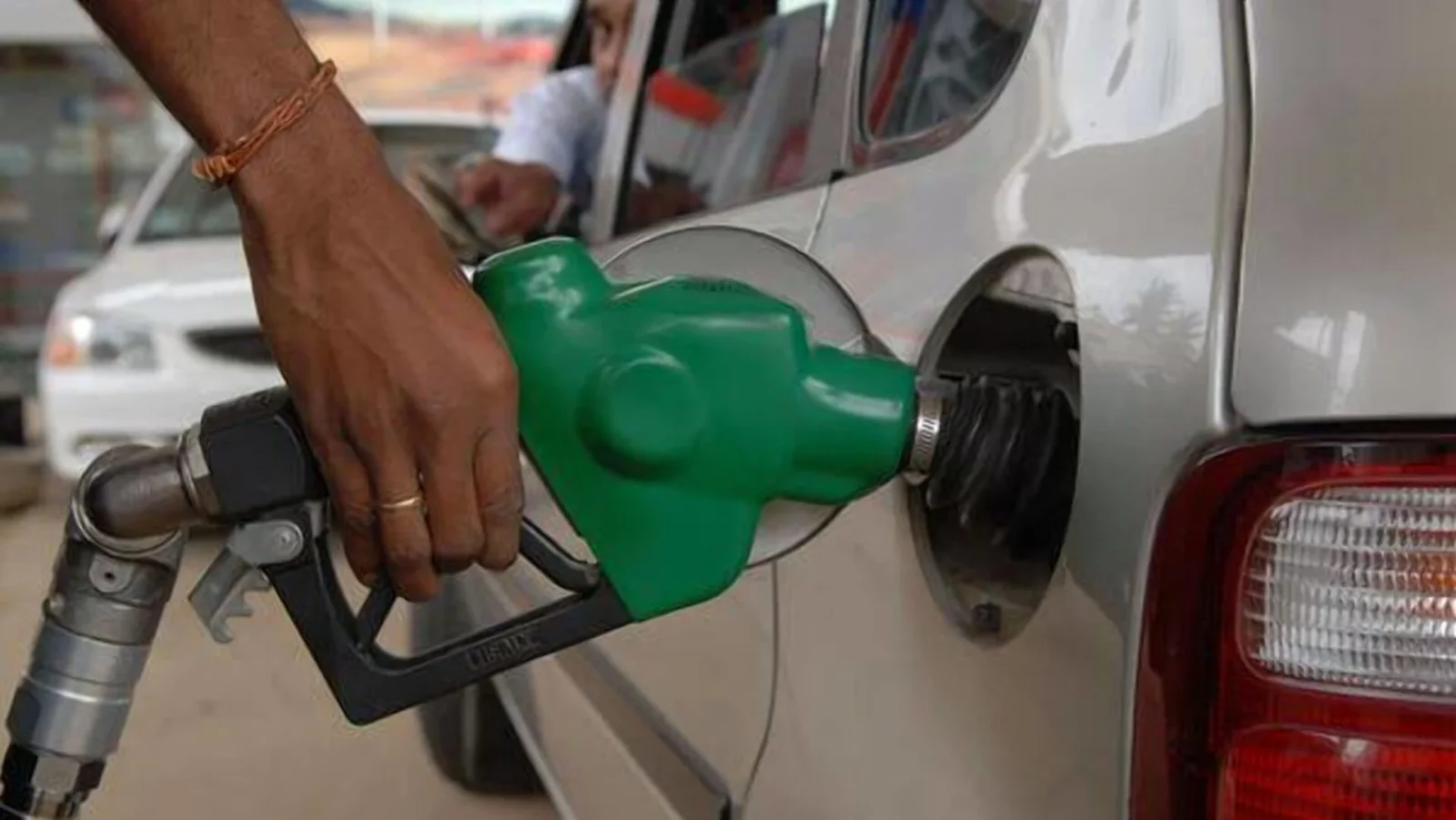
Rwanda has overtaken Kenya to become the most expensive petrol market in East Africa following the latest fuel price adjustments across the region, highlighting growing pricing pressure in import-dependent economies.
A comparative analysis of May 2026 fuel prices shows petrol prices in Rwanda surged from Ksh203.09 to Ksh259.09 per litre, the highest in the region and well above Kenya’s Ksh214.25 per litre.
Kenya now ranks as the second most expensive petrol market in East Africa, ahead of Tanzania, Burundi, Uganda and Ethiopia.
The comparison reflects widening differences in fuel pricing policies, taxation structures and currency pressures among East African economies as governments respond to global oil market volatility.
Tanzania recorded petrol prices of Ksh204.67 per litre, while Uganda’s prices declined from Ksh184.55 to Ksh179.74 per litre. Burundi stood at Ksh178.50, with Ethiopia remaining the cheapest market at Ksh137.52 per litre.
According to the analysis, Rwanda’s sharp increase signals sustained upward pressure in import-dependent economies where taxation and exposure to foreign exchange fluctuations remain high.
The findings also place renewed attention on the rising cost of fuel across East Africa and its potential impact on inflation, transport and household spending.
In Kenya, the latest fuel review has already triggered threats of nationwide transport strikes and fare hikes by matatu operators, who say the rising cost of petroleum products is making operations increasingly unsustainable.
Although Rwanda now has the region’s most expensive petrol, Kenya continues to carry the burden of the highest diesel prices in East Africa at Ksh242.92 per litre.
Diesel remains a key driver of economic activity because it powers transport, logistics, manufacturing and agriculture, meaning higher prices often translate into broader inflationary pressure.
Meanwhile, Ethiopia’s position as the region’s cheapest fuel market has been attributed to state-controlled pricing mechanisms, subsidies and tighter foreign exchange regulation that shield domestic consumers from global oil shocks.
The report suggests that East Africa’s fuel landscape is increasingly diverging, with some countries absorbing costs through subsidies and regulation while others pass global pricing pressures directly to consumers.
For consumers and businesses, the shifts are expected to shape transport costs, trade competitiveness and the overall cost of living across the region in the coming months.
Here’s a full comparison of fuel prices in East Africa:
| Country | Petrol Previous | Petrol
New |
Diesel Previous | Diesel
New |
Kerosene Previous | Kerosene
New |
| Kenya | 206.97 | 214.25 | 206.84 | 242.92 | 152.78 | 152.78 |
| Uganda | 184.55 | 179.74 | 174.10 | 174.37 | 170 | 179 |
| Tanzania | 189.81 | 204.67 | 189.11 | 211.34 | 184.55 | 232.68 |
| Rwanda | 203.09 | 259.09 | 194.45 | 194.70 | 190 | 200 |
| Burundi | 171.33 | 178.50 | 168.12 | 175.20 | 165 | 175 |
| Ethiopia | 117.00 | 137.52 | 134.81 | 148.16 | 110 | 125 |
Read: Economist Edwin Kinyua Explains Fuel Prices Changes Under G2G Framework
>>> Pain at the Pump as Diesel increases by Ksh 40.30, Petrol by Ksh 28.69 in New EPRA Review













Leave a comment