

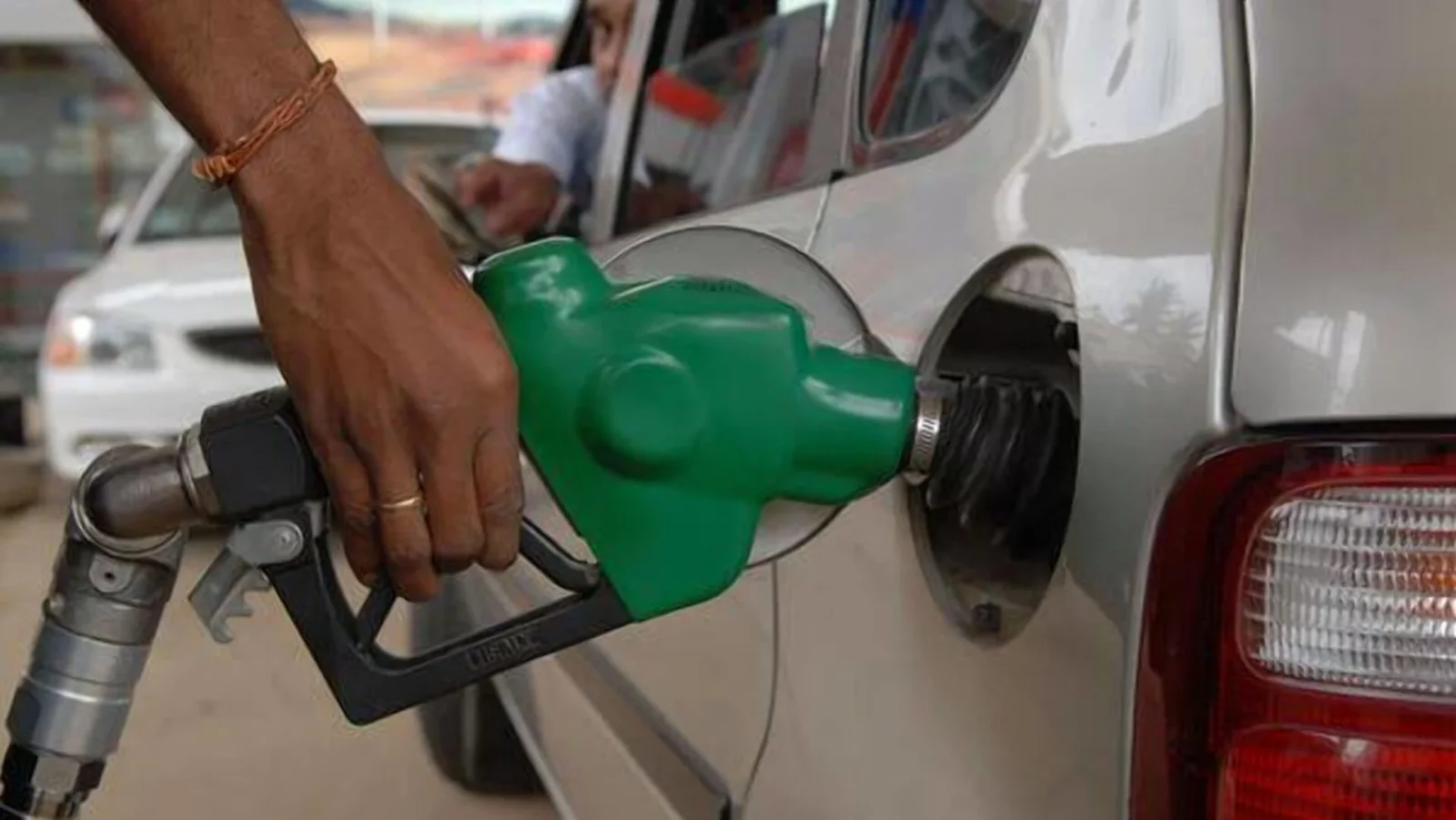
Fuel prices in Kenya have dipped slightly after the government cut taxes, offering some relief to consumers grappling with high transport and energy costs.
A litre of petrol in Nairobi will now retail at Ksh 197.60, down from Ksh 206.70, while diesel will cost Ksh 196.63, dropping from Ksh 206.84. Kerosene prices remain unchanged at Ksh 152.78.
The changes follow a decision by the National Treasury to reduce Value Added Tax (VAT) on petroleum products from 13 per cent to 8 per cent. The adjustment took effect shortly after midnight.
The latest review comes barely a day after the Energy and Petroleum Regulatory Authority (EPRA) announced a sharp increase in fuel prices. In that review, petrol had gone up by Ksh 28.69 per litre while diesel rose by Ksh 40.30, sparking public concern over the rising cost of living.
Before the VAT adjustment, fuel prices had climbed significantly from previous levels, where petrol stood at Ksh 178.28 and diesel at Ksh 166.54 per litre. The sharp rise had come despite an earlier VAT reduction and a Ksh 6 billion fuel subsidy introduced by the government to cushion consumers.
The latest tax cut follows remarks by President William Ruto during a development tour in Kisii County, where he acknowledged the pressure Kenyans are facing due to high global oil prices.
“We will lower VAT on fuel to cushion consumers from the rising global oil prices,” Ruto said, signalling the government’s intention to intervene.
The global cost of crude oil has remained volatile in recent months, driven by supply constraints, geopolitical tensions, and production cuts by major oil-producing countries.
These factors have continued to push up import costs for countries like Kenya, which rely heavily on imported petroleum products.
Industry players say that while the VAT reduction offers temporary relief, the overall fuel pricing structure remains sensitive to global market changes, exchange rate fluctuations, and domestic levies.
For many Kenyans, even with the latest drop, fuel prices remain high, continuing to drive up the cost of public transport, food, and basic goods.
The government hopes the revised prices will ease pressure on households and businesses. Still, analysts warn that without more stable global prices or further policy adjustments, the relief could be short-lived.











Leave a comment