

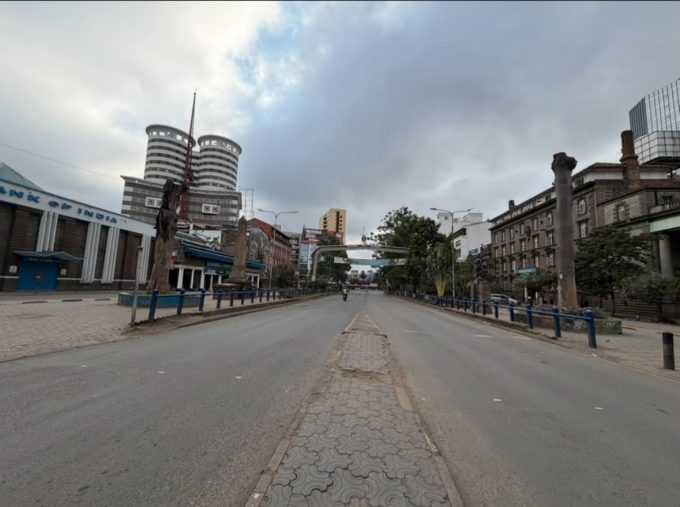
In the wake of the July 7 Saba Saba protests, Kenya finds itself at a critical juncture—one marked by widespread demands for accountability, justice, and economic support.
As the dust settles from one of the most powerful citizen mobilisations in recent history, public scrutiny has turned to how institutions respond to the unrest’s aftermath.
Between July 8 and 14, a flurry of state activity has attempted to address the gaps in trust and governance exposed by the protests. From arrests tied to destruction of property to high-level government engagement with the business community, the actions taken in this seven-day window offer insight into how Kenya is navigating its post-protest moment.
Criminal Investigations
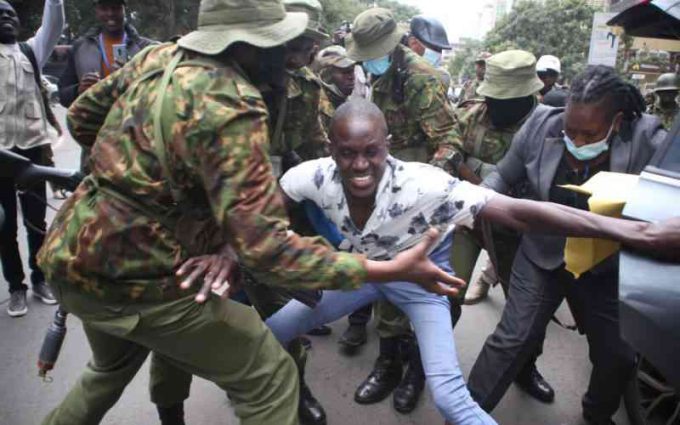
The Directorate of Criminal Investigations (DCI) has launched a sweeping series of arrests and investigations into incidents of looting, arson, and destruction that occurred during the protests. Over 192 suspects were arrested in Nakuru alone, with other high-profile cases emerging from Meru, Kitengela, and Oyugis—including the burning of supermarkets, hospitals, and police stations.
However, public reaction remains sharply divided. While a few applauded the state’s swift response, the dominant online sentiment pointed to scepticism, questioning whether the arrests were credible and demanding deeper investigations into protest financiers and political actors. There is a clear public appetite for justice, but also a growing insistence that such efforts be transparent and evidence-based, not politicised.
Government–Business Dialogue: A Step Toward Economic Recovery
Against the backdrop of billions in losses suffered by businesses during the protests, the Ministry of Trade took a significant step by meeting with the Retail Trade Association of Kenya (RETRAK).
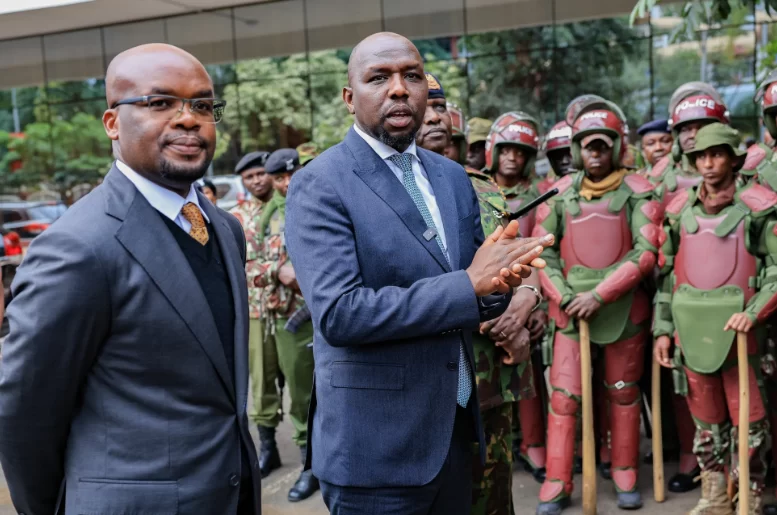
Cabinet Secretary Lee Kinyanjui led the engagement, which focused on reducing regulatory burdens, improving security, and rebuilding confidence within the retail sector.
Described by RETRAK as “constructive and open,” the session was seen as a critical turning point in state-business relations. If sustained, this collaboration could lay the foundation for broader reforms that stabilize the retail sector and strengthen Kenya’s investment climate. The CS pledged ongoing dialogue, simplification of licensing frameworks, and enhanced support for traders hit hardest by protest disruptions.
Online, while some users expressed continued frustration over broader fiscal policy, many welcomed the engagement as a timely signal of leadership and responsiveness.
Signs of Resilience: A Case from Mwea
One standout story of recovery comes from Nice Digital City in Mwea, which suffered losses of over KSh 50 million during the unrest. The proprietor, Mr. Njiru, attributed the successful reopening to a combination of personal capital injection, bank loans, coordinated security support from GSU officers, and help from community members—some of whom voluntarily returned stolen items.
His appeal for more public sensitivity toward business owners resonated widely, offering a human face to the economic devastation. For the government, such stories provide a powerful platform to amplify recovery efforts and deepen citizen engagement.
Bridging the Trust Gap
This critical post-protest window has shown that while state institutions are acting, the credibility of those actions is under intense public scrutiny. Citizens are not just asking for responses—they are demanding visible justice, inclusive dialogue, and structural change. There is an urgent need for the state to share justice milestones, communicate consistently, and support affected communities not just with promises, but with tangible outcomes.
If this moment is to serve as a national reset, it will require more than arrests and press briefings. It will require transparency, accountability, and sustained listening by those in power.
Read: Saba Saba Chaos: 11 Dead, Over 500 Arrested As 52 Police Officers Sustain Injuries
>>> The History and Significance of Saba Saba in Kenya








Leave a comment