ECONOMY

Why Bread Suddenly Got More Expensive for Kenyans

Share
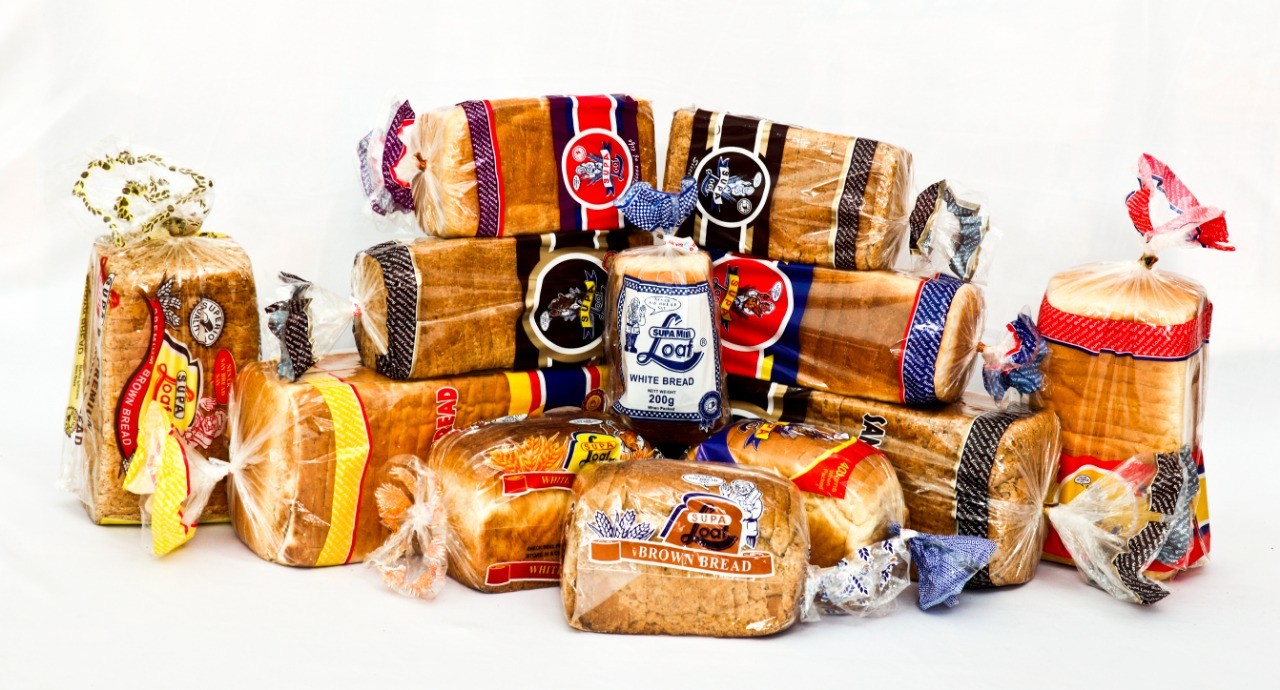
Various Supaloaf products. A 400g loaf of Supaloaf is currently retailing at Ksh55, up from Ksh50
Share

Many Kenyans at their local neighborhood shops have been caught off-guard by the increased price of bread in recent weeks. A staple in many homes, bread prices have shot up at a time when many households are grappling with the increased cost of living, higher fuel costs and other economic woes brought about by the Covid-19 pandemic.

A 400 gram loaf of Supaloaf bread is currently retailing at Ksh55, up from Ksh50. An 800g loaf of Festive bread, on the other hand, will cost you Ksh100 up from Ksh92. Bakers had initially attempted to raise prices by Ksh5 to Ksh8 in January, but the move was reversed due to competition from supermarkets which maintained lower prices on their in-house bread brands.

The increased cost is as a result of rising wheat prices globally – with bakers passing the additional cost in price of wheat to consumers. Notably, Kenya depends on the global market for up to 75 per cent of her total wheat requirement.

A Nairobi-based shop-owner, Anne Mueni, told Business Today that she was forced to sell a 400g loaf at Ksh55 to make any significant profits.
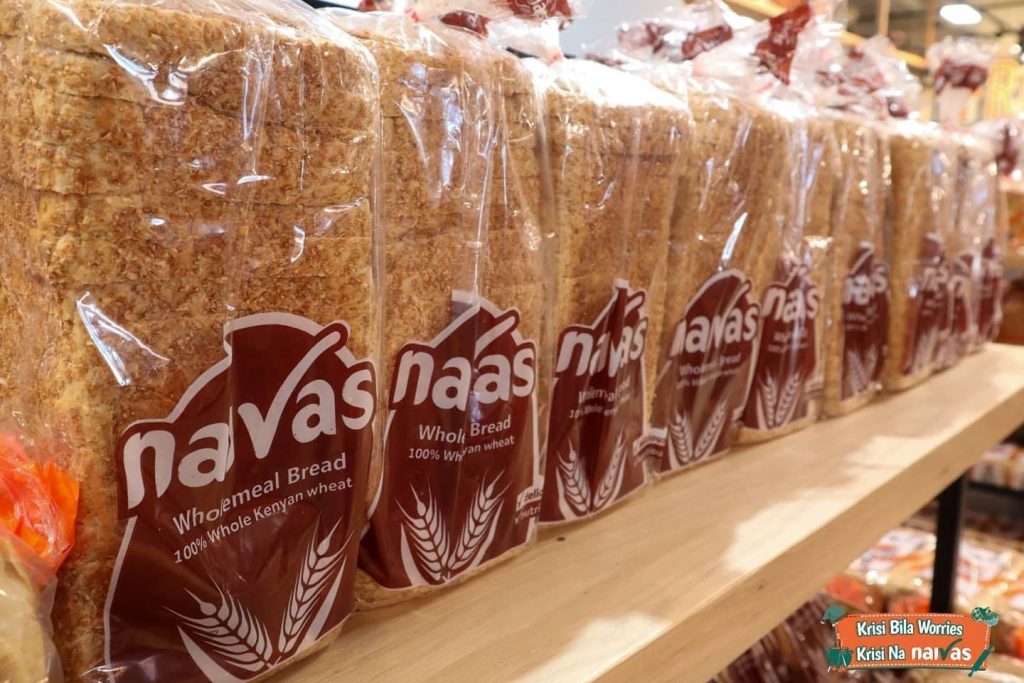
A loaf of bread sold at Naivas supermarkets. A previous attempt by bakers to raise the price of bread in January was reversed following stiff competition from supermarket brands which retained lower prices.

“A lot of people are still getting surprised when I tell them the bread is now Ksh55…it’s not our fault because we are now getting a loaf at Ksh45 from distributors, I need to sell at Ksh55 to get something,” she noted.

READ ALSO >> Achieving Food Security Goes Beyond Good Budgets

Wheat prices globally have been on the rise, hitting Ksh34,240 a tonne this year up from Sh25,300 in 2020.

The rise comes at a time when other important food items, including milk, have also been steadily getting more expensive in Kenya.

Data from the Kenya National Bureau of Statistics (KNBS) indicates that inflation rose to 5.9 per cent in March from 5.78 per cent in February.

READ >> Kenyans Reject IMF Loans in Attempt to Curb Corruption

Written by
MARTIN SIELE -

Martin K.N Siele is the Content Lead at Business Today. He is also a Quartz contributor and a 2021 Baraza Media Lab-Fringe Graph Data Storytelling Fellow. Passionate about digital media, sports and entertainment, Siele also founded Loud.co.ke

Leave a comment

Leave a Reply

Your email address will not be published. Required fields are marked *

PAST ARTICLES AND INSIGHTS

Related Articles
Absa Bank Kenya Chief People Officer Mumbi Kahindo (3rd from right) leads the Absa team in receiving the Award
BUSINESSFEATURED STORYNEWS

Absa Bank Kenya is Picked as Kenya’s Top Employer

Absa Bank Kenya Plc, formerly Barclays Bank of Kenya, has been recognised...

Keza Riruta Project by Mi Vida Homes
BUSINESSECONOMYFEATURED STORYREAL ESTATE

Mi Vida Homes Gets Global Recognition from World Bank

Mi Vida Homes, one of the fastest growing Kenyan real estate developers,...

NSE gave huge returns to investors in 2025
STOCKS

NSE Maintains Bullish Mood At first Week of 2026

NSE (Nairobi Securities Exchange) has maintained its growth momentum as trading entered...

The Central Bank of Kenya (CBK) headquarters in Nairobi.
FEATURED STORY

Central Bank of Kenya in Switch Bond Auction As 2026 Begins

Central Bank of Kenya(CBK)is offering a Treasury Bonds Auction switch from a...