

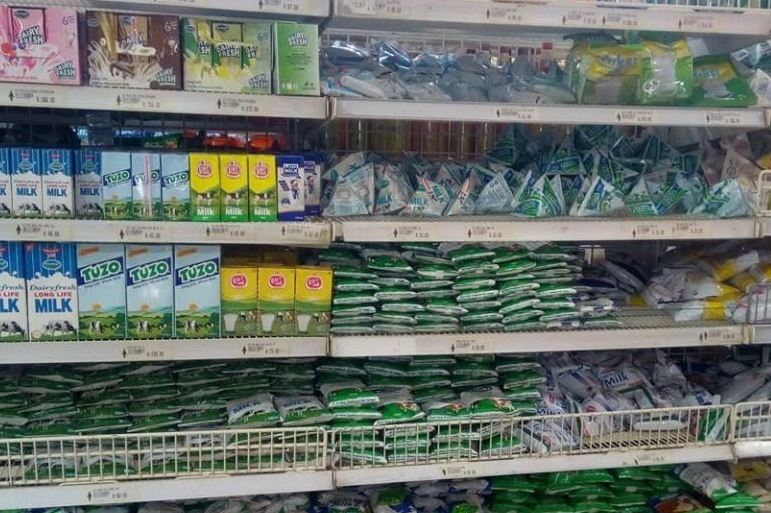
Kenya’s milk shortage is creating an uncomfortable question for the dairy industry: as consumers pay more for a product that is becoming harder to find, are the farmers producing it also earning more, or is the extra money being absorbed elsewhere along the supply chain?
The shortage has pushed milk prices higher in some markets, affected supermarket stocks and forced households to spend more on an everyday essential. Yet the farmer, who bears the cost of feeding and caring for dairy cattle, does not automatically benefit whenever the price of milk rises at the till.
The difference between what a farmer receives and what a consumer pays can be substantial. But that gap is not pure profit. Milk must be collected, cooled, tested, processed, packaged, transported and stocked before it reaches a supermarket or neighbourhood shop. Each stage has its own expenses, risks and commercial interests.
The real business question is not simply who charges the highest price. It is who has the power to set prices, who absorbs rising costs and who retains a larger share of the money consumers spend.
Farmers are getting better offers, but at what cost?
The shortage has created an opportunity for farmers to negotiate better prices, particularly when competing buyers are looking for limited supplies. In September 2026, Murang’a County Creameries Union raised its farm-gate price from Ksh 42 per litre in June to Ksh 49, following successive monthly increases.
The price competition is also changing where farmers sell their milk. A report by the Kenya News Agency in October quoted a farmer who said direct retail sales could fetch about Ksh 70 per litre, compared with approximately Ksh 50 from a dairy factory. Sila Dairy Factory had also raised its buying price from Ksh 42 to Ksh 50 per litre to attract suppliers.
For farmers, selling directly can mean a better return. However, it also comes with responsibilities such as finding customers, arranging transport, managing unsold milk and ensuring safe handling. Milk is perishable, and a farmer who cannot sell the day’s production quickly risks losing both the product and the money invested in producing it.
The higher price is therefore an opportunity, not a guarantee of higher profits. Farmers must still account for feed, water, labour, veterinary care and other production expenses. With drought pushing up the cost of keeping cattle, a higher selling price may simply help cover a more expensive operation.
Brokers gain bargaining power as processors compete
Milk brokers occupy an important position in the current shortage because they can connect farmers with buyers willing to pay more. When processors struggle to secure enough raw milk, independent traders may have greater room to negotiate with producers.
Agriculture Cabinet Secretary Mutahi Kagwe has attributed part of the decline in formal milk deliveries to farmers diverting supplies to brokers offering better prices. Formal deliveries fell from 84.4 million litres in June to 81.3 million litres in July 2026.
This does not mean every broker is making extraordinary profits. Their earnings depend on the buying price, selling price, transport costs, losses and the risks they take. Nevertheless, the shortage increases the value of having reliable access to milk at a time when processors need it most.
Processors face a different problem. Their factories, workers, cooling systems and distribution networks still require money even when fewer litres arrive. Lower volumes can raise the cost of producing each litre, while competition for raw milk can push factories to offer farmers better prices.
The result is a contest over supply. Farmers look for the best return, brokers seek buyers, and processors try to keep production lines running. Consumers eventually feel the pressure through higher prices and fewer choices.
The supermarket price is not the retailer’s profit
The difference between the price paid to a farmer and the amount charged to a consumer can look enormous. But comparing the two figures alone does not reveal who is making the most money.
Strathmore University’s SAFIC AgriIntel price tracker recorded a median price of Ksh 81.25 per litre at collection points across 14 markets in seven counties in September 2026, up from Ksh 72.50 in August. Its separate series for processed cow’s milk recorded a median of Sh145 per litre across eight markets. These figures cover different stages of the market and different sets of locations, so they are not a direct measure of profit margins.
Processors must pay for treatment, packaging, quality control, electricity, storage and delivery. Retailers also have rent, staff, refrigeration, transport and other operating expenses. In addition, the price of a particular brand or packet size may differ considerably from that of raw milk sold locally.
Even so, the figures raise an important question: how much of a price increase is driven by genuine costs, and how much reflects the bargaining power of businesses controlling access to scarce supplies?
Answering that question requires more than comparing supermarket shelf prices with farm-gate rates. It requires examining actual buying prices, wholesale prices, operating costs and final selling prices across the same locations and time periods.
Who really benefits?
Kenya’s milk shortage has not automatically made every business in the dairy chain more profitable. Some farmers are receiving better prices, while brokers may benefit from their ability to connect scarce supplies with willing buyers. Processors are dealing with expensive raw milk and lower volumes, and retailers face the challenge of maintaining stocks as consumer prices rise.
The bigger concern is whether the market rewards the people who produce the milk fairly while keeping it affordable for households.
If farmers cannot cover their production costs, they may reduce their herds or leave dairy farming. If processors cannot secure reliable supplies, factories may operate below capacity. If retailers face inconsistent deliveries, consumers may pay more or go without.
Kenya’s dairy industry therefore needs more than a temporary increase in milk prices. It needs a supply chain where farmers receive fair returns, businesses can cover reasonable costs and consumers are not left paying an unexplained premium for an everyday necessity.
Until reliable price and cost data reveal how the money is distributed, the question of who is making the most from the shortage remains open. What is clear is that higher prices do not necessarily mean higher profits, and a more expensive packet of milk does not guarantee a better deal for the farmer.











Leave a comment