


One acre of land in Upper Hill, also known as East Africa’s richest square is now going for an average price of Ksh512 million limiting the upmarket area to corporates and wealthy individuals who can measure up to the smile synonymous with that price range.
The Hass Consult Land Price Index for the third quarter of 2020 shows Upper Hill is the most expensive place to acquire land in Kenya followed by Westlands at Ksh421 million an acre, and Kileleshwa Ksh411 million.
In the same vein, acquiring an acre of land in Parklands would set one back some Ksh381 million while similar efforts in Riverside would lead to a prospective client coughing up Ksh346 million.
Across the bracket, Ruaka tops satellite towns with an acre now at 89 million.
Spring Valley
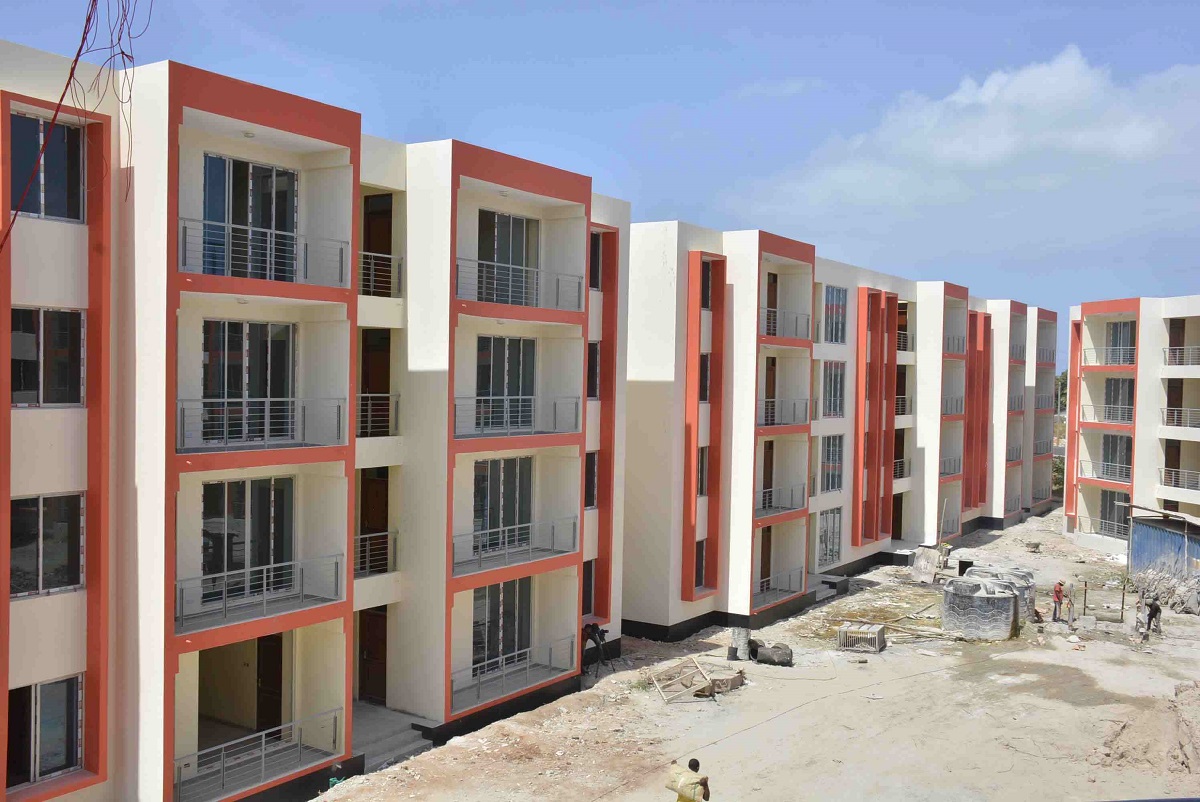
The report shows that the Spring Valley suburb is benefiting from demand by developers who are increasingly turning to the area to put up apartments and offices.
Spring Valley registered a 3.55 percent increase over the quarter as the suburb continues to attract investors eyeing high-density use of land in the area.
“Spring Valley has traditionally been characterized by stand-alone units with ample space but gradually we are seeing the suburb open up to high-density use including apartment and office blocks,” said Ms. Sakina Hassanali, Head of Development Consulting and Research at HassConsult.
Overall prices in the suburbs dropped by 0.94 percent over the quarter while in the satellite towns the drop was 0.06 percent.
In the satellite towns, Rongai recorded the highest increase over both the quarter and on an annual basis at 4.71
percent and 10.3 percent, respectively.
Riverside recorded the biggest drop in land prices at 3.82 percent while on an annual basis, Parklands lead the
pack with prices reducing by 8.8 percent.
Kiambu posted the biggest drops on both quarterly and annually at 5.2 percent and 7.97 percent respectively.
Ms. Hassanali noted that while prices eased in the quarter, the marginal drop shows that land continues to show its stability over other asset classes.
“We have not seen a major drop in land values despite the challenges such as COVID-19 and the tough economic
environment proving that investors still see this as the best bet over the long-term.”












Leave a comment