

There are moments in economic policy where a small percentage looks harmless on paper, yet carries the weight of an entire economy on its shoulders. Kenya’s temporary reduction of Value Added Tax (VAT) on fuel from 16 per cent to 8 per cent is one of those measures.
It is currently structured as a short-term intervention designed to soften the impact of global fuel shocks on households and businesses at a time when international oil markets are under sustained pressure from geopolitical tensions, especially in the Middle East.
The policy has offered breathing space in a period where every shilling at the pump seems to echo across transport costs, food prices, and the general cost of living. Yet as with most fiscal cushions, the real question is not whether it helps today, but what happens when it is removed while global conditions remain unstable.
A Temporary Cushion
The reduction in fuel VAT was introduced as a deliberate response to rising global crude oil prices and the knock-on effects they were having on domestic inflation.
Kenya, like many import-dependent economies, does not have the luxury of controlling global oil prices. It buys refined petroleum products at international rates and then layers local taxes and distribution costs on top. The VAT adjustment, therefore, acted as a pressure valve, easing the immediate burden on consumers while maintaining some level of fiscal stability for the government.
However, this relief was never designed to be permanent. It is a time-bound measure, and its expiration is already embedded in the policy framework. When that moment arrives, the economy will be tested not by a sudden shock, but by the removal of a buffer that has been quietly absorbing pressure in the background.
Middle East factor
The timing of this policy cycle is particularly sensitive because it coincides with continued instability in the Middle East, a region that plays a central role in global oil supply routes and market confidence. Even when production remains steady, geopolitical tension alone is enough to raise shipping insurance costs, increase speculative trading, and introduce volatility into global crude pricing.
For Kenya, this matters because fuel prices at the pump are not determined locally. They are a reflection of global benchmarks, exchange rates, and logistical costs that are influenced by events far beyond their borders. If these conditions remain tight or worsen, the expiry of the VAT relief will not occur in a neutral environment. It will happen in a market that is already expensive and uncertain.
What the expiry means for pump prices
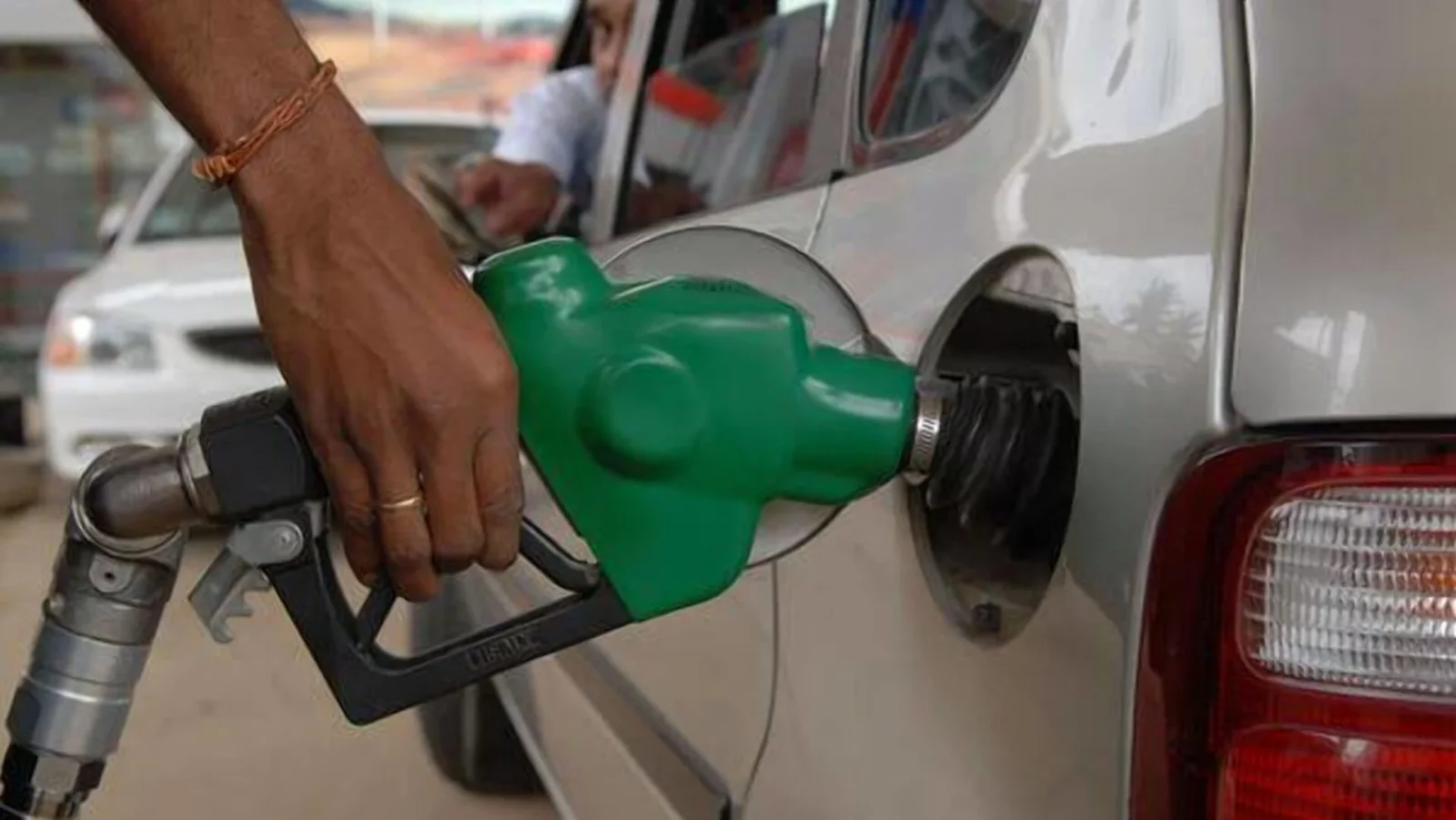
When the VAT rate returns to its higher level or the temporary reduction expires without renewal, the most immediate impact will be felt at the fuel station. Petrol and diesel prices are likely to adjust upward, not necessarily in a dramatic leap, but in a steady recalibration that reflects the restored tax burden.
This adjustment matters because fuel pricing in Kenya is deeply embedded in every aspect of economic activity. Transport operators respond quickly, logistics companies recalculate routes and costs, and households begin to feel the ripple effect through fares, food prices, and daily essentials. The change is rarely isolated to fuel alone. It spreads quietly across the economy like a chain reaction that begins at the pump and ends at the kitchen table.
Inflation pressure and the cost of everyday life
Fuel is often described as the lifeblood of the economy, and in practical terms, this description is accurate. It powers transport, influences electricity generation in certain systems, and shapes the cost of moving goods from farms to markets and from ports to warehouses. When fuel becomes more expensive, inflation rarely needs an invitation. It follows naturally.
The expiry of the VAT relief, particularly under conditions of high global oil prices, would therefore add a layer of inflationary pressure. This does not necessarily mean prices will spike overnight, but rather that the existing upward pressure on the cost of living will find new momentum.
Households may notice gradual increases in transport fares, food prices, and service charges, all of which accumulate over time and reduce disposable income without dramatic warning signs.
From a policy perspective, the VAT reduction represents a trade-off between consumer relief and government revenue. Lowering tax on fuel reduces the fiscal inflow that supports national budgets, infrastructure projects, and debt obligations. Extending the relief would continue to ease pressure on households but would also widen the fiscal gap at a time when governments are already managing tight budgets.
When the policy expires, the government essentially faces a familiar economic dilemma. It can either restore the tax and protect revenue stability, or extend the relief and continue shielding consumers while absorbing the fiscal strain. Neither option is painless, and both carry long-term implications for economic planning and public sentiment.
The everyday reality behind the numbers
For most citizens, the technical debate around VAT percentages and global oil benchmarks translates into a much simpler experience at the pump and in the market. The impact is felt in small, continuous adjustments that slowly reshape daily spending habits.
Transport operators may revise fares incrementally rather than dramatically. Food vendors may adjust prices subtly in response to rising delivery costs. Households may find that budgets which previously stretched comfortably now require closer monitoring. These are not headline-grabbing changes, but they are the kind that quietly redefine living standards over time.
There is also a familiar Kenyan reality that often accompanies fuel price changes, where the public tends to sense adjustments even before official announcements fully reflect them. It is almost as if the economy whispers its changes before it speaks them clearly.
A Small percentage with a large shadow
The expiration of the 8 per cent VAT on fuel is not, on its own, an economic crisis trigger. However, its impact cannot be separated from the broader context of global oil instability and domestic fiscal constraints. When the relief ends, it will not introduce a new problem so much as reveal the underlying pressure that has been temporarily contained.
If global conditions stabilise, the adjustment may be manageable and absorbed gradually. If geopolitical tensions persist and oil markets remain volatile, then the expiry will act as an amplifier of existing economic stress.
In the end, this is not simply a story about tax policy. It is a reminder that in a globally connected economy, even a small percentage change at the pump can cast a long shadow over everything from transport fares to food prices, quietly reshaping the cost of everyday life in ways that are felt more than they are announced.











Leave a comment