

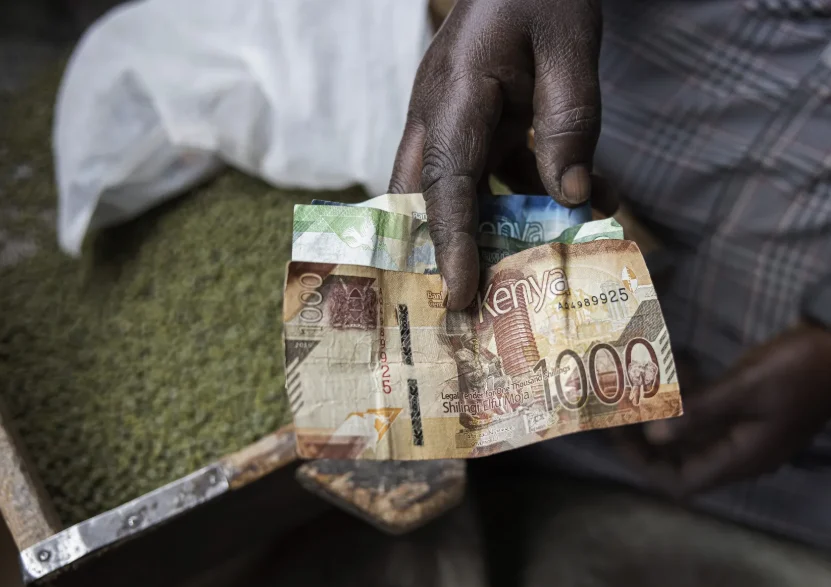
A new assessment by MCB Group in its Africa Economic Compass report has shown that Kenya’s economy has made steady progress in stabilising over the past year, but is now facing renewed pressure from rising global energy costs and climate-related disruptions that could slow down the recovery.
The report paints a picture of an economy that has moved away from the acute financial stress seen in 2023 and early 2024, when debt refinancing fears and pressure on the Kenyan shilling dominated economic discussions. Since then, Kenya has recorded notable improvements.
Access to international capital markets has strengthened, foreign exchange reserves have improved, and a sovereign credit rating upgrade has helped rebuild investor confidence.
These gains have supported a more stable macroeconomic environment and reduced immediate fears of default risk. However, the report cautions that this stability is still fragile and increasingly exposed to external shocks.
One of the biggest risks highlighted is the global energy market.
Rising geopolitical tensions, especially in oil-producing regions such as the Middle East, are pushing crude oil prices higher. For Kenya, this is particularly significant because the country relies heavily on imported fuel.
Around 60 per cent of Kenya’s fuel imports come from the Middle East, leaving the economy highly sensitive to price fluctuations. When global oil prices rise, the effects are quickly felt at home through higher fuel prices, increased transport costs, and rising prices of goods and services.
The impact spreads further into the economy. Food prices tend to rise due to higher transport and fertiliser costs, while businesses face increased operating expenses. This creates broader inflationary pressure that affects households across the country.
“Kenya has made notable progress in restoring macroeconomic stability, but the current environment highlights the importance of strengthening resilience to external shocks,” the report read in part.
The renewed inflation risks are now complicating monetary policy decisions. Earlier expectations that the Central Bank of Kenya might continue lowering interest rates to support growth are being reassessed in light of rising global prices.
“Given this backdrop, we see limited room for further easing this year and expect the Central Bank to take a cautious, data-driven approach,” the report notes.
This means borrowing costs are likely to remain high for longer. While this helps contain inflation, it also makes credit more expensive for businesses and households, potentially slowing investment, consumption, and overall economic growth.
At the same time, Kenya’s external position is also coming under pressure.
Higher oil import costs are expected to widen the current account deficit, increasing demand for foreign currency. If export earnings and remittances do not fully offset this gap, the pressure could eventually affect the stability of the shilling.
For now, the currency has remained relatively steady at around 129 to the US dollar. This stability has been supported by improved foreign exchange reserves and consistent diaspora remittances, which continue to play a critical role in cushioning the economy. However, the report warns that this balance could be tested if global conditions worsen further.
Domestic challenges
Beyond external shocks, domestic challenges are also adding strain.
Climate-related disruptions are becoming more frequent and more severe. Recent flooding in Nairobi and surrounding areas has damaged infrastructure, disrupted transport networks, and slowed business activity. These events are increasingly being viewed not as isolated incidents but as recurring economic risks.
In agricultural regions, unpredictable rainfall patterns are affecting planting seasons and harvests, creating uncertainty for food production and rural incomes. This adds another layer of pressure on food security and inflation.
These climate shocks also carry fiscal implications. Government spending rises in response to emergencies, infrastructure repairs, and social support needs, placing additional strain on public finances.
At the same time, policymakers are attempting to cushion households from rising fuel costs through tax adjustments and stabilisation measures. While these interventions offer short-term relief, they come at a cost. Reduced tax revenues or increased subsidies can widen the fiscal deficit and complicate efforts to manage public debt.
MCB’s Macroeconomic Pressure Index reflects this growing tension. While Kenya’s macroeconomic fundamentals have improved compared to the crisis period, the index shows that underlying pressures are beginning to build again as global and domestic risks converge.
The report notes that sustaining investor confidence will depend on continued fiscal discipline, prudent debt management, and reliable access to external financing, including support from international lenders.
Despite the challenges, Kenya enters this period from a stronger position than in recent years. Improved reserves, a more stable currency, and restored market access provide important buffers against external shocks.
However, the overall outlook remains uncertain.
Rising energy prices, persistent inflation risks, and increasing climate-related disruptions suggest that the recovery is still vulnerable. The progress made so far is real, but it is now being tested by a more volatile global and domestic environment.










I had an unfortunate experience where I lost access to some of my cryptocurrency, which was very stressful. After that, I spent time researching various methods people use to recover lost funds and came across several third-party services offering assistance.
I decided to try one of these services. The communication process was clear/slow/mixed, and I was asked to provide certain details about my case. The process took some time, and while I did see some level of progress, it wasn’t completely straightforward.
Overall, this experience taught me to be very cautious when dealing with crypto-related issues. I advise others to do thorough research and be careful when choosing any recovery service, as there are many risks involved, and not all services are trustworthy.
Going forward, I’ll be more careful with security and verifying platforms before making transactions/investment.
A-l-l-e-g-i-a-n-t * P-r-o * H-a-c-k-e-r’s ability to deliver high-quality work under tight constraints is truly admirable.