

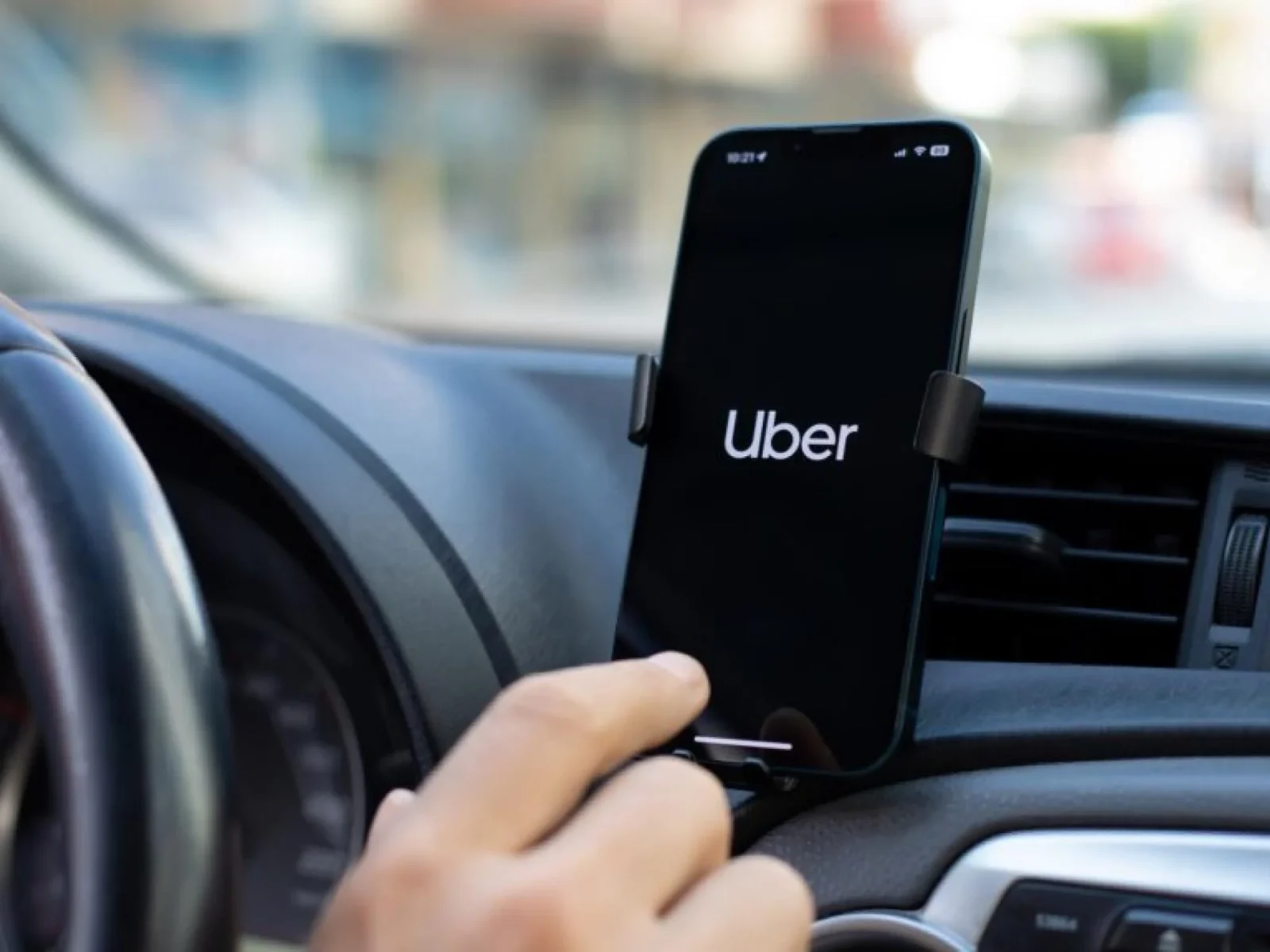
Uber users in Kenya are being forced to rethink how they pay for their rides after the company dropped Visa cards from its list of accepted payment options.
The change, which took effect in January 2026, applies across the Uber and Uber Eats platforms.
The ride-hailing firm says the move is part of a broader effort to control costs as payment processing fees rise globally. Uber explained that it regularly reviews how customers pay in different markets and makes changes where necessary to keep operations affordable.
“We regularly review our payment methods on a market-by-market basis to ensure we’re keeping costs reasonable while balancing any potential impact on consumer experience,” an Uber spokesperson said, adding that the decision followed such a review.
Only Visa card payments have been affected by the decision. Customers can still use Mastercard, American Express, M-Pesa, and cash to complete their trips. Uber says these options will continue to offer flexibility for riders and delivery customers.
Visa has a strong presence in Kenya, with a wide ATM network and a large number of card users, particularly in urban areas. However, card payments face growing competition from mobile money services, which are deeply embedded in everyday life and widely accepted across the country.
Mobile money platforms such as M-Pesa dominate digital payments in Kenya due to their ease of use and lower costs. Many businesses prefer them because transactions are settled locally, unlike card payments that may attract additional charges linked to international processing.
Visa has acknowledged the development and says it is working with Uber to find a solution.
“We are aware that Visa cards are not currently being accepted by Uber in Kenya. We are in touch with the Uber team, and we are working to resolve this as soon as possible.”
Until then, Kenyan Uber users who relied on Visa cards will need to switch to alternative payment methods to continue using the service smoothly.











Leave a comment