New incubator connects women-led craft collectives from Nigeria and India to international fashion markets through runway exposure, design collaboration and retail access
Global nonprofit Ibu Movement is betting that the future of luxury fashion may lie in the hands of women artisans from Nigeria and India rather than traditional fashion capitals.
The Charleston-based organization has launched Ibu Atelier, a new artisan incubator backed by Bank of America, aimed at connecting women-led craft enterprises with international retail markets through design collaboration, business training and global exposure.
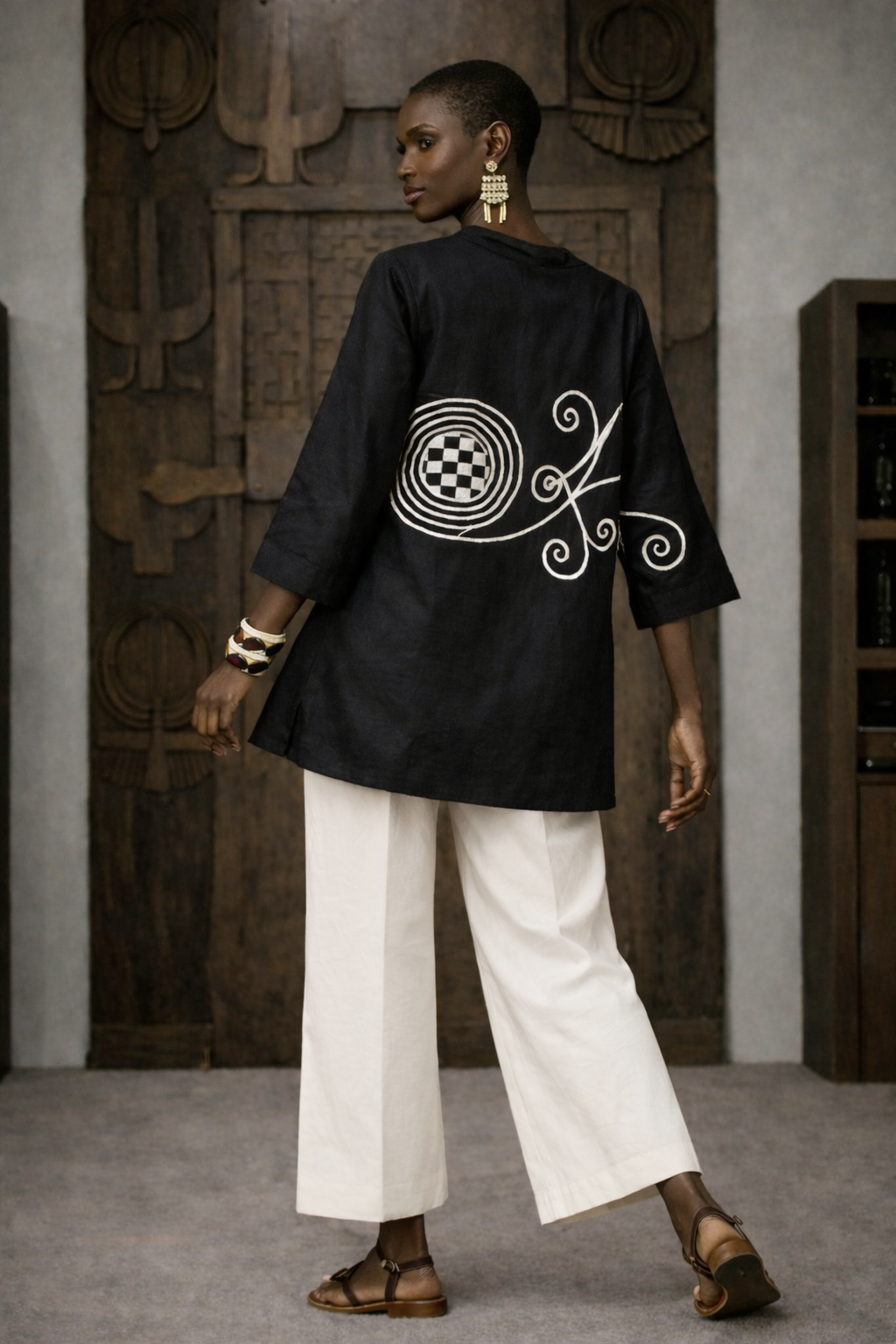
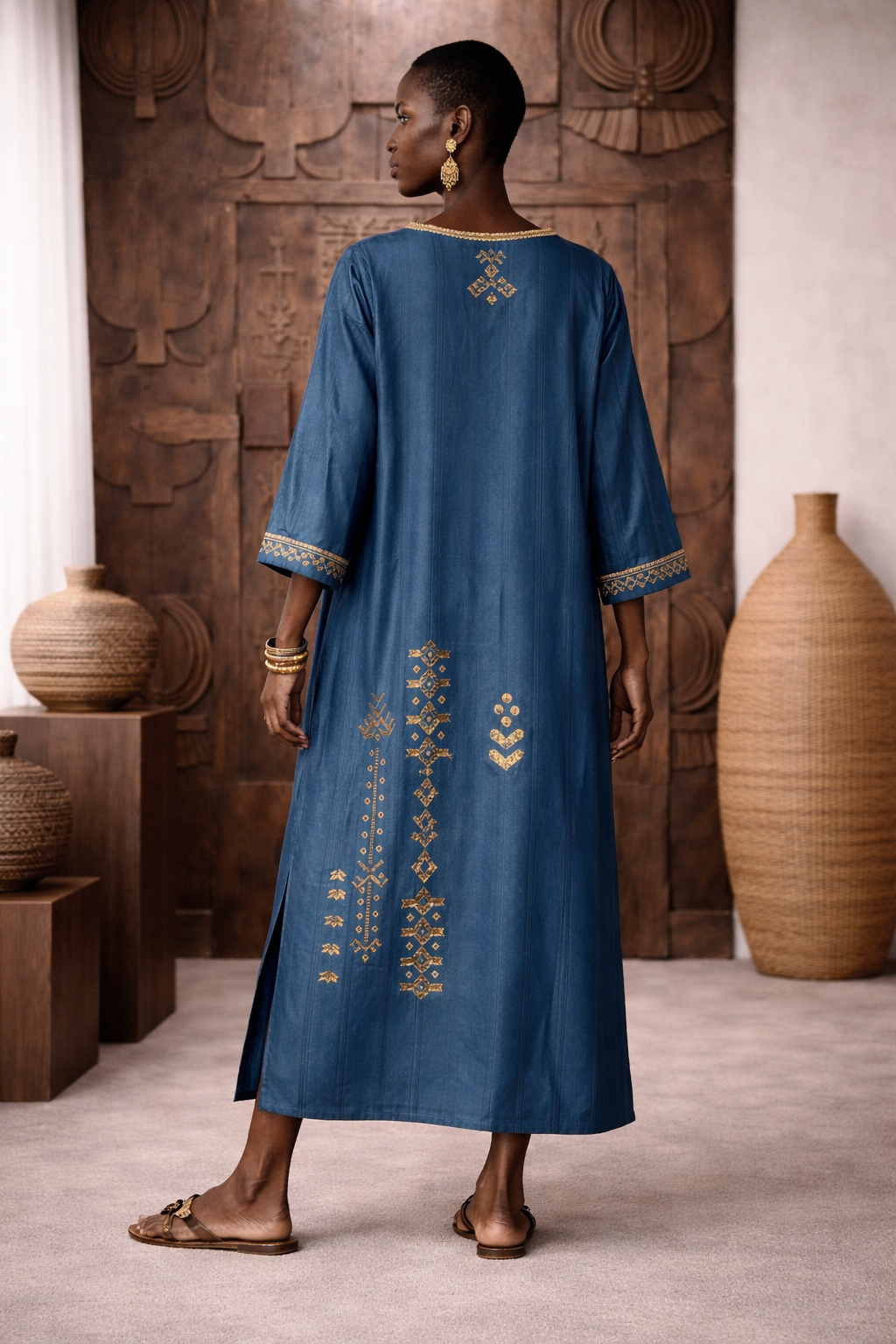
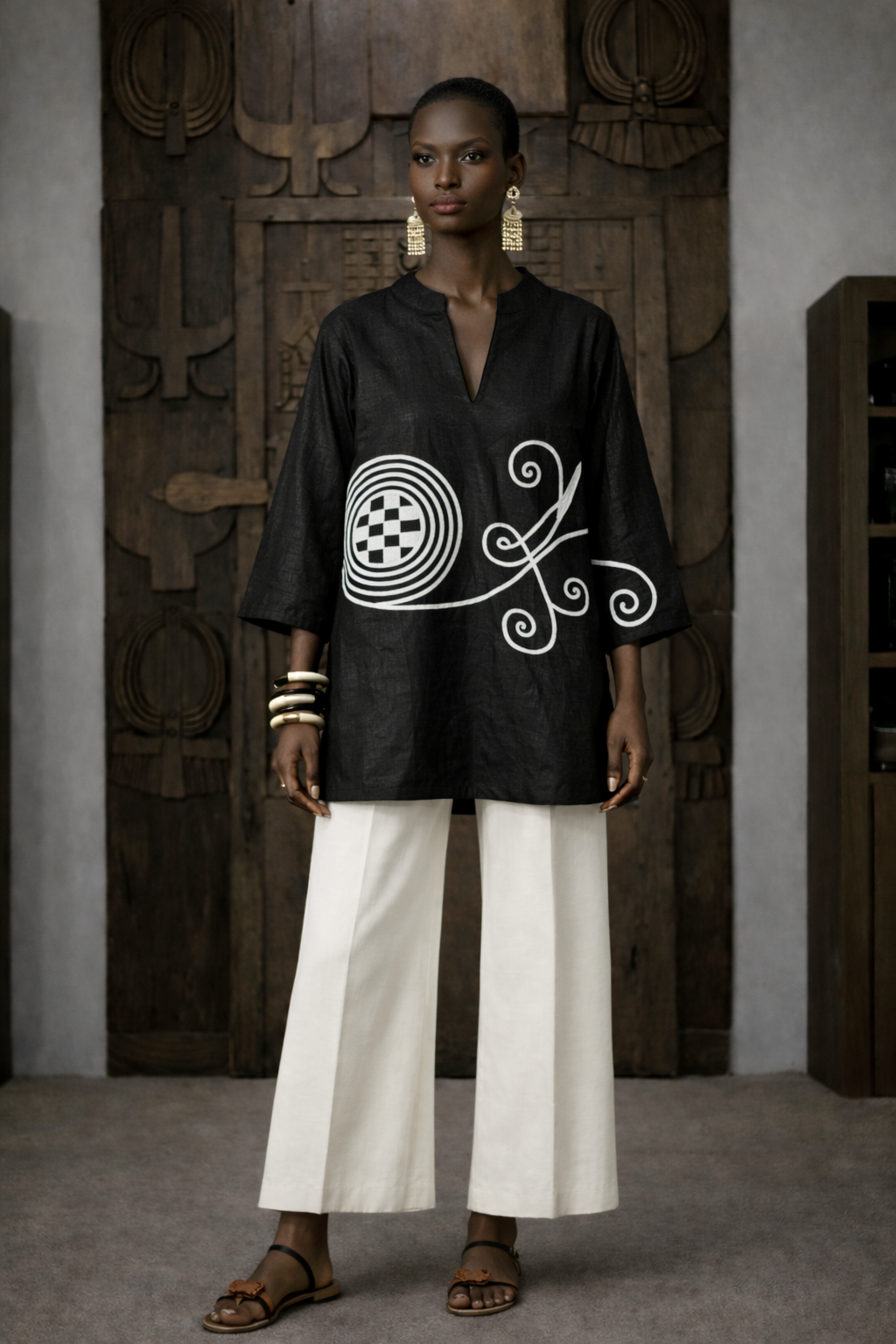
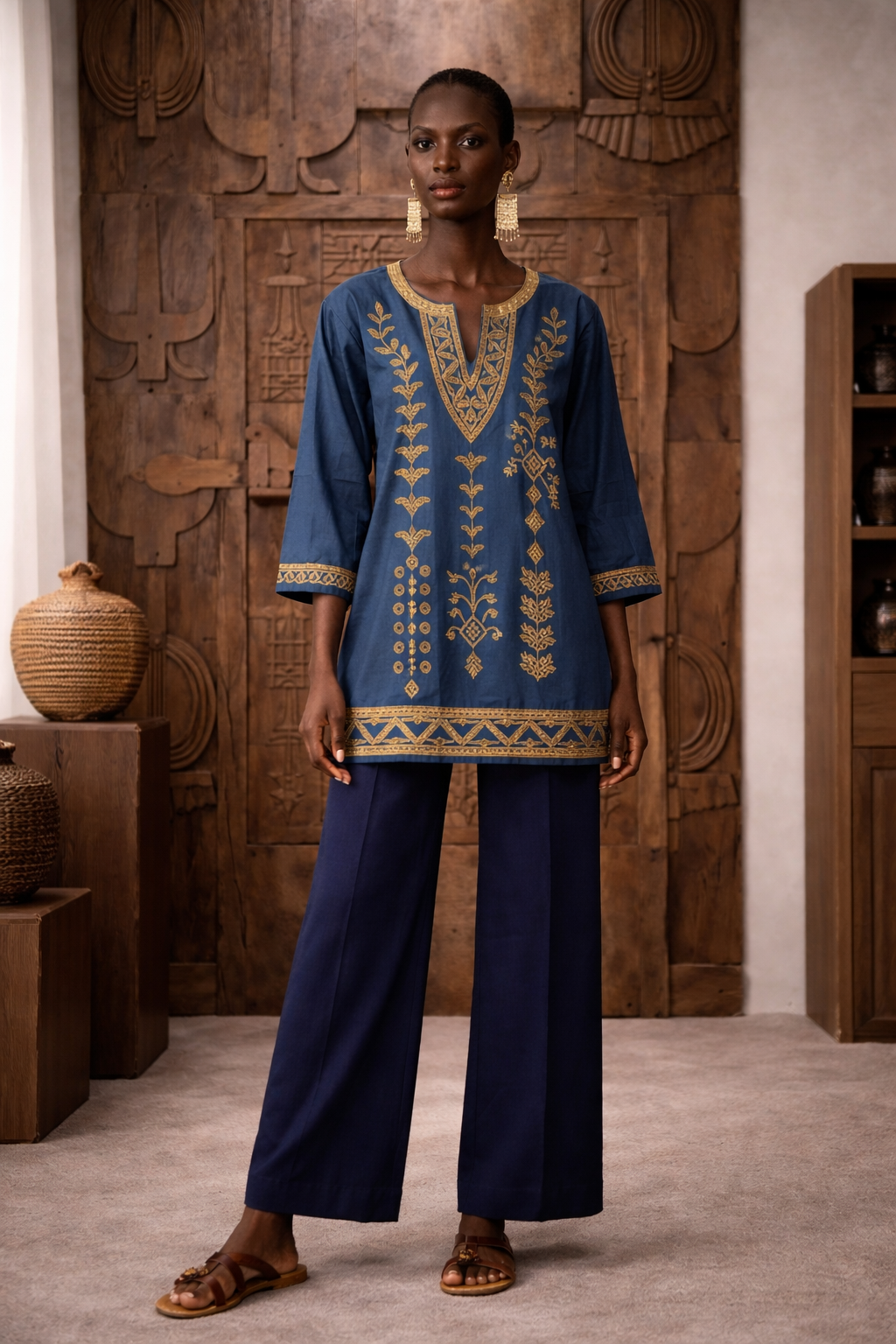
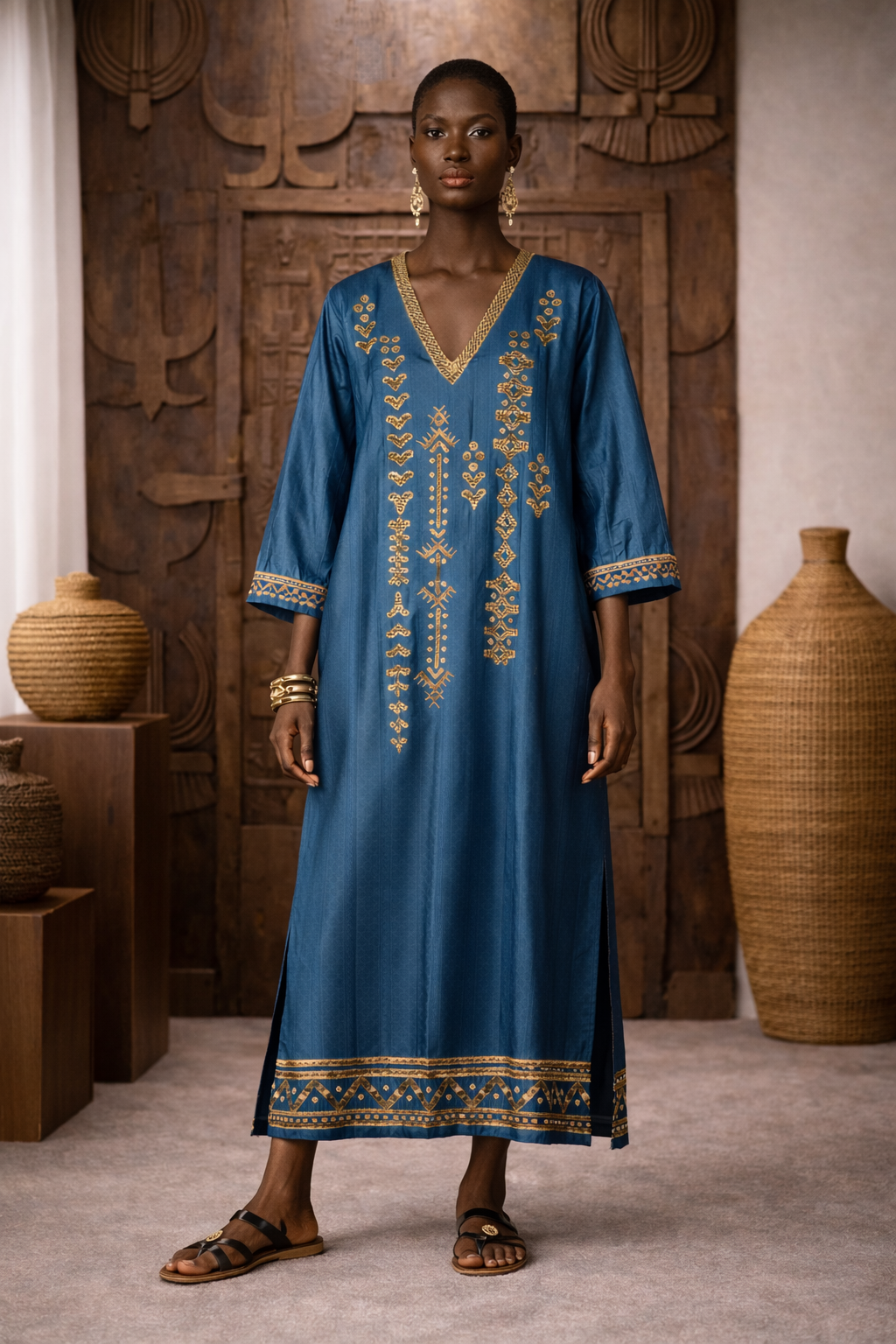
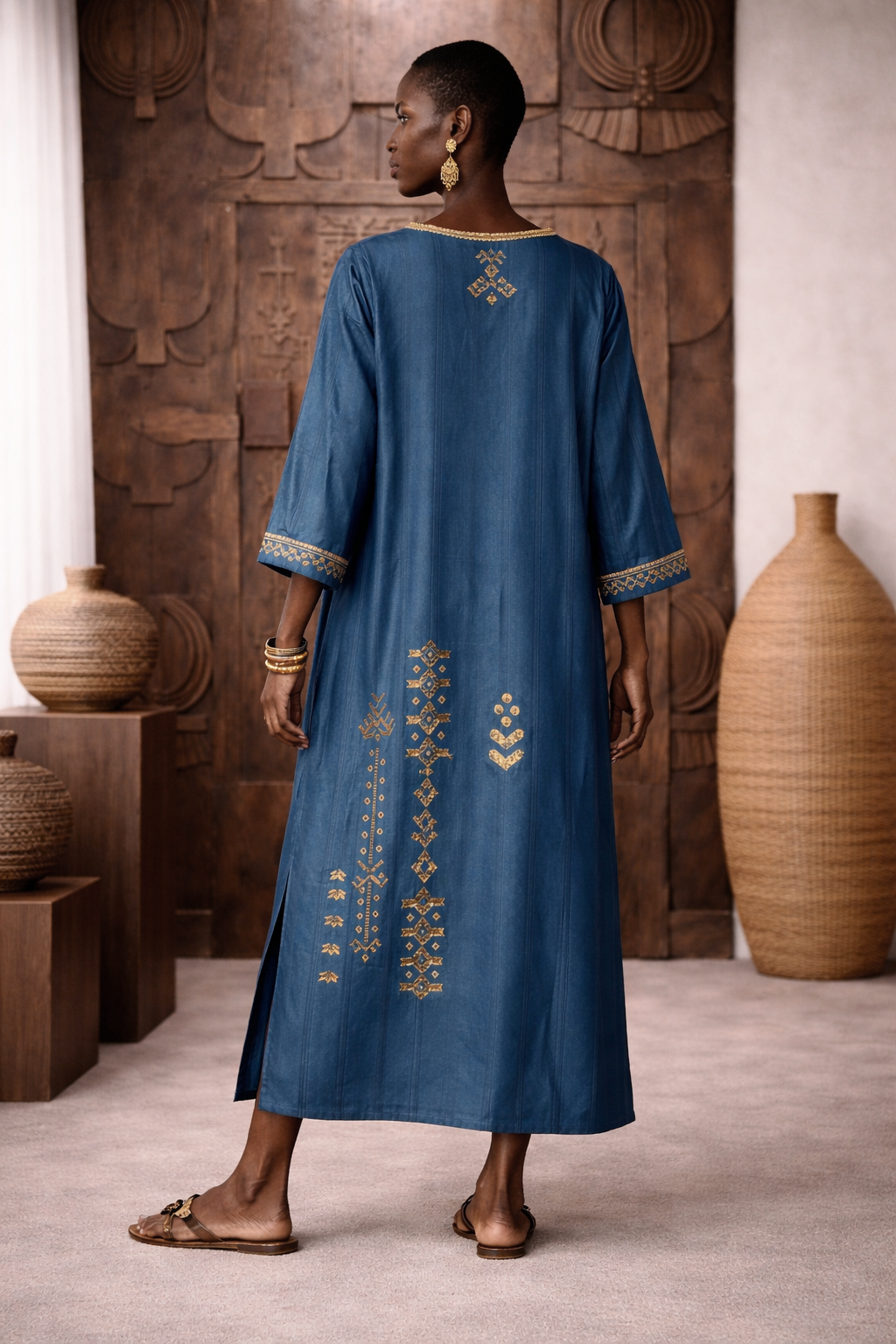
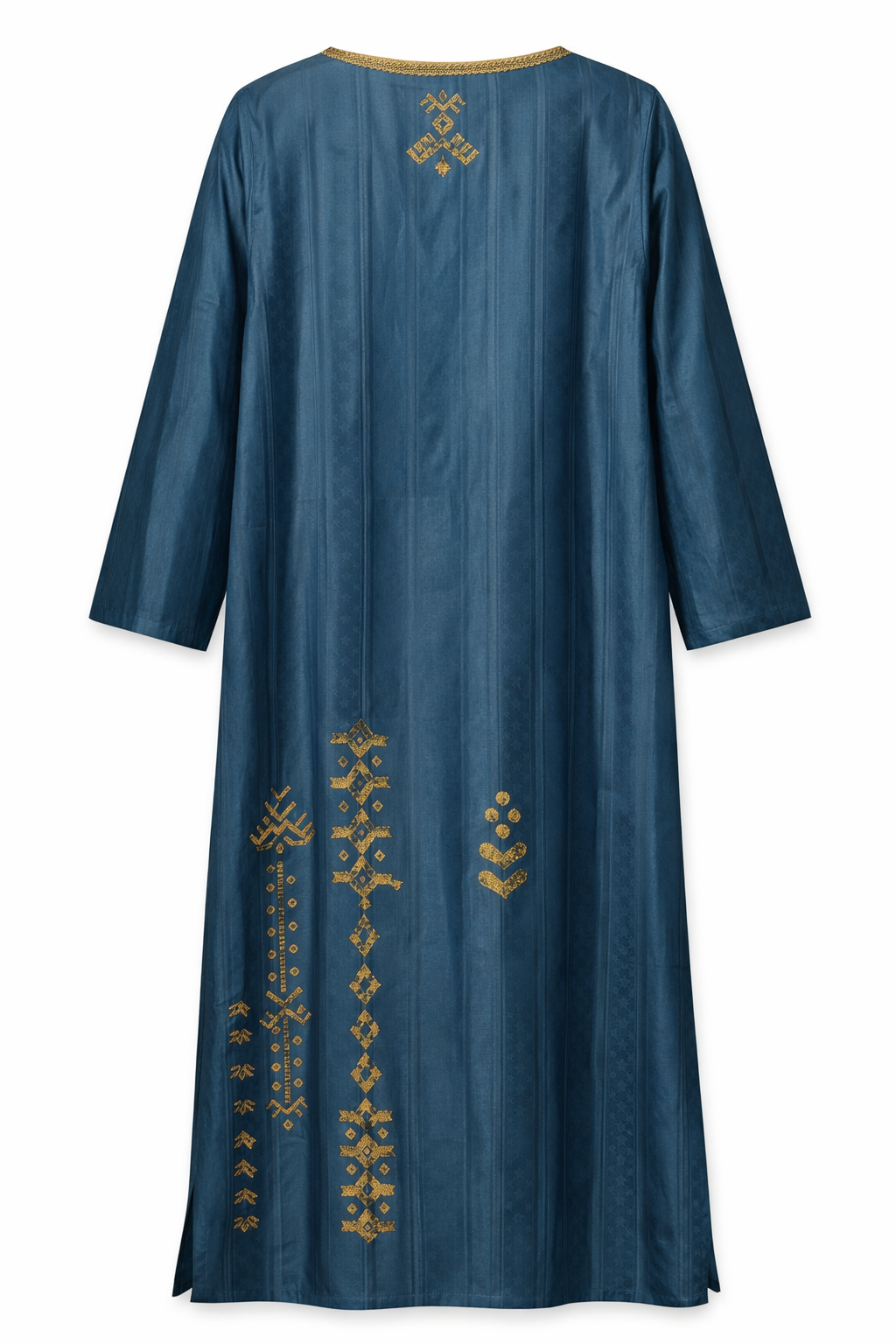
The initiative debuted with capsule collections from Nigerian embroidery collective Queen Amina and Indian textile house LoomKatha, now available through Ibu’s online marketplace, with additional releases expected throughout 2026.
The program reflects a broader shift in the fashion industry as consumers increasingly gravitate toward handcrafted luxury, traceable production and culturally rooted storytelling. Brands and retailers have been under pressure to move beyond performative sustainability pledges toward models that create measurable economic opportunities for artisans and makers in developing economies.
Acclaimed textile designer Deniz Roth worked directly with artisan groups involved in the program to reinterpret traditional techniques for contemporary global consumers without diluting their cultural identity.
“When I sat with the kalamkari artists of DWARAKA, the Himroo weavers of LoomKatha and the embroiderers of Queen Amina, I wasn’t looking at source material. I was looking at masters,” Roth said in a statement announcing the launch.
For Susan Hull Walker, the initiative is positioned less as philanthropy and more as an economic strategy centered on women-led entrepreneurship. “These women are not beneficiaries,” Walker said. “They are entrepreneurs, designers and economic leaders.”
Among the standout launches is Queen Amina, a Nigerian collective reviving bold Hausa embroidery traditions from Zaria City. The debut marks one of the first times the artisans have been presented within an international fashion runway context, signaling growing global appetite for African craft traditions within luxury and lifestyle markets.
Meanwhile, India’s LoomKatha is spotlighting Himroo weaving, a centuries-old silk-and-cotton textile tradition once associated with Mughal royalty. Another participating group, DWARAKA, works with hand-painted kalamkari fabrics using natural dyes, a labor-intensive process where each textile can take weeks to complete.
The partnership also underscores how major financial institutions are increasingly aligning themselves with fashion-adjacent social impact ventures. Bank of America said its support for the initiative is tied to its broader focus on economic mobility and community empowerment through creative industries.
As luxury consumers continue seeking authenticity and craftsmanship over mass production, initiatives like Ibu Atelier could help reposition artisan-made fashion from niche ethical consumption into a commercially viable segment of the global luxury economy.


Ooro George is a correspondent at Business Today, where he covers business, media, arts & culture, entertainment, and Africa’s evolving creative economy.
In today’s fast-evolving corporate culture, personal style goes beyond clothing—it lingers in...
Tribal Chic, East Africa’s longest-running fashion event, marked its 15th anniversary on...
Burberry Plc has unveiled a limited-edition capsule collection developed with the Royal...
On the opening night of Paris Fashion Week, roughly 300 executives, designers...
Leave a comment