


Agriculture Cabinet Secretary Mutahi Kagwe has announced a Ksh 1.428 billion investment in milk-cooling equipment as the Government seeks to support dairy farmers and improve milk supplies nationwide.
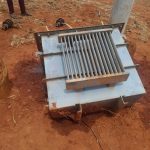
The programme will provide 230 bulk milk coolers, with 200 of them powered by solar energy. The equipment is expected to help farmers and cooperatives store milk safely after collection while reducing losses before the produce reaches processors.
Kagwe announced the measures on Wednesday, September 16, 2026, as the dairy sector continues to face falling deliveries and production pressure.
“The Government is investing Ksh1.428B in 230 bulk milk coolers, among which 200 are solar-powered,” Kagwe said.
The solar-powered units are expected to lower the cost of running cooling facilities, particularly for cooperatives operating in areas where electricity is expensive or unreliable.
According to Kagwe, the equipment could save dairy cooperatives about Ksh 73 million annually in electricity expenses and support more than 115,000 farmers across 41 counties.
Milk supplies under pressure
The investment comes as milk deliveries to processors have declined, with farmers struggling with dry conditions and limited fodder.
Kenya Dairy Board figures cited by the CS show that formal milk deliveries dropped from 84.4 million litres in June to 81.3 million litres in July, representing a 3.7 per cent decline.
The lower production has affected the supply chain, with some retailers reporting reduced availability of fresh milk. Farmers have also been dealing with higher feeding costs as pasture becomes less available.
Kagwe said the Government is preparing other measures to address the animal-feed challenge. These include a National Animal Feeds Development Strategy, a strategic feeds reserve and plans to expand commercial fodder production on underused public land.
The Government is also reducing the cost of dairy breeding in an effort to help farmers improve the quality and productivity of their herds.
The price of subsidised sexed semen has been cut from Ksh 2,900 to Ksh 1,000 per dose, representing a reduction of nearly 65 per cent.
The cheaper breeding service is expected to give more farmers access to improved dairy genetics without having to shoulder the full cost.
Kagwe said studies place the average cost of producing a litre of milk at Ksh36.20 across different production systems.
The measures are therefore aimed at reducing some of the expenses faced by farmers while improving milk collection and storage.
Better cooling facilities can also reduce wastage since fresh milk can spoil quickly when it remains for long periods without proper refrigeration.
The Government hopes the combination of cheaper breeding services, improved cooling infrastructure and measures targeting animal feeds will help farmers sustain production and improve the flow of milk from farms to consumers.












Leave a comment