

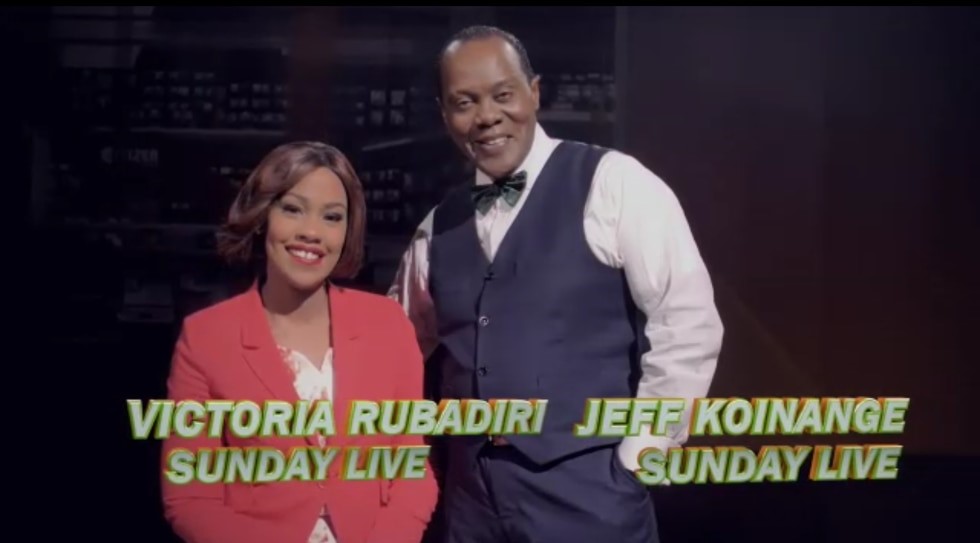
[dropcap]T[/dropcap]he media industry has been very busy over the past six months. Not running its business of delivering news, but making news themselves in fighting it out for what they believe is top talent.
Literally, not a day goes without a journalist quitting to join a rival station. The movement has been so much profound in broadcast (radio and TV), where audiences are swayed largely by personalities.
Today, ordinary viewers could be forgiven for imagining they are watching the wrong station during prime time news. Movements are happening so fast even media people themselves can’t keep pace.
These shifts, motivated by media houses’ quest for popularity and the so-called stars search for better pay and employment terms, have raised questions more than answers these past few weeks. Whichever way you look at it, this annual trend mocked as the ‘media transfer window’, reflects negatively on media houses and their top talent.
RELATED: NTV SWALLOWS ITS PRIDE TO REHIRE FIRED EDITOR
First, it shows media houses are not investing enough in talent development and mentorship. We aren’t seeing lots of fresh talent both on radio and TV among big broadcasters.
Instead, we are fed with lots of ‘old’ faces being recycled. That’s bad for growth of the industry both in terms of quality and infusion of new ideas. For the journalists, the movement projects them as very disloyal employees who will jump ship at the mention of a pay rise or promotion.
Poaching culture has reduced less moneyed media houses into mere training grounds as any up-and-coming talent is plucked by the big guys.
But then it’s upon media houses to cultivate loyalty among their employees through not only better pay but also improve the working environment by democratizing the newsrooms. Often, some journalists move due to tight control of their work by management or media owners or intrusiveness into their family/business lives. Unless something happens, the transfer window will always remain open.
This is bad because it locks the door on new talent – and with it new ideas and creativity. With studios stuffed with ‘reigning stars’, it becomes almost impossible to get them to mentor others since, like any human, they work hard to protect their jobs and ratings. They end up surprising emerging talent.
READ: EBRU TV GETS NEW OWNERS IN SECRET BUYOUT DEAL
New graduates from colleges have to wait in the wings for fate to pick them out or the rare good manager to spot them. The alternative has been for new talent to start from smaller broadcasters to make a name to get bargaining muscle for the big league.
The poaching culture has reduced less moneyed media houses into mere training grounds as any up-and-coming talent is plucked by the big guys. Of course, it’s a free market, but this has constrained growth among new players in the media industry as they are kept in a vicious circle of scouting for talent and facing the inevitable reality that they can lose the new talent – anytime.
NEXT: JEFF KOINANGE IN BIG ‘SEX’ TROUBLE












7 Comments