

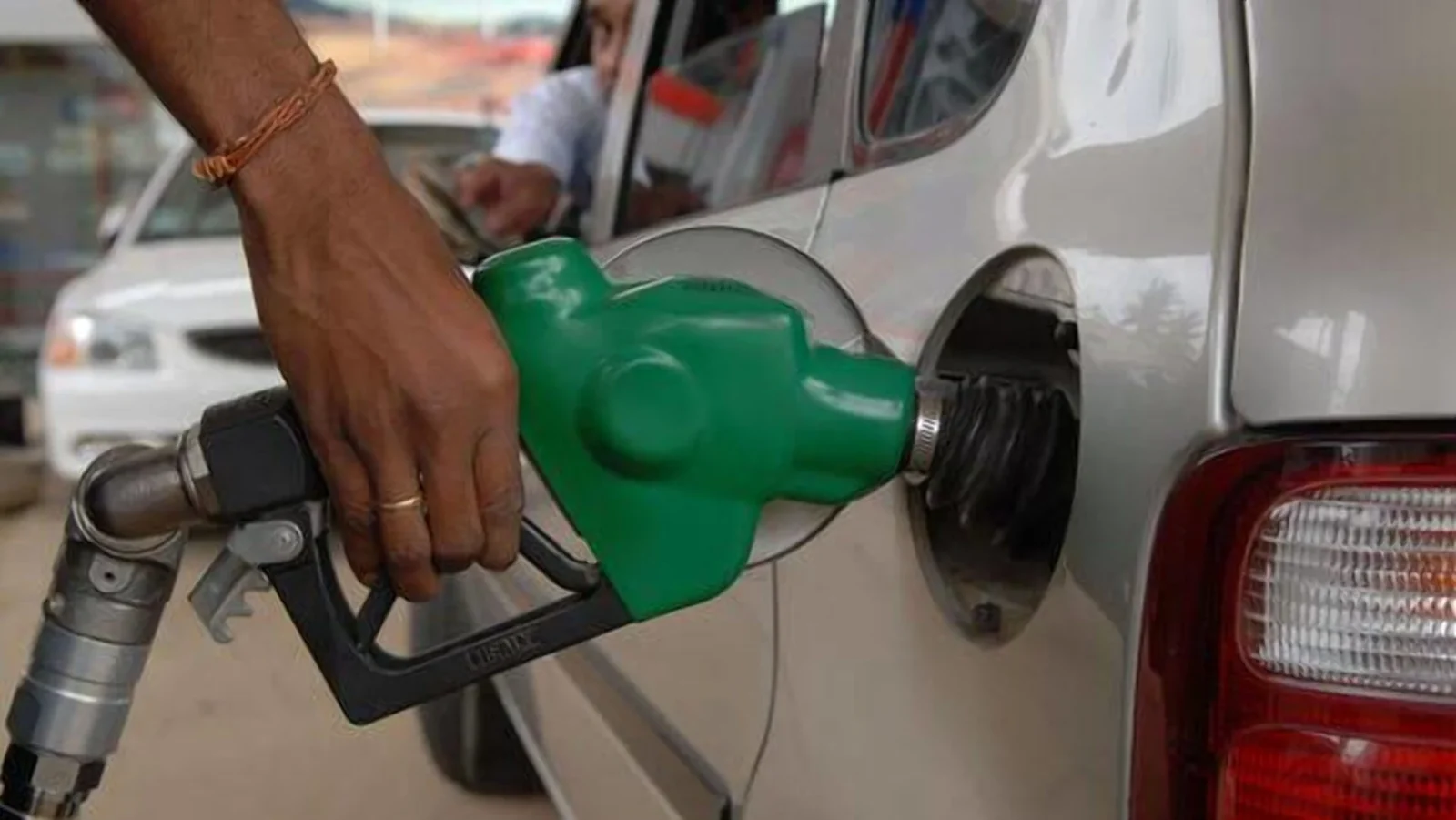
Kenya’s already tense fuel situation has taken a new turn after fresh details emerged in the Senate, raising serious questions about how the government handled an emergency fuel deal worth billions.
At the centre of the storm is Oryx Energies Kenya Ltd, which told senators it stepped in during a crisis at the government’s request, only for the deal to be cancelled when fuel shipments were already on the way to the country.Managing Director Angeline Maangi said the company acted quickly because the situation was urgent, driven by fears of supply disruption linked to instability in the Middle East.
“The Company acted at the Government’s request, under extreme market conditions, and with the sole purpose of supporting Kenya’s energy security,” she told the Senate committee.
Deal sealed in urgency, cancelled midstream
Documents presented before the Senate show that on March 19, the Ministry of Energy and Petroleum reached out directly to Oryx through the office of the Principal Secretary, requesting emergency supplies of Premium Motor Spirit (PMS).
The company responded within two hours. “We submitted the quotation within the required timeline and confirmed our readiness to perform under the proposed terms,” Maangi said.
Within days, the government approved the supply of 60,000 metric tonnes of fuel, followed by an additional 36,000 metric tonnes to boost national reserves as concerns over shortages grew. But just as quickly as the deal had been approved, it was cancelled. “The shipment was en route for delivery when the Ministry cancelled the offer. By that time, a binding contractual arrangement had already been established through formal correspondence,” she said.
By then, Oryx had already committed to sourcing and shipping the fuel under difficult global conditions. The company now says it has suffered losses amounting to $25 million (about Sh3.2 billion). “As of today, the company has lost USD 25 million in the failed deal,” Maangi told senators.
She explained that the pricing reflected a strained global market, where supply routes have been disrupted and costs driven up. “Rerouting around the Cape of Good Hope added up to two weeks in transit time and materially increased logistics costs,” she noted.
Senators question process and accountability
The revelations triggered tough questions from lawmakers, who raised concerns about both the speed of the deal and its cancellation. Danson Mungatana questioned how the company moved so fast.
“Did you talk to your lawyers or consult widely before entering into a contract within two hours?” he asked, also pointing to existing government-to-government fuel arrangements with Gulf states.
Boni Khalwale turned attention to the financial implications. “The taxpayer wants to know the consequences of the failed contract and who pays you for the loss of money?” he posed. At the same time, Allan Chesang Kisang raised concerns about the missed opportunity to stabilise supply. “We need to know the cost of missing out on the importation of these petroleum products,” he said.
Despite the pressure, Oryx maintained that it followed standard communication channels and acted in good faith. “It is standard practice that the State Department of Petroleum communicates to oil marketers in this manner,” Maangi said, adding that the company has built trust over its 39 years in operation.
But the firm warned that such last-minute reversals could damage future emergency responses. “A framework that invites participation but fails to honour resulting commitments risks eroding the private sector’s capacity to respond,” the company said. As the Senate probe continues, the focus now shifts to the government’s decision-making process—and whether Kenya’s fuel security systems can be relied on when the next crisis hits.















Leave a comment