

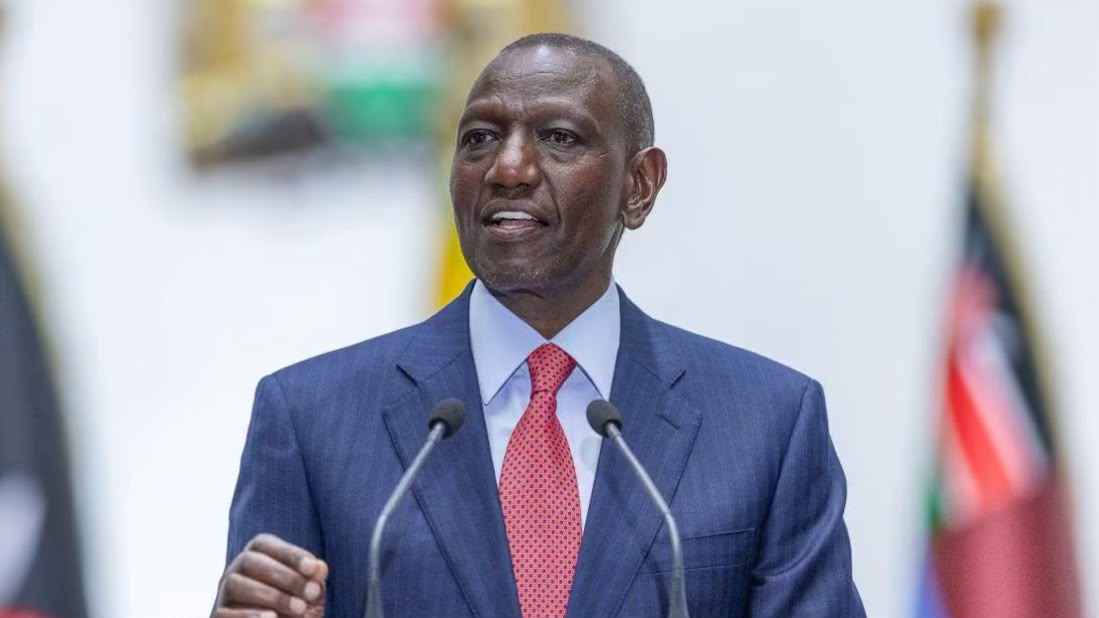
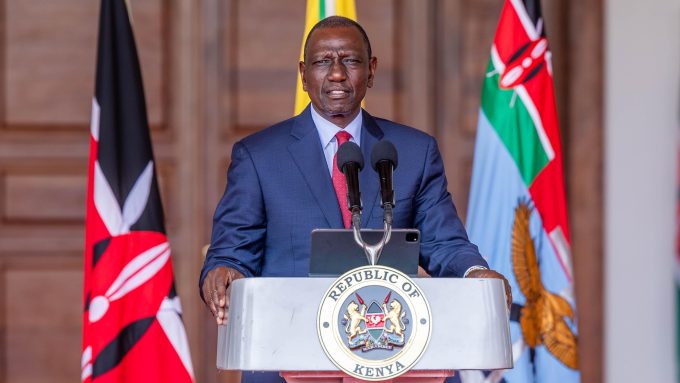
The proposal, announced during the 2026 Mashujaa Day celebrations at Kipchoge Keino Stadium in Eldoret on Tuesday, October 20, 2026, is among four measures the President said his administration intends to introduce to lower the cost of living, expand access to property ownership and create employment opportunities for young people.
Ruto said the PAYE proposal would be presented to Parliament from next week for consideration.
“For workers on average wages, every shilling saved means more money to meet their families’ needs, including food, transport and other essentials,” the President said in his national address.
The proposed tax exemption comes amid continuing public concerns over the cost of living, taxation, unemployment and the pace of economic reforms, issues Ruto acknowledged in his speech.
He said the government had a responsibility to ensure that economic gains translate into tangible benefits for ordinary Kenyans.
Land transactions, mobile phones
The President also announced plans to exempt land transactions involving property valued at Sh1 million or less from stamp duty.
For higher-value transactions, the government intends to introduce a graduated payment system, a move Ruto said would reduce the cost of buying and transferring land and make property ownership more accessible.
The Treasury has prepared the proposals, which will require the relevant legislative and administrative processes before implementation.
In another measure, the government plans to remove the 25 per cent import duty on mobile phones to lower the cost of accessing digital services.
Ruto described mobile phones as essential tools for education, business, banking and employment, particularly for young people seeking opportunities in the digital economy.
“Reducing the cost of mobile phones will bring digital economic opportunities within reach of more people,” he said.
The fourth measure involves expanding the national apprenticeship programme to accommodate an additional 50,000 young people from January 1, 2027.
Under the proposed programme, participants will receive stipends and gain workplace experience through a transparent digital recruitment system.
Ruto said the initiative would address a challenge facing many young jobseekers who struggle to secure employment because they lack work experience.
Government outlines employment targets
The President said the four proposals were intended to address barriers facing Kenyans in taxation, property ownership, access to the digital economy and entry into the labour market.
He added that the government was targeting two million digital jobs, one million overseas employment opportunities and two million jobs linked to affordable housing and related investments over the next three years.
According to Ruto, 680,000 Kenyans had secured jobs abroad through the government’s labour mobility programme, while 350,000 young people had accessed opportunities in the digital economy.
He also said more than 120,000 young entrepreneurs had received capital and mentorship through the National Youth Opportunities Towards Advancement (NYOTA) programme.
The President said the government would continue investing in roads, energy and transport infrastructure to support economic expansion and employment creation.
Ruto acknowledges public discontent
In his address, Ruto acknowledged that his administration had faced criticism over the cost of living, increased taxes, unemployment and the pace of delivering promised reforms.
He said young people had taken to the streets to express their dissatisfaction, adding that protests were a reminder that citizens retained the right to question government decisions and demand better services even after elections.
“Citizens have the right to question their government, oppose its decisions and demand better services. We must listen, respond and accept accountability for the promises we made,” he said.
The President said his administration would present its record to voters ahead of the 2027 General Election, arguing that political competition should focus on policies, development records and plans rather than ethnicity or personal attacks.
He also pledged to outline the next phase of his economic agenda, including expanding agricultural production, growing manufacturing and accelerating the transition to a modern, competitive services economy.
Read: Mashujaa Day: Eldoret Stadium 68% Complete Ahead of October 20
>>> President Ruto Signs New Taxes Into Law to Boost Housing, Cut Fuel VAT










Leave a comment