

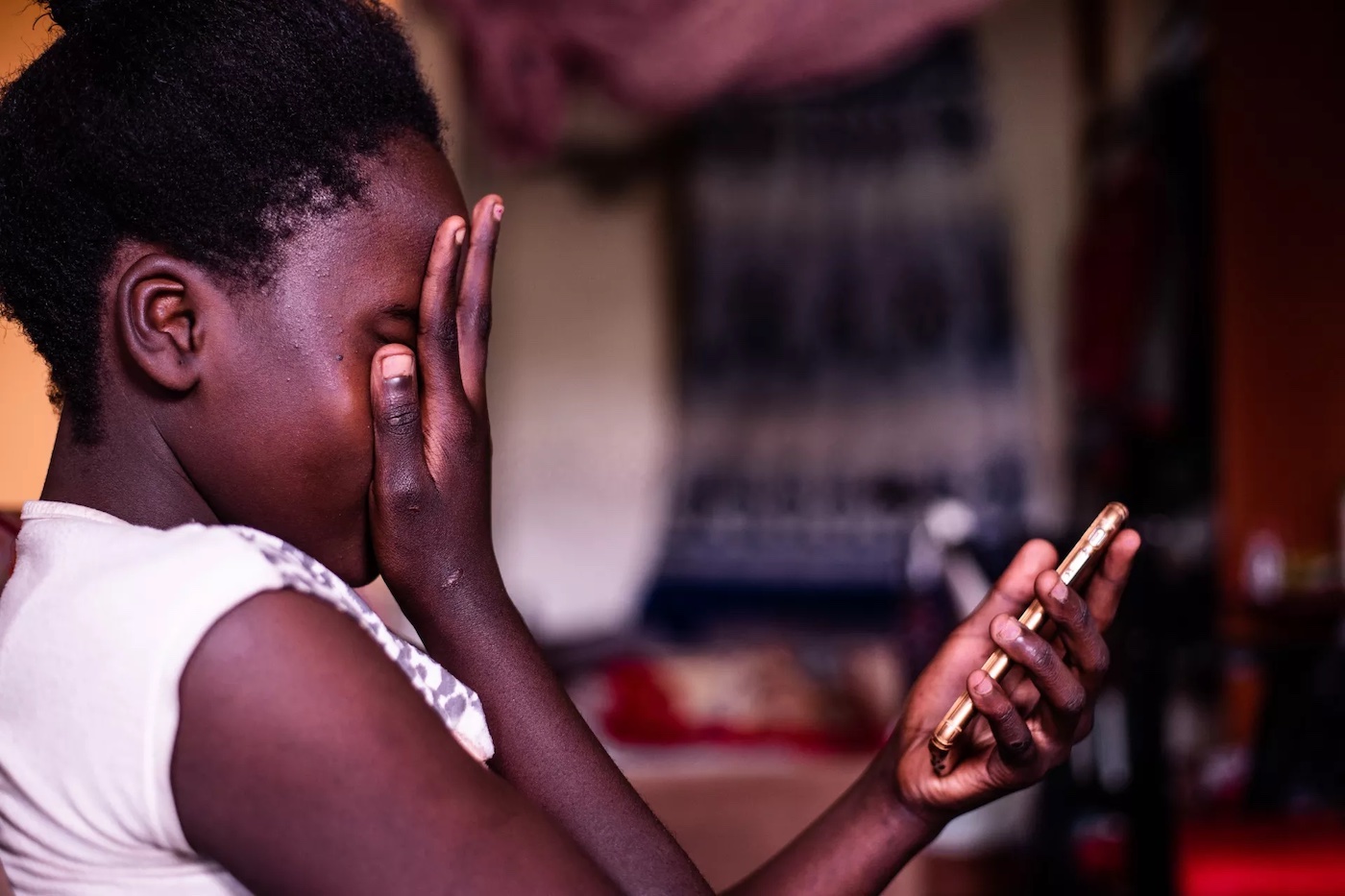
A new report has revealed a worrying trend of rising sèxual explo¡tation and abusé of children online in Kenya. The report released by ChildFund International Africa Region and Africa Child Policy Forum (ACPF) reveals that Kenya is a hotspot for sèxual abusé of children aged between 12 and 17 years.
According to the report, up to 13 percent of 12 to 17-year-olds surveyed in Kenya were threatened or blackmailed to engage in sèxual activities online, highlighting how deep the vice is taking root with increased access to technology tools and the internet.
The report surveyed other African countries where around a fifth of children under 17 have received unsolicited online requests to talk about sex or sèxual acts.
“The pervasive attitude that online cr¡mes are not real cr¡mes has created an atmosphere of virtual lawlessness,” says ACPF’s Executive Director, Dr Joan Nyanyuki. “Africa is witnessing a problem that is sharply on the rise, and the evidence shows that Africa may be the new frontier for online sèxual predators.”
> Epic Moment in Kisumu as Premier League Kicks off in Style
Even more alarming is the extremely young age of many vict¡ms of online sèxual explo¡tation and abusé. Although there are no studies showing the scale of online child séxual explo¡tation and abusé of children across the continent, one survey showed more than 60 percent of unidentified vict¡ms were young children, 65 percent of them girls.
Mr Chege Ngugi, Africa Regional Director at ChildFund says inadequate laws and services, including fledgling technology-based surveillance and underdeveloped digital forensics capacity have created a fertile ground for potential sèx cr¡minals. “The key question for African countries is whether or not they are adequately prepared to provide greater protection and safeguarding for children online,” Mr Ngugi says.
Among the findings highlighted in three new OSEAC policy briefs from the two organizations is that up to a third of children aged 12-17 in Ethiopia and Mozambique shared personal information with strangers online. “19 percent of children aged 9-17 in South Africa and 21 percent aged 15-17 in Uganda received unwanted online requests to talk about sèx or sèxual acts,” it says. “Up to 13 percent of 12-17-year-olds in Kenya and Mozambique were threatened or blackmailed to engage in sèxual activities online.”
On average, seven percent of children shared sexualized images of themselves online, while one-third of 9-17-year-olds in South Africa and over a quarter of 12-17-year-olds in Mozambique went onto a face-to-face meeting after an online contact.
“The impact of sèxual abusé and explo¡tation of children – whether physical or online – is enormous,” said Dr Nyanyuki. “Children are being severely damaged physically, psychologically and socially. Vict¡ms of online child sèxual explo¡tation and abusé often report experiencing feelings of anxiety, guilt and shame, loss of self-esteem, post-traumatic stress disorder, substance and alcohol abusé and deprèssion.”
The policy briefings also detail the multiple types of OSEAC perpetrator and the channels they use for their crim¡nal activities.
“The factors that drive OSEAC in Africa are very similar to those in other parts of the world,” added Mr Ngugi. “But Africa is the continent with the fast-growing number of internet users – a generally lawless space which encourages crim¡nals to commit these cr¡mes without fear of detection and prosècution. We urge technology companies to take decisive action in detecting, reporting, and swiftly removing child sèxual abusé materials from their platforms.”
The two organizations identify multiple crim¡nal pathways to OSEAC in Africa, including the production, distribution and possession of child pòrngraphy; online grooming of children; sexting; the sèxual extort¡on of children (‘sextortion’); revenge pòrngraphy; commercial sèxual explo¡tation; online child prost¡tution; and the live streaming of sèxual abusé.
“Across Africa, different policy measures have been designed and implemented to strengthen existing child protection systems and better protect children online,” noted Mr Ngugi. “However, progress is still hampered by limited evidence and understanding of online sèxual abusé and explo¡tation of children, lack of effective regulations and limited technological capabilities.”
> Standard Group CEO Unmoved After Journalist Launches Lone Protest














Leave a comment