

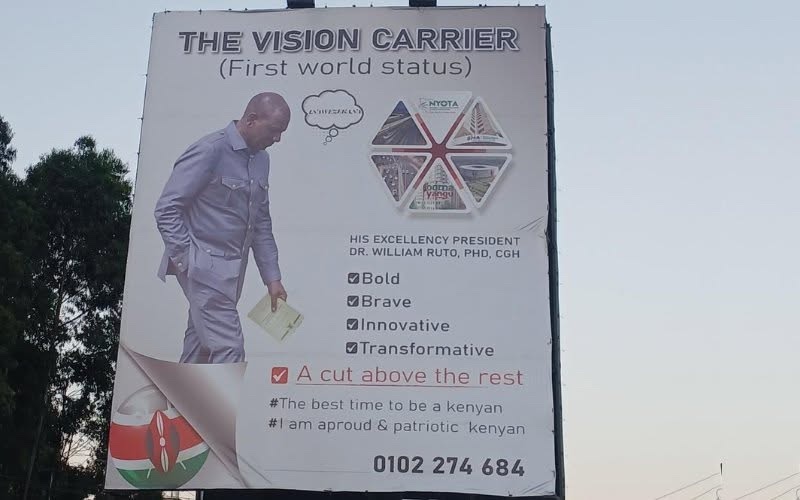
Kenyan media houses are likely to face a difficult balancing act in running political adverts as the country moves towards the 2027 General Election. They will have to strongly figure out on how to benefit from increased political advertising without becoming platforms for messages that could inflame political tensions, spread falsehoods or violate the law.
The Media Council of Kenya’s Guidelines for Election Coverage 2027 place greater responsibility on media organisations to scrutinise political advertisements and sponsored content before it reaches the public. The guidelines state that political advertising should not be exempted from the professional and legal standards governing election communication.
“Advertisements containing hate speech, incitement to violence, unlawful discrimination, defamation or other prohibited content should not be published or broadcast,” the guidelines indicate.
This position presents an important challenge for media businesses. Election periods traditionally bring increased political advertising as candidates, political parties and other actors seek to reach voters through various media platforms. The commercial value of political advertising does not remove the editorial responsibility of the media organisation carrying it.
Related >> Will the Opposition, For Once, Overcome Unity Jinx in 2027 Elections
The MCK guidelines require paid political communication to be clearly distinguishable from independent editorial content and properly identified as sponsored or paid material. Media organisations are also expected to have transparent procedures for accepting, reviewing and placing political advertisements. This effectively places a gatekeeping responsibility on media houses.
A political party or candidate may be willing to pay for space or airtime, but payment alone does not guarantee publication. The media organisation remains responsible for what it puts before its audience.
This distinction is critical as the 2027 campaign intensifies. Kenyan elections have historically been characterised by highly charged political rhetoric. Candidates and their supporters often resort to language that appeals to ethnic, regional or political identities. Social media has further accelerated the speed at which inflammatory messages can spread.
Media houses will need to examine not only the obvious content of an advertisement but also whether its language could encourage hostility or discrimination against individuals or communities. This could prove particularly challenging where political communication is deliberately framed in provocative language designed to attract attention.
A message may generate clicks, conversation and advertising revenue but also increase political tensions. The guidelines suggest that the public interest should take precedence over such commercial considerations.
Defamation is another cautious area. Political campaigns often generate accusations against opponents on corruption, incompetence, misconduct or other wrongdoing. While such claims can be matters of legitimate public interest, their inclusion in paid advertising does not automatically make them safe for publication.
The guidelines also have implications for sponsored content that may not immediately appear to be advertising. As political communication moves beyond conventional advertisements into influencer campaigns, branded content and digital platforms, audiences may find it difficult to distinguish between independent commentary and paid political messaging.
The MCK framework calls for disclosure where influencers and digital content creators disseminate election-related messages in exchange for compensation or another material benefit. Political advertising can provide significant revenue during an election period. However, media house that accepts harmful or unlawful political advertisements risks more than regulatory consequences. This could also damage its credibility with audiences.
Read >> Kakamega Senator Bonny Khalwale’s Laid to Rest in Ikolomani
The guidelines require media organisations to establish clear procedures for accepting, reviewing and placing political advertisements. Such systems can help ensure that decisions are based on consistent standards rather than the identity or financial influence of the advertiser.
The challenge will be particularly acute during the final stages of the campaign, when political competition is likely to become more intense and advertising demand more urgent. Media houses will have to decide whether an advertisement that is legally questionable, inflammatory or potentially harmful should be rejected, amended or subjected to further scrutiny.
Political advertisers will spend more money. However, under the new framework, that money will not give them an automatic right to use the media to spread hate, incite violence, discriminate, defame opponents or disseminate other prohibited content.
…………………………………….















Leave a comment