

Thousands of commuters in Kenya’s capital were left stranded Monday amid widespread disruptions to public transport, as sections of the matatu industry workers and investors withheld services despite an official announcement that a planned nationwide strike had been called off.
Commuters faced long queues, exorbitant fares from boda bodas and ride-hailing services, or lengthy walks to reach their destinations.
In some areas, including parts of the central business district and Westlands, operators halted services or staged demonstrations, prompting police to deploy tear gas in at least one instance to disperse crowds and clear roads.
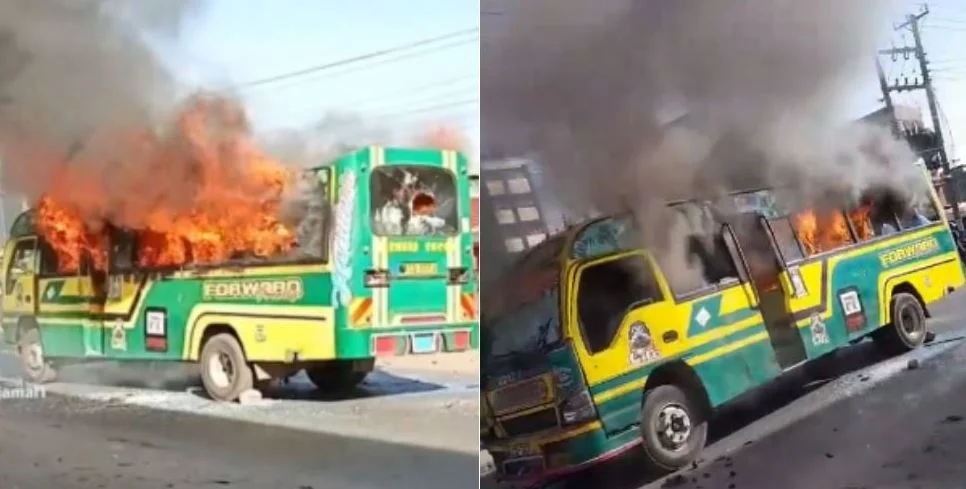
The unrest centers on a surge in road violence and vigilante-style attacks that operators say have made their work increasingly dangerous and unviable. Matatu associations have highlighted repeated incidents in which vehicles involved in accidents — often minor collisions with pedestrians, motorcycles or other road users — are set ablaze by mobs, frequently involving boda boda riders.
Reports indicate at least nine vehicles, including matatus, buses, trucks and private cars, were torched in January alone, with hotspots along routes like the Thika Superhighway, Juja Road and areas in counties such as Kiambu and Vihiga.
Operators describe these as routine traffic disputes that spiral into criminal arson, inflicting millions of shillings in losses, destroying livelihoods and instilling fear among drivers, conductors and passengers. They accuse authorities of inconsistent traffic enforcement, inadequate security and a failure to investigate or prosecute perpetrators, fostering a sense of impunity.
The Federation of Public Transport Sector (FPTS), representing key stakeholders including matatu, boda boda (motorcycle taxi) operators and others, had declared the action called off after consultations with security agencies, stating it would “give dialogue a chance” to resolve escalating tensions.
Yet reality on Nairobi’s streets continues to tell a different story. Along critical arteries like Thika Road, Kiambu Road, Outering Road and Waiyaki Way, matatus either operated erratically, stayed off the roads entirely or joined protests that blocked sections of highways.
The apparent defiance stems from fractures within the public transport sector. While the FPTS and some leaders endorsed the suspension to facilitate talks, other groups, including factions of matatu owners, drivers and cooperatives, rejected it as insufficient. They insisted that core demands remained unaddressed, viewing the suggested pause as premature without firm government commitments.
Follow Business Today Whatsapp channel for more news.














Leave a comment