


Kenya’s import bill rose sharply in the third quarter of 2025, largely driven by increased purchases of industrial machinery, iron and steel, and vehicles, pointing to renewed activity in construction and manufacturing.
Data from the Kenya National Bureau of Statistics (KNBS) shows that total imports stood at Sh725 billion in the three months to September, representing a 7.4 per cent increase compared to the same period in 2024. The rise was mainly attributed to higher spending on capital goods and industrial inputs.
Expenditure on imported industrial machinery nearly doubled during the quarter, recording a 94.8 per cent increase. Imports of iron and steel rose by 41 per cent, while spending on road motor vehicles increased by 29.1 per cent, reflecting sustained demand from infrastructure projects and private sector investment.
The value of machinery and other capital equipment climbed from Sh96.3 billion in the same quarter last year to Sh139.1 billion in Q3 2025. Economists note that such growth in capital goods imports typically signals business expansion and preparation for higher future production.
This trend aligned with broader economic performance during the period. The construction sector rebounded strongly, growing by 6.7 per cent, while manufacturing activity remained steady with a growth rate of 2.5 per cent, supported by increased availability of equipment and industrial materials.
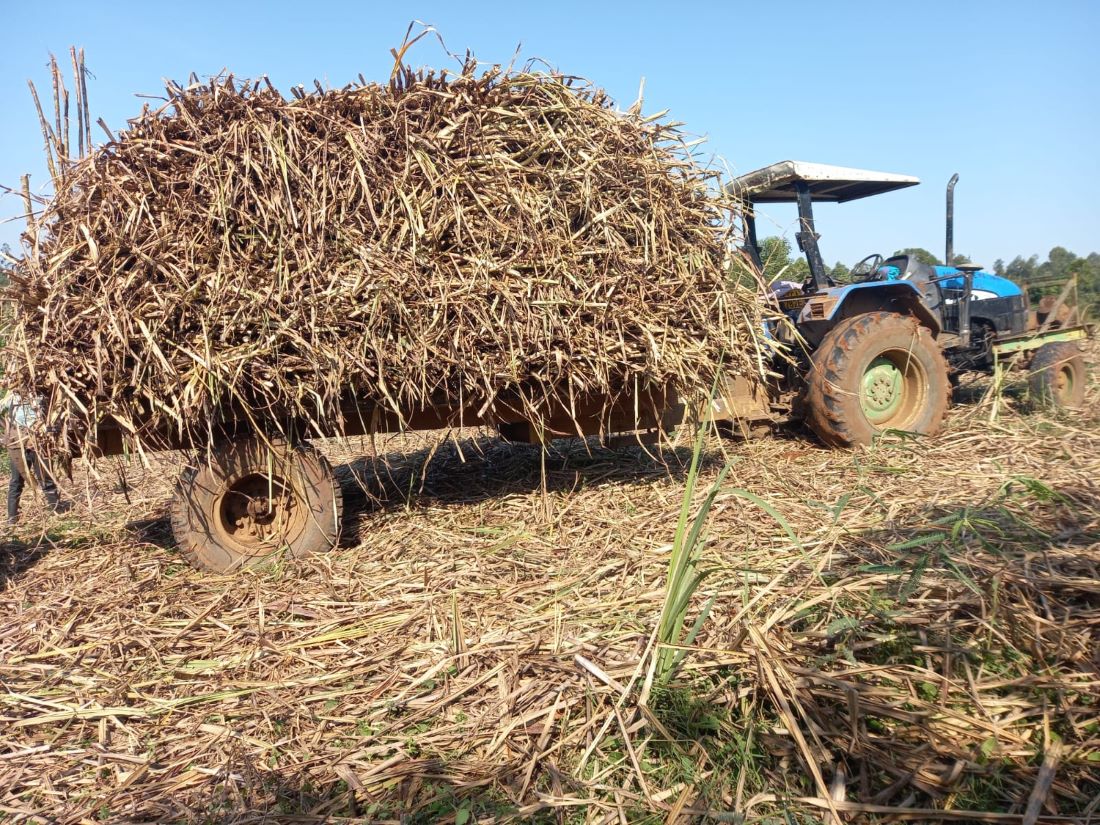
Despite the focus on industrial imports, the country continued to rely heavily on external food supplies. Imports of sugars, molasses, and honey surged by 88.4 per cent, underlining ongoing gaps in domestic food production.
At the same time, several key import categories recorded declines. Imports of medicinal and pharmaceutical products dropped by 32.1 per cent, while chemical fertilisers fell by 29.7 per cent. Wheat imports declined by 19.8 per cent, and petroleum products recorded a modest 5.8 per cent reduction.
An analysis based on Broad Economic Categories showed that non-food industrial supplies accounted for the largest share of total imports at 34.4 per cent, after rising by 9.4 per cent compared to last year. This highlights the growing weight of industrial inputs in Kenya’s trade structure.
Overall, the import trends in the third quarter of 2025 point to increased investment in productive sectors, even as higher import spending continues to exert pressure on the country’s trade balance.













Leave a comment