

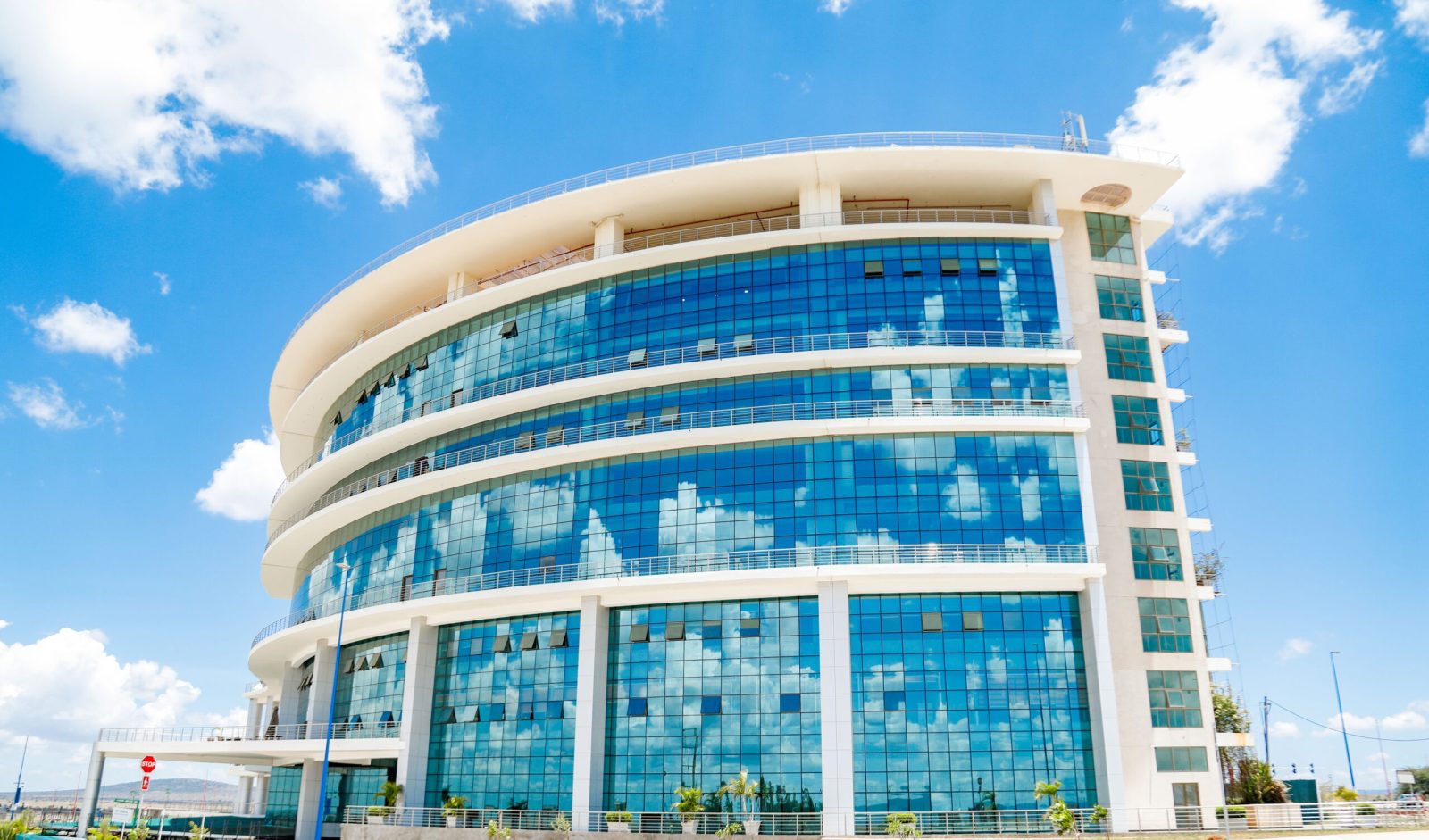
Konza Technopolis has secured a major regulatory boost after the Kenya Revenue Authority (KRA) gazetted the technology city as a Customs Area and assigned it a customs code, bringing it closer to full operation as a Special Economic Zone (SEZ).
The approval is expected to make it easier for companies operating within the zone to import and move goods, machinery and production materials while improving the efficiency of customs procedures.
The development addresses an important requirement for businesses considering Konza as an investment destination. Companies involved in manufacturing, technology and industrial production often depend on imported equipment and raw materials. Complicated customs processes and delays can increase their operating expenses and affect production timelines.
By establishing Konza as a Customs Area, the government is putting in place an administrative framework intended to support the movement of goods into and out of the Special Economic Zone.
The development also strengthens the investment proposition of a project that has been positioned as one of Kenya’s flagship technology and industrial developments.
Konza Technopolis was designated a Special Economic Zone in July 2019, with the government seeking to develop it into a centre for technology, innovation, manufacturing and investment.
The SEZ designation was intended to provide a framework for attracting businesses and supporting economic activities. However, investors also require practical systems that allow them to conduct business efficiently, including access to infrastructure, reliable services and predictable regulatory procedures.
The latest approval by KRA is part of the process of putting these systems in place.
Konza Technopolis
Technopolis Development Authority Chief Executive Officer John Paul Okwiri said the customs designation would help address a critical requirement in making the zone fully operational.
“The gazettement of Konza Technopolis as a Customs Area and the allocation of a customs code is a significant step towards making our Special Economic Zone fully operational. It will facilitate the movement of goods, simplify customs processes and create a more enabling environment for investors seeking to establish and expand their operations at Konza Technopolis,” said Okwiri.
He explained that the development complements ongoing efforts to provide investors with the infrastructure, services and regulatory support needed to establish and operate businesses within the city.
Okwiri also acknowledged the cooperation between government agencies, particularly KRA and the Special Economic Zones Authority, in advancing the operationalisation of the investment zone.
“This milestone demonstrates the importance of collaboration among government institutions in creating an attractive and competitive investment environment,” he said.
For potential investors, the customs arrangement could be particularly relevant to businesses that regularly bring in specialised equipment, electronic components, machinery and other industrial inputs. Easier customs administration can help companies manage supply chains and reduce disruptions associated with moving goods across borders.
The development could also improve Konza’s appeal to international companies looking for locations from which to establish manufacturing, technology and other commercial operations in the region.
However, the customs approval is one component of a much wider investment equation. Businesses will also consider infrastructure, access to skilled workers, energy costs, transport connections, market access and the time required to establish operations.
Konza’s ability to convert regulatory progress into actual investments will therefore be measured by the number of companies setting up operations, the jobs created and the commercial activities taking place within the zone.
The government intends to use the development to support Kenya’s transition towards a knowledge-based economy, where technology, innovation and industrial production play a greater role in economic growth.
With the customs framework now in place, Konza Technopolis has taken another step towards that ambition, as it seeks to move from a planned smart city into a functioning centre of business and investment.









Leave a comment