

The National Bureau of Statistics (KNBS) has confirmed a fresh rise in the cost of key household items between October and November 2025, forcing many Kenyan families to readjust their budgets once again.
According to the latest data, food prices remain the biggest driver of the monthly inflation uptick, piling more pressure on already strained household finances.
The KNBS report, released on Friday, November 28, 2025, shows that although overall inflation rose only slightly, key everyday expenses such as food, transport and household utilities continued to shape the cost of living.
These categories also carry the most weight in the inflation basket.
“The price increase was primarily driven by a rise in prices of items in the Food and Non-Alcoholic Beverages (7.7 per cent); Transport (5.1 per cent), and Housing, Water, Electricity, Gas and other fuels (1.9 per cent) over the one year.
These three divisions together account for over 57 per cent of the total weight across the 13 major expenditure categories,” the statement reads.
“The overall index increased from 146.84 in October 2025 to 147.08 in November 2025, resulting in a monthly inflation rate of 0.2 per cent. The year-on-year inflation rate stood at 4.5 per cent in November 2025, a slight decline from an inflation of 4.6 per cent in October 2025,” KNBS stated.
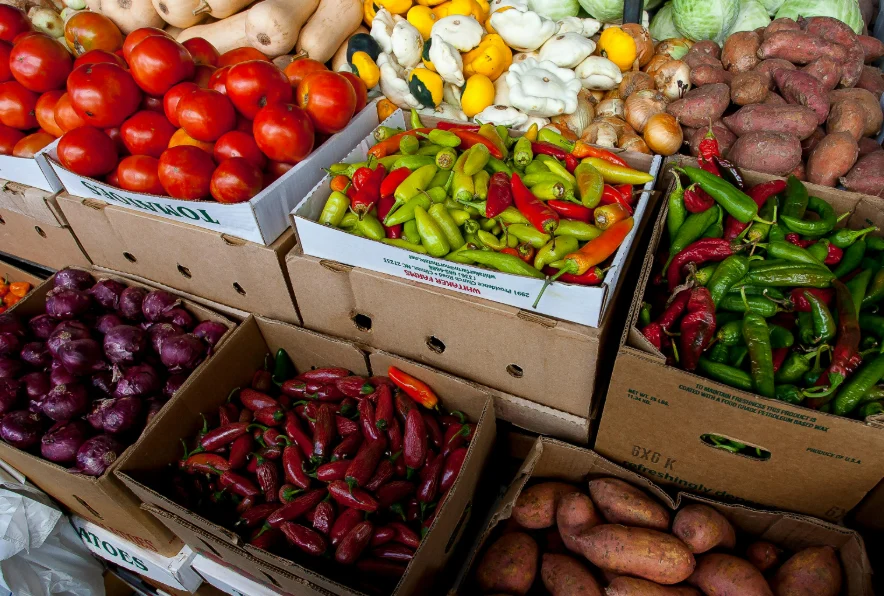
The latest data shows that while some items became cheaper, several essentials increased month-on-month. Onions rose sharply from Ksh 95.95 to Ksh 107.86, while sukuma wiki climbed to Ksh 94.07 from Ksh 91.56. Oranges also became more expensive, rising from Ksh 115.53 to Ksh 118.86. Cooking oil recorded a small increase from Ksh 343.44 to Ksh 345.27 per litre.
There were a few price drops that offered relief. Tomatoes fell significantly to Ksh 65.70 from Ksh 87.88. Sugar eased from Ksh 184.95 to Ksh 182.23, and maize flour (sifted) reduced slightly to Ksh 143.96 from Ksh 148.79. Potatoes stayed stable at Ksh 92.34.
Compared to last year, some staple foods have risen sharply. Oranges cost 12.7 per cent more than in 2024, while onions have increased by 16.1 per cent.
Electricity charges moved in different directions. The 50 kWh tariff reduced from Ksh 1,315.80 to Ksh 1,293.82, while the 200 kWh tariff saw only a small decline.
Transport costs inched up by 0.4 per cent from October. Fuel prices remained steady, but long-distance fares continued rising, with a 9.1 per cent increase over the year.
Even though the overall inflation rate remains modest, the rising prices of food items continue to dictate how families plan their monthly spending.
Food and non-alcoholic beverages, which carry the highest weight in the inflation index at 32.9 per cent, recorded a 7.7 per cent increase and remain the strongest contributor to higher household expenses.















Leave a comment