

Kenyans ended 2025 facing a mixed cost-of-living situation as prices of key household goods and services moved in different directions, pushing the annual inflation rate higher.
Data released by the Kenya National Bureau of Statistics (KNBS) shows that inflation rose to 4.5 per cent in December 2025, higher than the rate recorded in December 2024.
The increase was driven mainly by higher prices of food, transport, and select consumer services, even as some categories offered limited relief.
According to the Kenya Consumer Price Index and Inflation Report published on Wednesday, December 31, the movements in prices were recorded both every month, between November and December 2025, and over the full year.
Food prices
Food and non-alcoholic beverages remained a major source of pressure for households. Prices in this category increased by 0.8 per cent in December, driven largely by higher costs of staple foods.
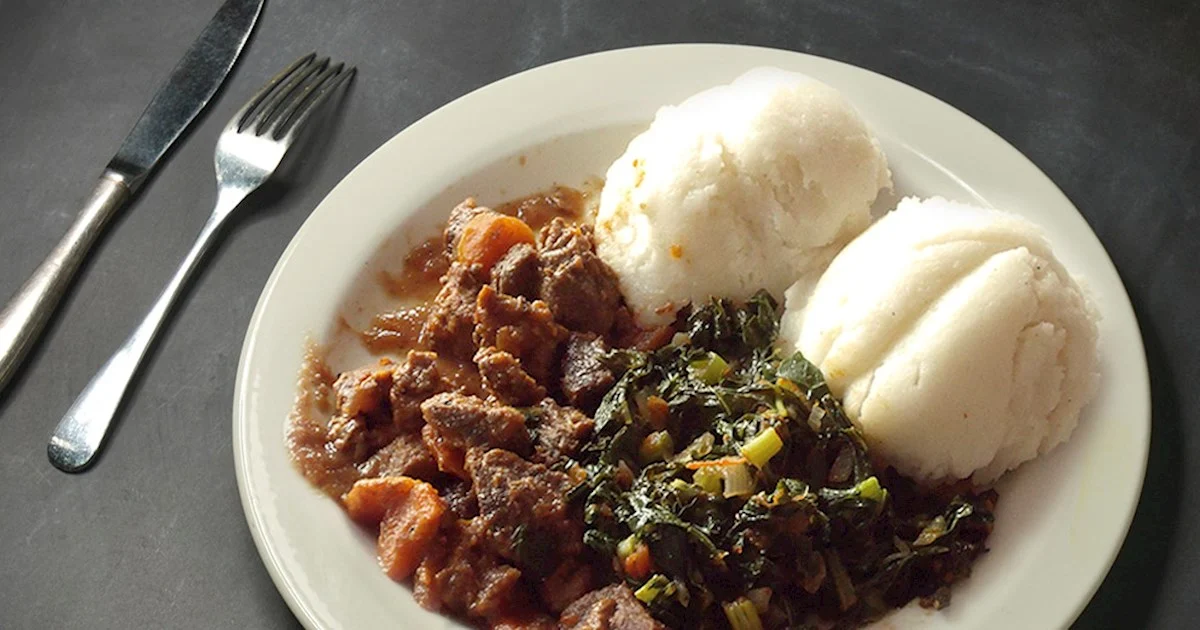
Vegetables and cereals recorded notable increases, with sukuma wiki becoming more expensive by 4.7 per cent, loose maize flour rising by 5.1 per cent, and potato prices going up by 2.9 per cent. These items are widely consumed across the country, especially by low- and middle-income households.
However, consumers experienced some relief from falling prices of select items. Sugar prices declined by 1.5 per cent, cooking oil dropped by 0.7 per cent, while mango prices fell by 1.6 per cent during the same period.
On an annual basis, food prices rose sharply, with the Food and Non-Alcoholic Beverages index increasing by 7.8 per cent over the twelve months to December 2025, highlighting sustained pressure on household food spending.
High travel costs during festive season
Transport costs recorded one of the steepest monthly increases, rising by 1.9 per cent between November and December 2025. The increase was largely linked to higher travel demand during the festive season.
Inter-town travel became more expensive, with country bus and matatu fares increasing by 5.3 per cent. International air travel costs surged by 14.4 per cent, reflecting increased holiday travel and higher operational costs in the aviation sector.
Over the year, the transport index rose by 5.2 per cent, adding to the overall inflationary pressure faced by commuters and travellers.
Electricity prices offer modest relief
The housing, water, electricity, gas and other fuels category recorded a slight monthly decline of 0.1 per cent, providing some relief to consumers.
Electricity prices dropped by 2.8 per cent for households consuming 50 kilowatt-hours and by 2.6 per cent for those using 200 kilowatt-hours. This helped cushion households against rising costs in other areas.
However, gas and LPG prices edged up by 0.4 per cent during the month. Over the twelve months to December 2025, prices in this category increased by 1.6 per cent.
Alcohol, clothing and household services record mild increases
Prices of alcoholic beverages, tobacco and narcotics rose by 0.2 per cent in December. Traditional beer prices increased by 5.5 per cent, while spirits recorded a modest rise of 0.5 per cent. Miraa prices, however, declined slightly by 0.1 per cent. On an annual basis, prices in this category increased by 2.8 per cent.
Clothing and footwear prices went up by 0.5 per cent, with women’s dresses recording a 0.7 per cent increase. In contrast, prices of boys’ sports shoes declined by 0.3 per cent. Over the year, the category recorded a 1.5 per cent increase.
Furnishings and household maintenance costs rose slightly by 0.1 per cent. While laundry soap prices declined by 0.2 per cent, wages for household workers increased, with gardener wages rising by 1.6 per cent and domestic servant wages increasing by 0.3 per cent. Annually, prices in this category rose by 1.6 per cent.
Health costs edge up
Health-related expenses increased by 0.2 per cent in December. Prices of medicines used to manage cholesterol and blood pressure rose by 0.2 per cent, while antibiotic prices increased by 1.8 per cent. General practitioner consultation fees also went up by 0.4 per cent.
Over the twelve months to December 2025, the health index increased by 2.6 per cent.
The December 2025 inflation data paints a picture of continued pressure on Kenyan households, driven mainly by rising food and transport costs.
While lower electricity prices and selective declines in consumer goods provided some relief, the overall trend points to persistent cost-of-living challenges as the country enters 2026.














Leave a comment