

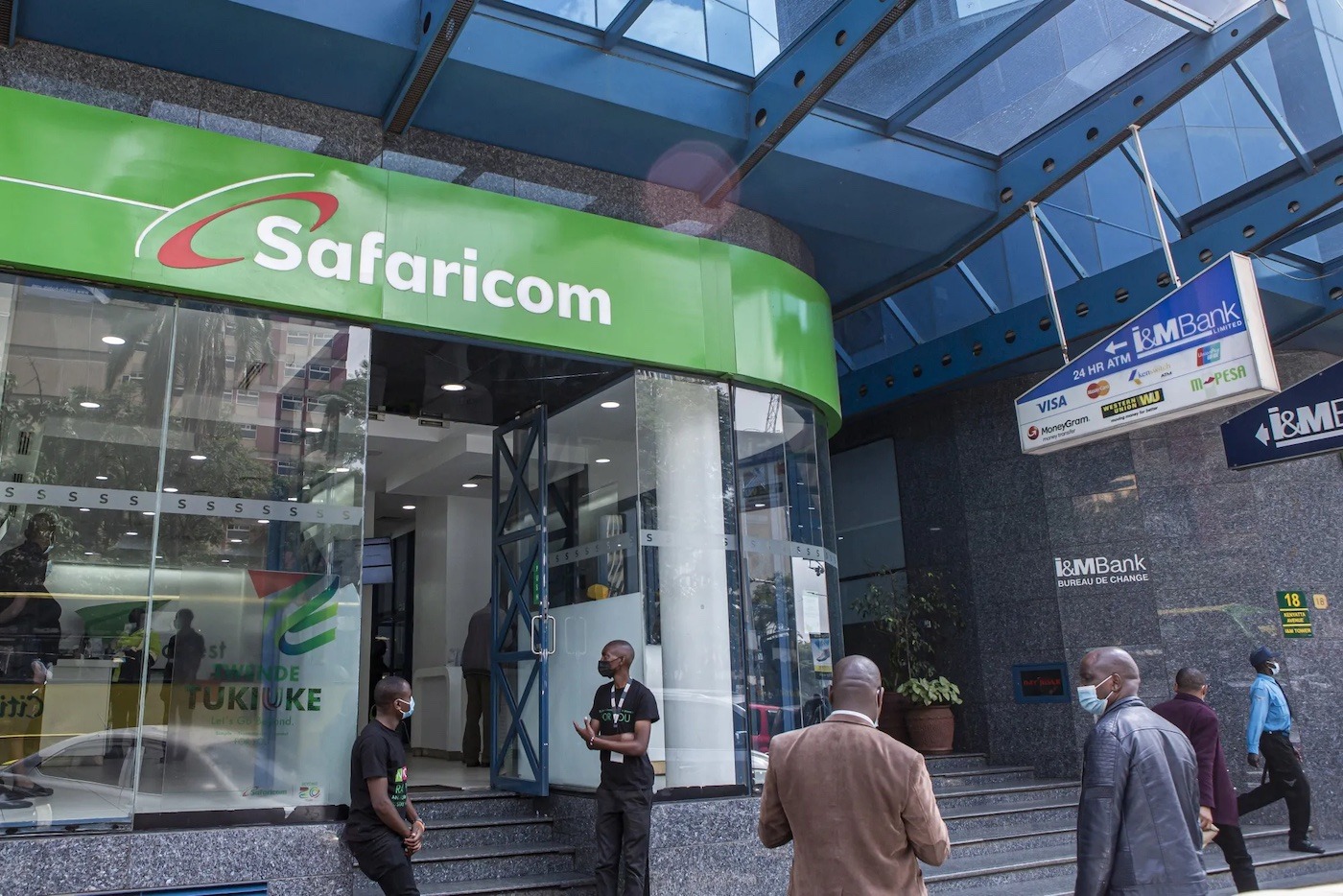
Kenya Government announced on December 3, 2025, that it had agreed to sell its 15% stake in Safaricom Plc to Vodafone Kenya, for approximately KSh 244.5 Billion.
Over the past decade, Kenya has built highways, railways, airports, and energy grids through aggressive borrowing. The infrastructure is real. So is the debt. The question was never whether the country needed to unlock capital from state-owned enterprises. The question was: what would it do with that capital once unlocked?
The Government has committed to channel proceeds from the Safaricom stake sale into the newly established Infrastructure Fund, alongside plans for a Sovereign Wealth Fund designed to ensure intergenerational equity and protect future generations from being left poorer.
These are not theoretical frameworks. They are legislated, structured financial instruments with clear mandates: stabilize, invest, multiply.
Kenya Government Ownership Structure in Safaricom After Offload
Vodafone Kenya will acquire 15% Safaricom from the Kenya Government by purchasing over six billion shares at KSh 34 shillings per share. That price represents an 18.4% premium above the 90-day volume-weighted average price and a 33.9% premium over the 180-day average on the Nairobi Securities Exchange(NSE).
This is not a distress sale. It is a premium exit.
Additionally, Vodafone Kenya will pay the government KSh 40.2 billion upfront for the right to receive future dividends from the state’s remaining 20% stake. The Government monetizes future income streams today, converting predictable annual payouts into immediate development capital.
What the New Ownership Structure Will Look Like
After the transaction closes, Vodacom Group will own 55% of Safaricom, achieving majority control for the first time since Safaricom’s 2008 listing. Public investors will have a 25% stake while the Government will retain 20%, a strategic minority stake while remaining a major shareholder. The Government will continue to earn dividends on that 20%. The State has already earned more than KSh 540 billion in dividends since Safaricom’s inception—a return far exceeding its original investment.
Kenya Government Winnings:
For 40 years, African governments have sold state assets only to watch proceeds disappear into operational budgets, debt servicing, and recurrent expenditure. Kenya Pipeline Company Limited, Kenya Airways, Telkom Kenya, Hotels—the pattern has been consistent: sell, spend, sink deeper.
The Infrastructure Fund changes the equation. Privatization proceeds are no longer consumed—they are capitalized. The fund is designed to attract long-term investors: pension funds, sovereign partners, private equity, and development finance institutions. For every shilling invested from privatization, the country aims to attract ten shillings from institutional capital.
This is the multiplier effect that builds nations.
Kenya Government Does a Premium Sale, not a Distress Sale:
The purchase price of KSh 34 shillings per share reflected a 21% premium over Safaricom’s closing price the day before the announcement. In any other context, this would be celebrated as shrewd negotiation and strong market positioning.
Vodafone did not acquire Safaricom shares at a discount. It paid significantly above market value to secure control—a clear signal that Safaricom’s intrinsic worth and future growth potential are robust. Thus, the Nairobi Government exited at the top and not the bottom.
Kenya Treasury Position on the Deal
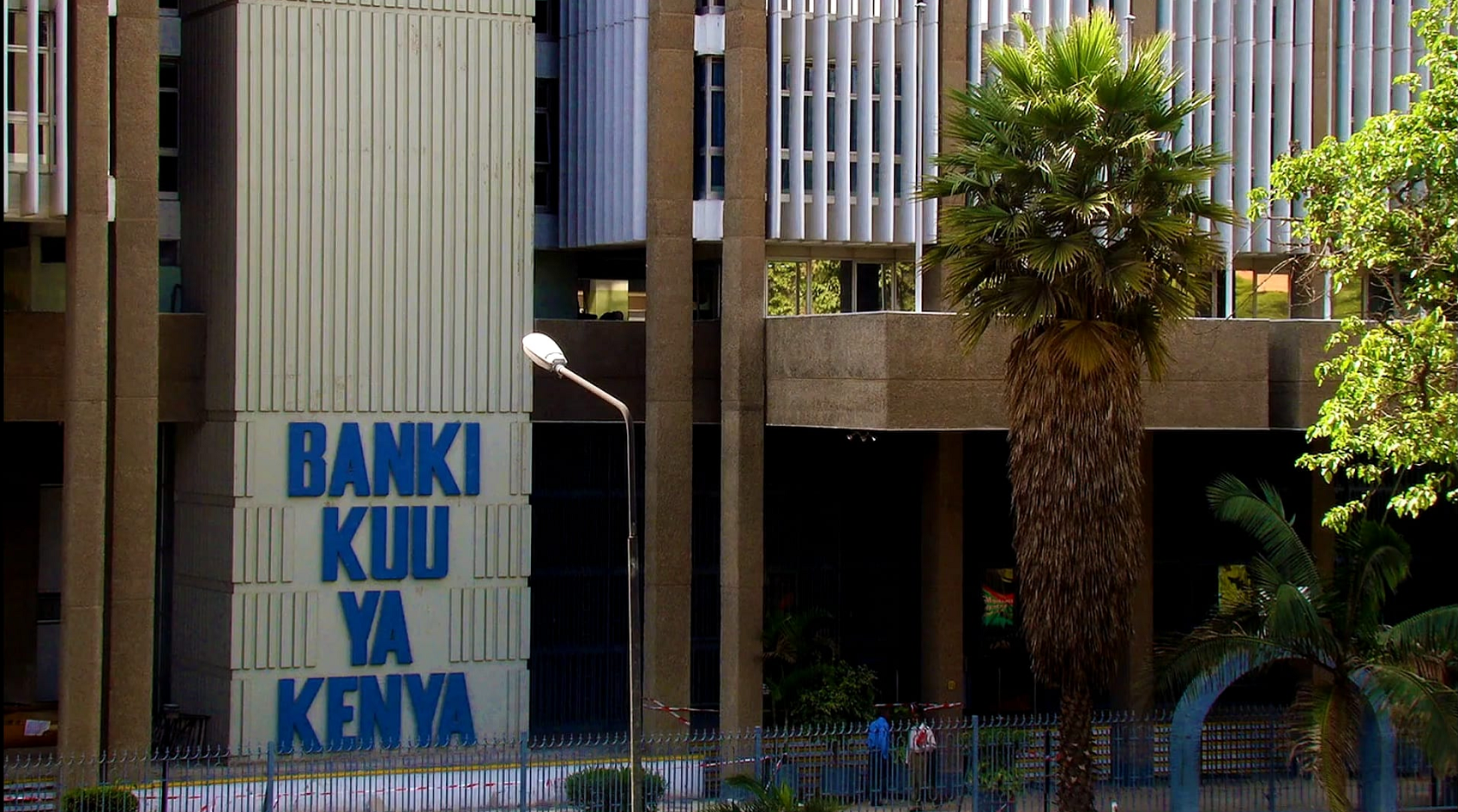
Treasury Cabinet Secretary Hon John Mbadi emphasized that this is a shareholder-level adjustment, not an operational takeover. Safaricom’s management and Board continue running day-to-day operations. Regulatory oversight by the Communications Authority of Kenya (CA), the Central Bank of Kenya, and the Capital Markets Authority -remains intact.
The Country’s digital sovereignty is not at risk. Data protection laws still apply. Cybersecurity regulations remain in force. M-PESA Africa, which holds 91 percent market share in mobile money, continues to operate under Kenyan law. Vodafone gained majority shareholding—not operational control of national infrastructure.
Kenya Unlocks Investment Without Borrowing
The KSh 244.5 billion from this transaction was not raised through Eurobonds, commercial loans, or bilateral debt. It came from converting equity into investable capital. No new taxes. No increased public debt. No austerity measures.
Instead, the country is converting a static asset into dynamic investment capacity. The Infrastructure Fund can now finance airports, energy projects, water systems, and road networks—projects that require at least KSh 5 trillion to meet the country’s development targets.
The fiscal mathematics is simple: leverage what you own to build what you need without mortgaging what you’ll earn.
This is a strategic partnership, not a divorce
Vodafone’s entry as a majority shareholder in Safaricom Plc brings tangible benefits:
Continental network scale: Vodafone operates across multiple African markets, giving Safaricom potential expansion pathways into Tanzania, South Africa, and beyond through Vodacom Group.
Capital for expansion: Vodacom Group paid KSh 68.1 billion to consolidate full ownership of Vodafone Kenya, demonstrating serious capital commitment to the region.
Technology and R&D access: Vodafone’s global infrastructure means Safaricom can tap into next-generation telecommunications research, AI integration, and digital financial services innovations
Operational efficiency: Vodacom’s experience managing Safaricom’s 40 per cent stake since 2008 has been marked by consistent profitability and market leadership. Safaricom posted nearly KSh70 billion in net profit for 2024, with revenue growing steadily year over year.
The country gains a partner with deep pockets, continental reach, and proven execution capacity. Safaricom becomes stronger, not weaker.
The East African nation still owns 20% of Safaricom and will continue earning dividends. It has already earned over KSh 540 billion in dividends since the company’s founding—far more than its initial investment. Ownership has shifted, but Kenya remains a strategic shareholder with ongoing financial benefits.
Regulatory authority over telecommunications, data, payments infrastructure, and cybersecurity remains with Kenyan institutions. The government will fulfil all statutory disclosure obligations through the Capital Markets Authority and the Nairobi Securities Exchange PLC, ensuring full transparency and compliance.
Vodafone does not control Kenya’s spectrum allocation, data protection laws, or financial services regulation. The state does.
Kenya Makes Choices on National Assets
Kenya could have kept 35% of Safaricom and watched budget deficits grow, debt service costs rise, and infrastructure projects stall. Instead, it chose to unlock capital, multiply investment, and build enduring national assets.






Leave a comment