


Kenya Power sector is undergoing one of its biggest structural reforms in decades after Energy and Petroleum Regulatory Authority(EPRA) gazetted the Energy (Electricity Market, Bulk Supply and Open Access) Regulations, 2026, regulations that ends Kenya Power’s monopoly over large electricity consumers.
Under the new framework, power producers such as Kenya Electricity Generating Company(KenGen) and Independent Power Producers (IPPs) will now be allowed to sell electricity directly to large industrial and commercial consumers instead of routing all supply through Kenya Power.
The producers will still use transmission and distribution infrastructure owned by Kenya Power and KETRACO, but will pay “wheeling charges” for access to the grid.
These new regulations primarily target high- end consumers, including manufacturers, Industrial parks, data centres, commercial enterprises, mining and processing plants and large institutions and factories.
Kenya Power losing monopoly status, why this matters
With the new rules, large consumers may now negotiate cheaper and more flexible electricity contracts directly with producers, potentially lowering industrial production costs.
Kenya’s manufacturing competitiveness could improve significantly if energy costs decline, especially in export-oriented sectors.
The reforms may accelerate investment into energy-intensive sectors such as steel, cement, agro-processing, ICT infrastructure, and AI/data centre development.
Kenya Power now faces direct competition for some of its most profitable customer segments, increasing pressure on the utility to improve efficiency, pricing, and service delivery.
Generators such as KenGen reduce overdependence on a single off-taker, particularly important given historical payment delays and debt pressures within the power sector.
KPLC’s power sector reforms also align Kenya more closely with liberalized electricity markets globally, where open-access systems allow multiple suppliers to compete for customers while sharing national grid infrastructure.
However, this transition in the power sector also brings with it significant risks.
Industrial and commercial consumers contribute a disproportionately large share of KPLC revenues. If many of these customers migrate to direct supply agreements, Kenya Power could face reduced cash flows, potentially affecting retail tariffs, debt servicing, and future infrastructure investments.
The World Bank had previously cautioned that poorly managed market liberalization could increase financial pressure on the utility and shift costs toward smaller consumers over time.
Strategically, the reforms signal Kenya’s broader push towards industrialization, private sector-led infrastructure growth; competitive energy markets; regional manufacturing leadership; and large-scale foreign direct investment attraction
Analysts view is that if implementation succeeds, the envisaged reforms in the power sector could reshape Kenya’s economic competitiveness over the next decade.
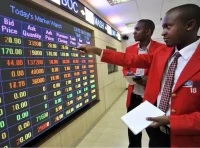
Nairobi Securities Exchange(NSE) investors in power–sector stocks market may initially react negatively as investors price in the potential loss of some of KPLC’s largest and most profitable industrial customers.
Investment bankers warn that this could lead to short-term panic selling as well as increased volatility as the market reassesses Kenya Power’s long-term revenue structure.
However, if the KPLC stock experiences sharp dips, long-term investors may view this as a strategic accumulation phase, particularly if future restructuring improves operational efficiency and retail market positioning.
For KenGen, the reforms could shift investor sentiment from the current mixed outlook toward a more positive medium-term view. This is due to greater flexibility to directly supply large consumers; reduced dependence on a single off-taker (Kenya Power), potential improvement in revenue quality and cash flow visibility and stronger positioning in a liberalized electricity market.
KenGen Counter could experience a positive sentiment-driven rally if the market begins pricing in direct supply opportunities and stronger margins.
For medium-term traders, the likely outcome is profit-taking. Long term investors are being advised to avoid chasing sharp price spikes upward and instead focus on disciplined entries and long-term positioning as the market digests the reforms.
ALSO READ: Kenya Power Half Year Net Earnings Up 4.3% to KSh 10.4 Billion












Leave a comment