

Kenyans heading to polling stations for the 2027 General Election will be allowed to carry their mobile phones, but the devices will not be permitted for photographing marked ballot papers.
The Independent Electoral and Boundaries Commission (IEBC) says the restriction is intended to protect the secrecy of the vote and prevent voters from being pressured to prove which candidate they supported.
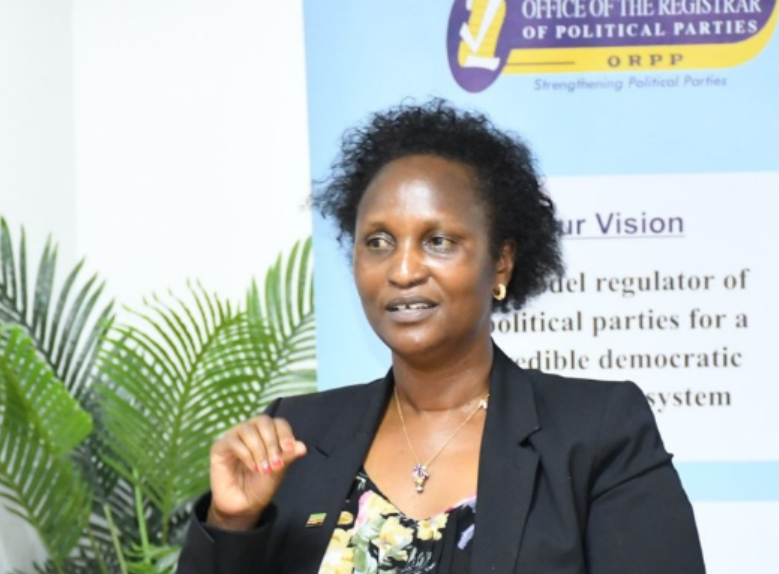
IEBC Commissioner Ann Nderitu explained the position during an interview on Citizen TV on Sunday night, saying the restriction specifically targets photographs that could reveal how an individual voter cast their ballot.
“The only thing that you cannot take a photo of is the photo of the ballot paper when somebody is voting,” Nderitu said.
She explained that the rule is based on the constitutional requirement that elections in Kenya must be conducted through a secret ballot.
The concern is that allowing voters to photograph their marked ballot papers could make it possible for someone to demand photographic proof of a person’s choice. Such a situation could expose voters to intimidation, coercion or attempts to influence their decisions through money or other incentives.
Nderitu said the IEBC had already used administrative measures during recent by-elections to ensure voters cast their ballots privately and left polling stations without photographing their marked ballots or those belonging to other voters.
The same measures will be applied during the 2027 General Election as the commission seeks to protect the privacy of voters across the country.
However, the restriction does not amount to a blanket ban on mobile phones at polling stations.
Nderitu said phones could still be used for legitimate election-related activities, particularly after voting and counting had been completed.
Election agents and observers, for instance, will be allowed to photograph official results forms once the votes have been counted, the results announced and the forms completed.
“When it comes to the counting of votes, we even allow the agents to take the photo of the form,” she said.
The distinction between the ballot paper and the results form is important. A marked ballot paper shows the choice made by an individual voter, while a results form records the total votes received by candidates at a particular polling station.
The IEBC says the results forms are public documents once the counting and declaration process has been completed.
“Immediately the results are tallied and counted and the result forms are filled, they become public document,” Nderitu said.
Copies of the completed forms are expected to be displayed at polling stations, while the results will also be made available through the IEBC’s results portal.
The arrangement allows political parties, election observers, journalists and ordinary members of the public to compare results from individual polling stations and follow the transmission of results.
Nderitu also reiterated the legal position on results declared at polling stations, saying they are final under the law. Where an agent or observer believes there is an error, the concern can be recorded and raised through the appropriate electoral dispute process.
The original result, however, cannot simply be changed at the polling station because a candidate or agent disagrees with it.
The clarification comes as the IEBC intensifies preparations for the August 10, 2027 General Election. The commission is expected to continue with voter registration, voter education and public sensitisation as the country moves closer to the polls.
For voters, the main difference will be between documenting the election process and documenting an individual’s vote. While phones can be useful in recording official results after they have been announced, voters will not be allowed to use them to create photographic evidence of how they voted.
The IEBC says the rule is ultimately meant to ensure that every Kenyan can make a choice at the ballot box without having to reveal that choice to anyone else.








Leave a comment