

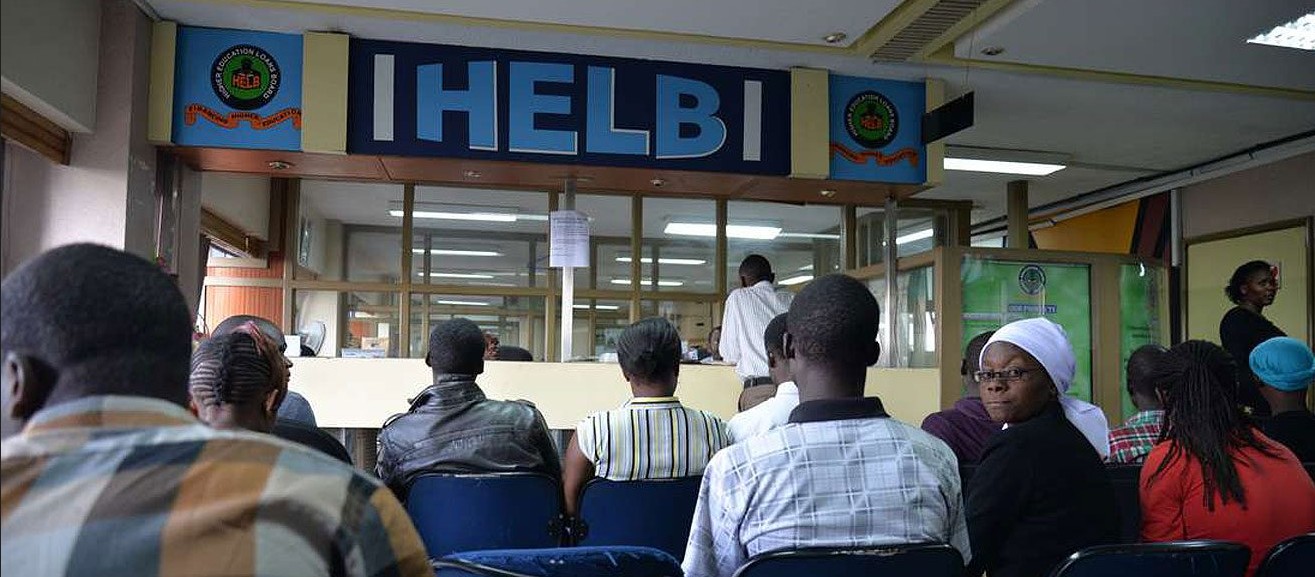
Education stakeholders in western Kenya are urging Parliament to drop a proposed 4% annual interest charge on outstanding student-loan balances, warning that the measure could leave graduates with heavier financial obligations after completing their studies.
The proposal emerged during public hearings by the National Assembly Departmental Committee on Education on six education-related Bills in Bungoma and Busia counties.
At Alupe University in Busia, stakeholders argued that loans issued to students from low-income households should be interest-free, saying many beneficiaries depend on the funds to cover tuition, accommodation and basic living expenses.
“The current loan interest of 4 per cent per annum on the outstanding balance, in addition to a KES 1,000 ledger fee, is detrimental,” youth leader Harriet Opoma told the committee.
She said most students seeking government-backed education loans come from households with limited financial resources and depend on the loans to complete their studies.
The proposed financing framework has also drawn objections over the timing of loan repayments.
Under the Tertiary Education, Placement and Funding Bill, 2026, repayment would begin within one year after a student completes their studies, with applicable interest and other charges.
Stakeholders at Kibabii University in Bungoma argued that the repayment clock should instead be tied to employment.
Kibabii University Deputy Vice Chancellor for Academics and Student Affairs Joseph Ogendo proposed that graduates should begin repaying their loans within one year of securing employment, particularly where there is evidence of gainful employment.
The stakeholders said completing university or college does not necessarily mean that a graduate will secure a job within a year, making an automatic repayment deadline potentially difficult for unemployed graduates.
They also objected to a provision allowing authorities to recover up to 25% of a borrower’s emoluments.
Kibabii University proposed reducing the maximum deduction to 10%, with Ogendo arguing that a 25% deduction could place excessive pressure on graduates who are already struggling to establish themselves financially.
The Bill would introduce a new framework for financing tertiary education in Kenya. If enacted, the proposed Tertiary Education Funding Authority would assume functions currently performed by institutions including the Higher Education Loans Board, the Universities Fund and the TVET Funding Board.
The proposed 4% interest rate has become one of the issues attracting scrutiny as Parliament conducts nationwide public participation on the reforms.
The National Assembly Education Committee has heard calls from some stakeholders for student-loan interest to be eliminated altogether, while the Bill currently provides for an annual interest rate of 4%.
The consultations are expected to inform Parliament’s consideration of the proposed changes before the Bills proceed through the legislative process.
Important to note:
Currently, HELB undergraduate and TVET loans already attract 4% annual interest on the outstanding balance, plus a KES 1,000 annual ledger fee.
The 2026 Bill proposes to retain the 4% interest, but under a new tertiary education financing system that would replace HELB and other funding bodies with a proposed Tertiary Education Funding Authority. The Bill is still under consideration and public participation.
Also Read: List of All Paid Batch Numbers by HELB








Leave a comment