


Energy and Petroleum Cabinet Secretary Opiyo Wandayi has revealed that the government is racing to establish large-scale fuel storage facilities in a bold plan aimed at ending recurring shortage fears and protecting the country from global supply shocks.
Speaking on Monday, while appearing before a parliamentary committee, Wandayi said Kenya currently lacks strategic fuel reserves and remains heavily dependent on a just-in-time import system.
“We are yet to establish fuel reserves. We are working closely with private players who want to partner with the government on storage, but as of now, the country relies on fuel as it comes,” Wandayi stated.
The admission highlights a long-standing vulnerability in Kenya’s energy sector, one that has become more visible in recent months as global disruptions continue to affect supply chains.
Thin buffer, high risk
Kenya imports all its petroleum products, making it highly exposed to external shocks. According to the Kenya Pipeline Corporation, the country holds fuel that can last about 21 days under normal conditions.
In practice, the situation is even tighter.
For instance, a recent shipment of 60,000 metric tonnes lasted roughly 14 days before the next consignment arrived at the port of Mombasa. This leaves little room for error.
“While Kenya can technically import more fuel, the lack of large strategic reserves means the country has little room to absorb disruptions. Any delay in shipping, port handling, or distribution can quickly trigger panic in the market,” Wandayi explained.
Recent tensions in the Middle East have further complicated the situation, disrupting shipping routes and driving volatility in global oil prices.
Pressure on prices
The uncertainty has already raised concerns among motorists and businesses over possible price increases in the next review by the Energy and Petroleum Regulatory Authority (EPRA).
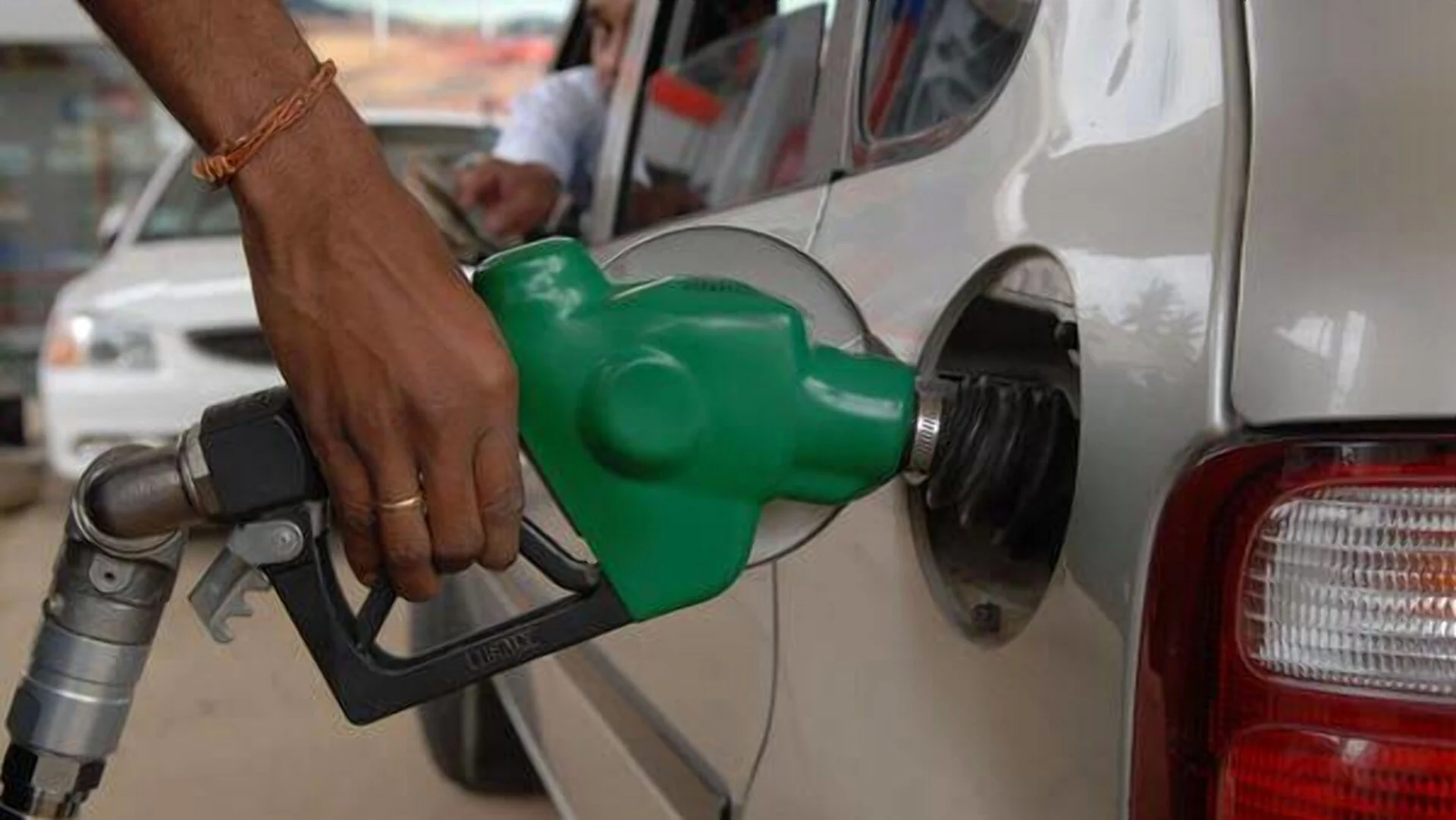
With Kenya relying on continuous imports, any global shock is quickly felt locally — often through higher pump prices and supply anxiety.
System weaknesses exposed
Beyond global pressures, internal challenges have also raised red flags.
A recent scandal involving the importation of substandard fuel led to arrests and resignations of senior officials in the energy sector. The incident exposed gaps in quality control, coordination, and overall supply chain management.
For many observers, it reinforced the need for a more stable and well-planned fuel system.
A shift to strategic reserves
Wandayi’s proposal seeks to address these weaknesses by introducing a structured fuel reserve system.
Under the plan, the government will partner with private investors to build and operate large storage facilities capable of holding fuel for extended periods. Part of this capacity will be reserved for national use during emergencies.
“The idea is not only to prevent shortages but also to shield Kenya from sudden global price shocks and supply disruptions that often ripple into the local economy,” he said.
The project will be implemented under a public-private partnership (PPP) model, a framework the government has increasingly adopted for major infrastructure projects.
What it means for Kenya
If successfully implemented, the plan could mark a major shift in how Kenya manages its fuel supply, moving from a reactive system to a more prepared and resilient one.
Countries with strategic fuel reserves are better able to cushion their economies during crises, stabilise prices, and avoid panic buying.
For Kenya, this could mean fewer shortages, more stable fuel prices, and improved confidence in the energy sector.
Wandayi noted that the move could position the country among a few African nations with strong fuel security systems.
For now, however, Kenya continues to operate on a narrow supply margin where even a short delay in shipments can quickly turn into a national concern.














Leave a comment