

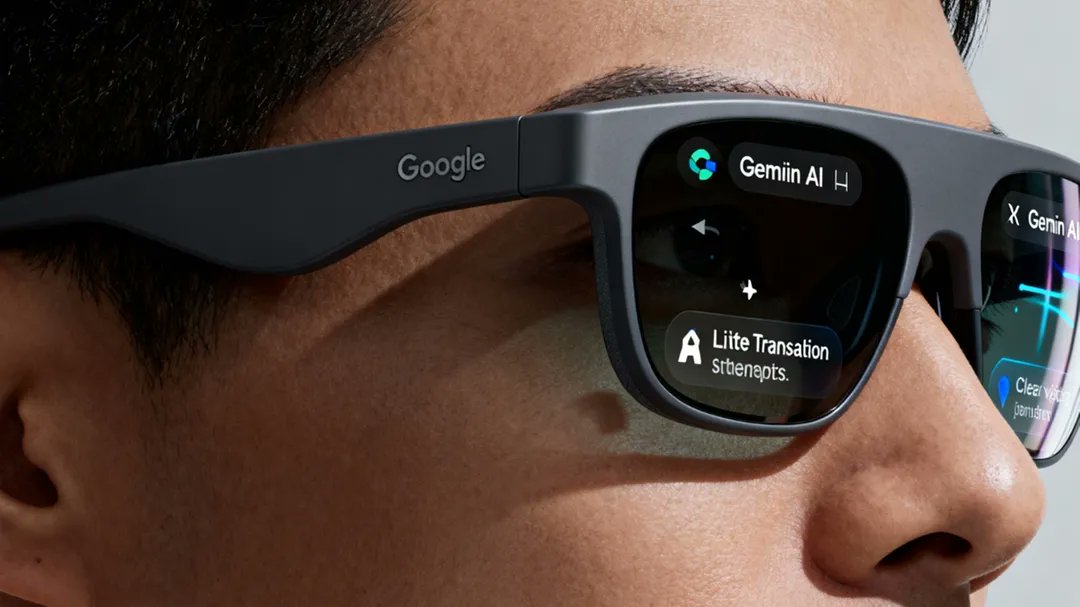
Google on May 19 unveiled its long-awaited entry into the consumer artificial-intelligence eyewear market at its annual I/O developer conference, introducing a new line of smart glasses developed in partnership with Samsung, Warby Parker and Gentle Monster.
The devices, which run on Google’s Android XR operating system and are powered by its Gemini AI model, represent the company’s most ambitious push yet into wearable computing since the ill-fated Google Glass more than a decade ago.
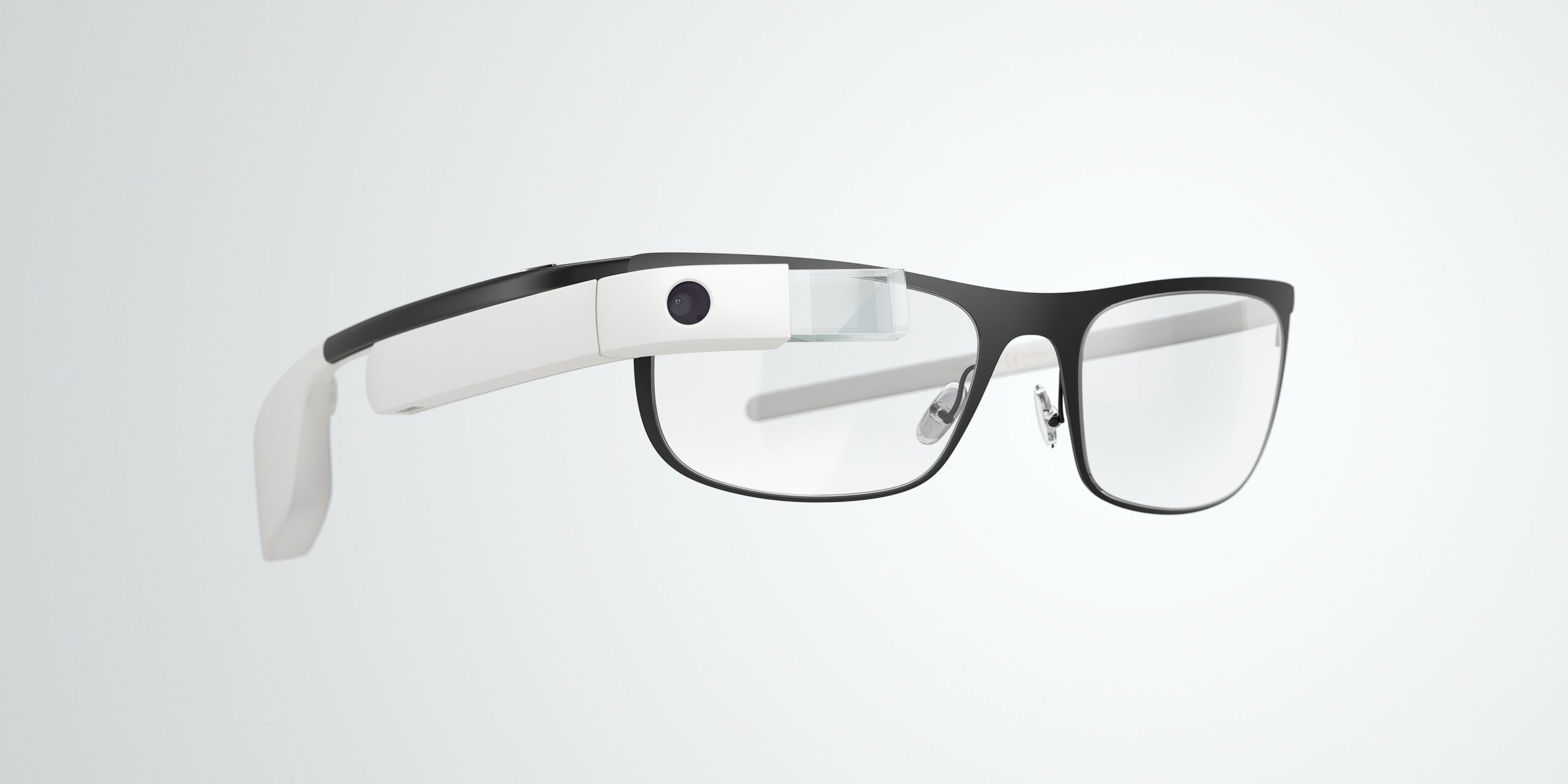
Unlike that earlier product, the new glasses are designed to look like ordinary everyday eyewear or sunglasses and emphasize audio interaction over visual displays—at least initially.
What the glasses can do
In a live demonstration during the keynote, Google product manager Nishtha Bhatia showcased the device’s Gemini-powered capabilities. Users can summon the assistant by saying “Hey Google” or tapping the frame.
Once activated, the glasses can provide turn-by-turn navigation for walking or driving, manage calls and texts, summarise unread messages, capture photos and videos, and edit them using Google’s on-device AI tools.
Real-time translation of speech and text across languages is supported, as are complex multi-step tasks such as ordering food or booking rides through partner apps hands-free.
Google executives demonstrated the glasses ordering coffee via DoorDash, reading unread texts aloud and adding calendar events without the user touching a phone.
Privacy questions were not extensively addressed during the presentation, though the company has confirmed the glasses will include LED indicators that light up when cameras or microphones are active.
Google positioned the product as a natural extension of its broader Gemini rollout across Android devices, aiming to embed AI more seamlessly into daily life. A commercial launch is planned for fall 2026.
Cross-platform strategy
In a notable strategic choice, the glasses will support both Android and iOS devices from day one, including full compatibility with iPhones. The decision broadens Google’s potential customer base in key markets such as the U.S., U.K. and Australia, where iPhone users represent a significant share of the premium wearable segment.
By prioritizing market expansion over ecosystem exclusivity, Google is directly challenging Meta Platforms, whose Ray-Ban smart glasses already work across iOS and Android and have gained early traction.
Apple, meanwhile, is reported to be developing its own AI-powered smart glasses integrating Apple Intelligence, though those devices are not expected before 2027, according to people familiar with the matter. That potentially gives Google roughly a year to establish a foothold among iPhone owners.
Market context, pricing and competition
Meta has sold more than 7 million units of its Ray-Ban smart glasses, capturing an estimated 85% of the market. Its latest models include versions with in-lens displays and advanced gesture controls.
The Google smart glasses feature cameras, microphones and speakers but omit an in-lens display for the first models. An in-lens display is a micro-screen embedded directly into the lens of smart glasses. It projects digital information such as notifications, maps, text, or translation directly into your field of view without obstructing your surroundings, creating a seamless, heads-up mobile experience.
Analysts expect the audio-only Google smart glasses to be priced between $299 and $499, placing them in direct competition with Meta’s current Ray-Ban models ($299–$379).
Google’s advantage lies in the perceived strength of its Gemini AI for complex, contextual tasks. Meta’s current assistant is viewed by many as less capable for multi-step operations.














Leave a comment