

By Bernard Njiraini
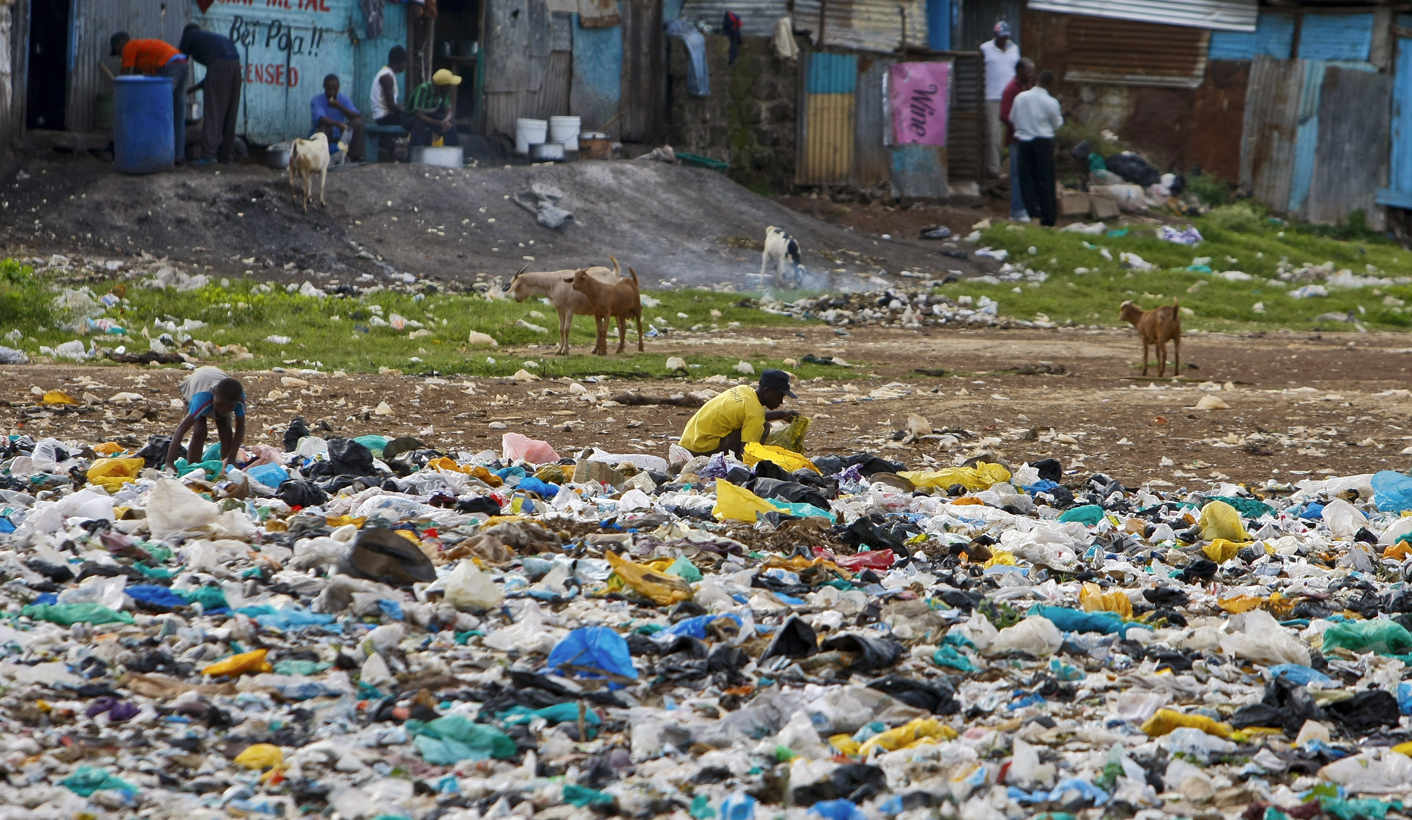
Over the last century, human activities have added to the earth’s natural level of greenhouse gases (GHG) such that their emission has altered the climate system resulting in climate change.
Some of the adverse effects of the phenomenon include frequent droughts and floods, increase in sea surface temperature, and altered rainfall patterns, among others.
It is now estimated that the economic cost of floods and droughts in Kenya creates a long-term fiscal liability equivalent to between 2 per cent and 2.8 per cent of the country’s annual Gross Domestic Product (GDP). At the same time, rapid population growth and urbanization have put tremendous strain on limited natural resources, making the traditional approach to social and economic development unsustainable.
To reduce the adverse human impact on the planet, we need the political will, concrete action, and the right tools. International standards are one such tool.
These are guidelines or protocols developed by thousands of experts worldwide who come together under intergovernmental organizations such as the International Electrotechnical Commission (IEC), the International Organization for Standardization (ISO), and the International Telecommunication Union (ITU) to advance voluntary technical agreements for consideration and universal use. Standards are used either by direct application or by modification to suit local conditions.
The application of environmental standards was the key focus in the just concluded World Standards Day celebrated annually on 14th October.
This year’s theme, protecting the planet with standards, recognized the role of standards in supporting reduction of the environmental impact of industrial production processes. With common standards, it becomes possible to develop similar protocols and methods of measurement in all aspects of sound environmental management including, developing energy saving systems and protection of soil, water, and air quality.
As a developing country whose economy is dependent on climate-sensitive sectors, such as agriculture, water, energy, tourism and wildlife, Kenya must take action to protect its environment in order to end poverty in all its forms and promote sustainable development.
To ensure their effectiveness and conformity with international commitments, these measures must meet global standards.
So far, the Government, through the Kenya Bureau of Standards (KEBS), has developed and adopted over 1,100 environmental standards on air, water, and soil quality, greenhouse gas emissions and radiation, energy efficiency, clean energy and environmental aspects of products. These environmental standards are aimed at mitigating the impact of human activities on the environment.
For example, air quality standards provide guidelines on tolerance limits and monitoring of emissions by factories, refineries, boilers, and power plants. Emissions include inactive dust (aerosols), carbon dioxide, nitrous oxide, methane, and other greenhouse gases.
More recently, the government adopted the use of information and communications technology (ICT) to make its processes efficient, effective as well as providing an enabling environment to its population to adopt innovation.
To cushion the environment from harm, KEBS has put in place standards to regulate our commendable technological progress to ensure responsible and efficient use of energy.
The country strives to promote renewable energy and energy efficiency through incorporation of aspects of Minimum Energy Performances (MEPS) for appliances and devices such as lamps, refrigerators, air conditioners, computers, and heavy electric motors. Efforts have been stepped up to increase water use efficiency through monitoring, reducing wastage, reusing, and recycling it.
Other technical regulations have been adopted to provide guidelines for tracking greenhouse gas emissions and radiation.
To stay within global benchmarks for environmental management in Kenya, KEBS is in the process of adopting more international standards that will support the realization of the global Sustainable Development Goals (SDGs).
These will guide measures to provide clean water and sanitation, affordable and clean energy and building of sustainable cities and communities.
They will encourage environmentally sound practices such as responsible consumption and production, protection of life on land and below water as well as needed climate action to ensure that we attain the goal of protecting the future planet with standards.
See Also>>>> Right Policy Environment Key to Realizing SDGs
Lt Col (Rtd.) Njiraini is the Managing Director at the Kenya Bureau of Standards.












Leave a comment