

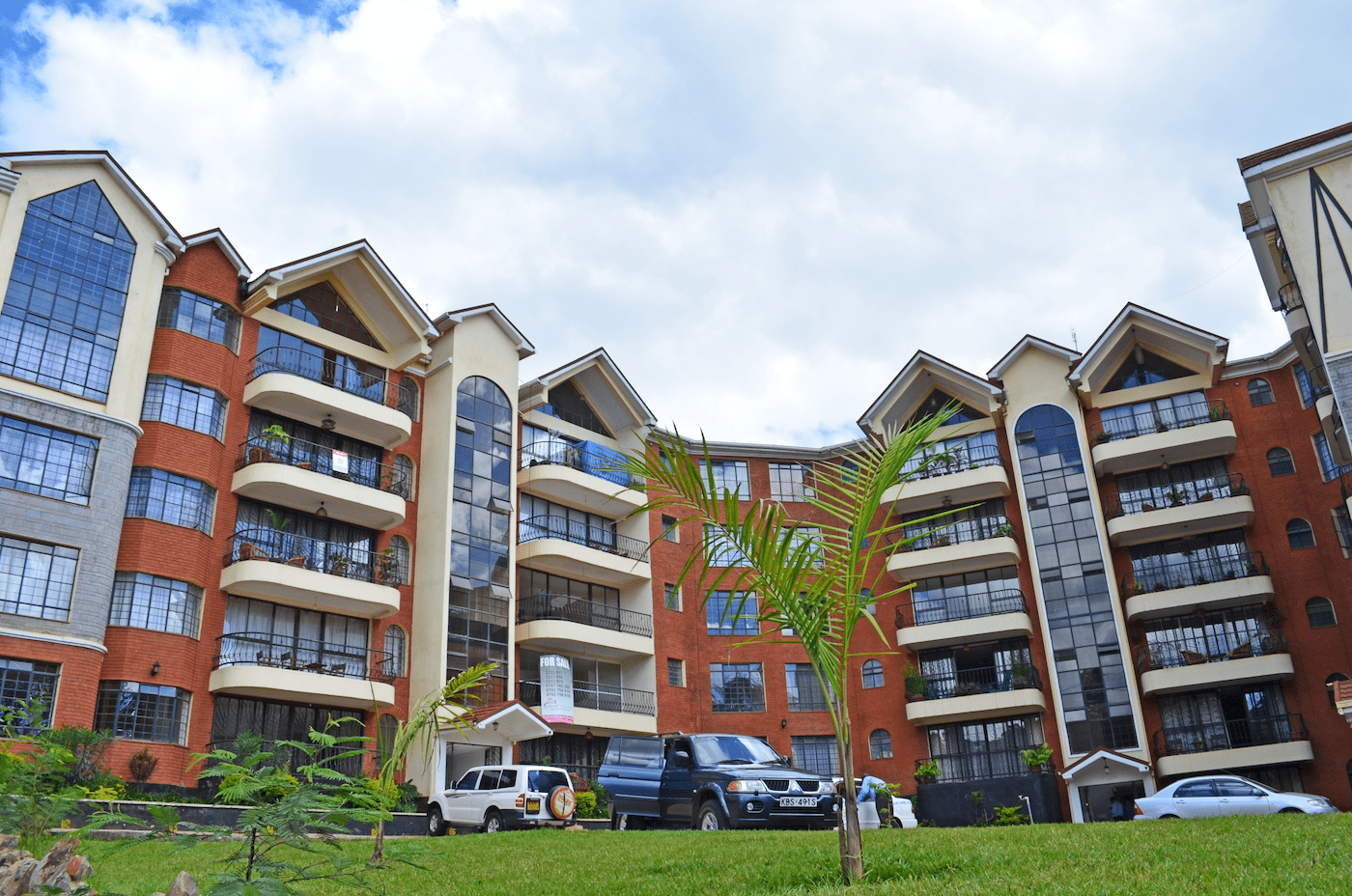
Prices in Kenya’s housing market continued to decline towards the end of 2024, creating opportunities for potential homeowners while creating challenges for real estate developers.
The latest Kenya Bankers Association Housing Price Index (KBA-HPI) shows that house prices dropped by 1.1% in the third quarter of 2024 compared to the previous quarter and fell 14.28% year-on-year. KBA Director of Research, Dr Samuel Tiriongo, said the slowdown in house prices reflects a shift in the market. “We are seeing a correction in prices due to reduced speculative buying and changing financing conditions,” Dr Tiriongo said.
At the same time, he said, banks have started adjusting their lending policies to support homebuyers, which could stimulate demand in the coming months. In the period under review, credit to the real estate sector grew slightly by 2.36%, but lending to the construction sector dropped by 13.47%, reflecting caution among banks.
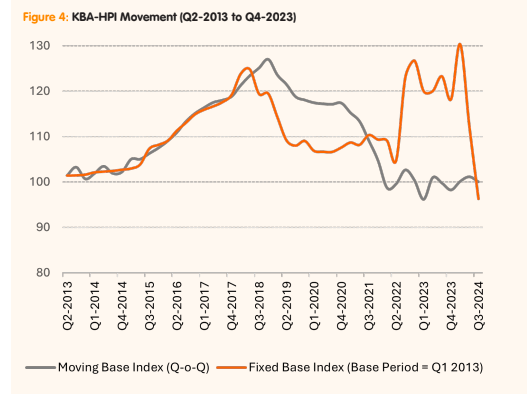
Some developers are struggling to secure financing for new projects, which could slow down the supply of new homes. The construction sector contracted by 2.0% in the third quarter of 2024, pointing to a difficult period for builders. However, cement consumption increased from 1.96 million metric tonnes in the second quarter to 2.20 million metric tonnes in the third quarter, suggesting ongoing construction activity, likely driven by government-backed housing projects and infrastructure development.
> Falling Prices Stimulate Demand for Houses in Kenya
In 2024, Kenya’s economy grew by 5.3%, supported by strong performance in the services sector and improved agricultural output. Inflation remained moderate at 6.7%, providing a relatively stable environment for investment. The Central Bank of Kenya’s latest FinAccess Household Survey indicates that formal financial inclusion now stands at 84%, meaning more Kenyans can access banking services, including mortgages. However, only 3.6% of the population has accessed a mortgage, showing room for growth in housing finance.
House prices trends in Kenya
According to the KBA-HPI, townhouses remained the most expensive in the third quarter, with an average price of Ksh38.63 million, followed by Maisonettes at Ksh26.08 million. The high-end market saw the most expensive townhouses going for an average of Ksh59 million.
Meanwhile, apartments continued to dominate transactions, though their market share slightly declined as more buyers explored other housing options like bungalows and townhouses. As homeownership becomes more accessible, policymakers are expected to focus on ensuring financing remains available, especially for low-income earners who have traditionally been locked out of the mortgage market.
The combination of falling house prices and lower interest rates presents an opportunity to bridge Kenya’s housing gap. “A well-functioning housing market is key to economic stability,” Dr Tiriongo added. “For this positive momentum to continue, we need to ensure that financing options remain open and that affordable housing projects are completed on time,” he said.
> Six Reasons You Should Buy Affordable Housing Unit
The KBA-HPI regions are based on clustered price ranges across several counties as follows:
Region 1: Athi River, Mlolongo, Mavoko, Nakuru, Ngong, Ruaka, Syokimau, Embakasi, Kahawa Wendani, Thika, Mtwapa, Utange, Kitengela, Kiembeni, Nyeri, Likoni, Eldoret, Ruiru, Kilifi,Thika road (Kasarani, Roysambu, Ruaraka), Meru, Bungoma.
Region 2: Thindigua (Kiambu Road), Kiambu, South B, South C, Kabete, Komarock, Imara Daima, Membley, Buruburu, Rongai, Waiyaki Way (Uthiru, Regen, Kinoo, Kikuyu), Mbagathi Road, Ngong Road, Lang’ata.
Region 3: Kileleshwa, Kilimani, Lavington, Westlands, Spring Valley, Riverside, Milimani (Kisumu), Milimani (Nakuru), Runda, Karen, Garden Estate, Parklands, Ridgeways, Muthaiga, Loresho, Kitisuru, Adams Arcade, Nyali, Mountain View, Nyari.













Leave a comment