

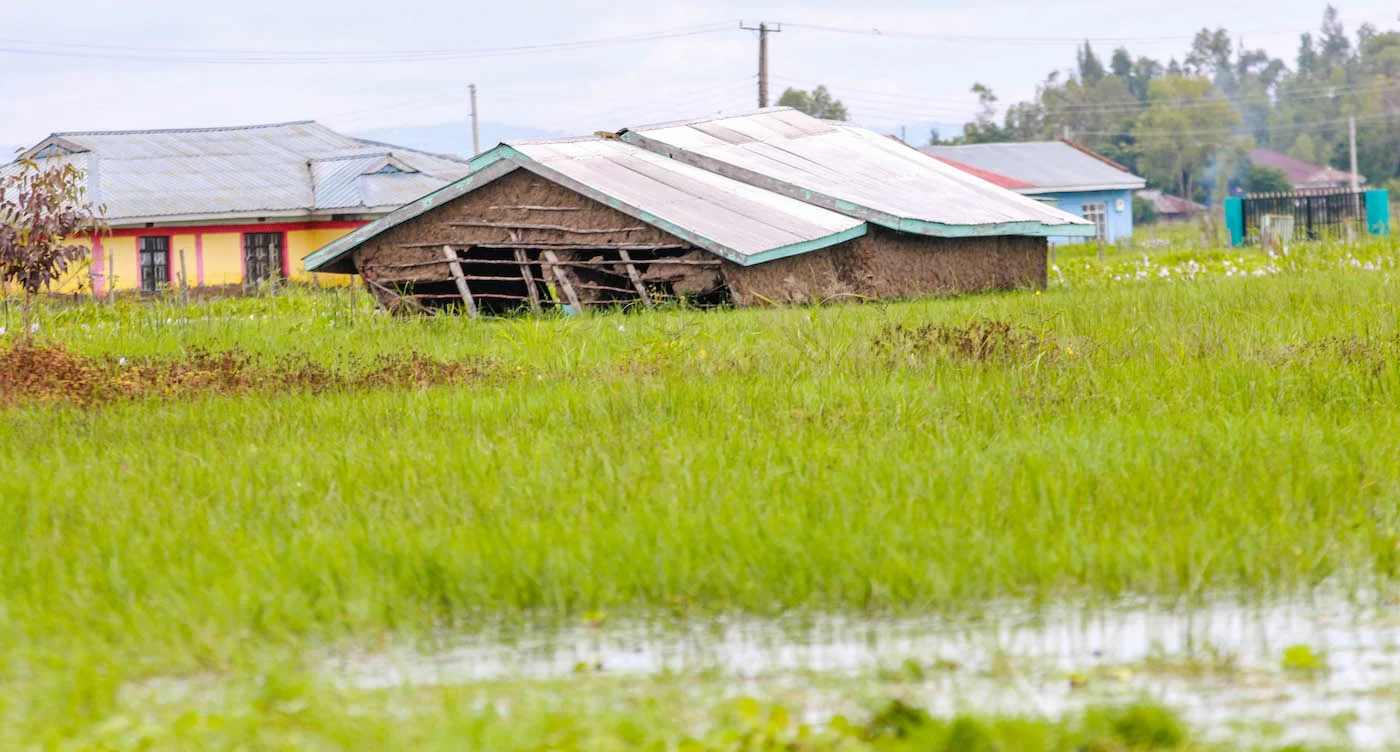
A new data-driven farming in Ahero, Kisumu County of Kenya has revealed crucial insights into how smallholder farmers can adapt to climate change while improving nutrition through an innovative farming method dubbed Integrated Multi Trophic Aquaculture (IMTA). The data science study, which reached 510 households, highlights the potential of IMTA, a system that combines fish, indigenous vegetables, and rice farming, to strengthen food security, diversify diets, and build resilience against floods and droughts.
Led by ICON Data and Learning Labs (IDL) in partnership with the Kenya Industrial Research & Development Institute (KIRDI), TINADA Youth Action Africa (TYAA), and supported by the Global Partnership for Sustainable Development Data (GPSDD) through its Capacity Accelerator Network (CAN), the data science study used a combination of household interviews, field observations, and predictive modeling to evaluate the potential of IMTA in Ahero under different climate scenarios.
“Ahero has long suffered the devastating consequences of both flooding and drought. Traditional concentration on rice farming has left smallholder farmers vulnerable,” said Zeddy Misiga, Founder of ICON Data and Learning Labs. “But this data tells a powerful story. It’s not just about what’s grown in the field, but what ends up on the plate. That’s why integrating climate, health, and food systems data is critical. With the insights from the study, we can guide targeted interventions that are rooted in evidence, not guesswork.”
The findings revealed that while most farmers in Ahero already cultivate multiple crops and vegetables, less than 20% practice rice-fish integration, even though 57% believe in its benefits. The data science study also revealed alarming nutrition gaps: 97% of households surveyed fell into the “poor dietary diversity” category, regularly consuming fewer than three food groups.
> Kenya, Tanzania Deploy Science to Tap Blue Economy
“Data gave us clarity on where the barriers are,” said Andrew Karanja, a CAN Data Fellow embedded at IDL. “We discovered that while 57% of households believe in the rice–fish system, only 19% are currently practicing it. That’s not from lack of interest, but from gaps in knowledge, inputs, and support.”
Andrew added, “Our aim was to make data work for the farmer. By combining data on climate, nutrition, farming practices, and household demographics, we were able to create a holistic picture of Ahero’s resilience potential and the gaps we must address. That’s how we turn vulnerability into action.”
The initiative’s forecasts suggest that scaling IMTA could improve household incomes and child micronutrient intake, even in adverse weather conditions. But the impact goes beyond climate and health, it also touches on equity. With 58% of surveyed households led by women, the data science study identified stark gender disparities: male-headed households reported better climate resilience and access to resources, while female-headed households faced lower food diversity and fewer farming inputs.
Yet, the data also revealed a powerful opportunity. “The most powerful story our data tells is that women who bear the brunt of climate stress and poor nutrition also hold the key to their communities’ resilience,” said Andrew. “Our data gives them a voice, and with the right tools, they’re ready to lead.”
To accelerate the adoption of IMTA, the data informed a three-phase intervention strategy: education, practical support, and confidence-building. Key recommendations include setting up demonstration farms, improving access to water infrastructure, and ensuring the supply of fingerlings and farming inputs.
> CIC Group Goes After Women With Innovative Insurance Solutions
“The data shows three key areas for action: sharing knowledge, improving infrastructure, and supporting women and youth,” added Andrew. “This means the government can now focus support and funding where it will make the biggest difference.”
The IMTA-Health initiative is not just a local success story; it offers a scalable model for global food system transformation. By leveraging localized data and combining traditional farming knowledge with modern data science, the project provides a plan for developing sustainable, nutritious, and resilient farming practices across the globe.
“The potential to influence global food systems is enormous,” said Zeddy. “By combining traditional farming knowledge with modern data science, this project offers a blueprint for improving food systems globally, one that prioritizes nutrition, resilience and equity.”











Leave a comment