

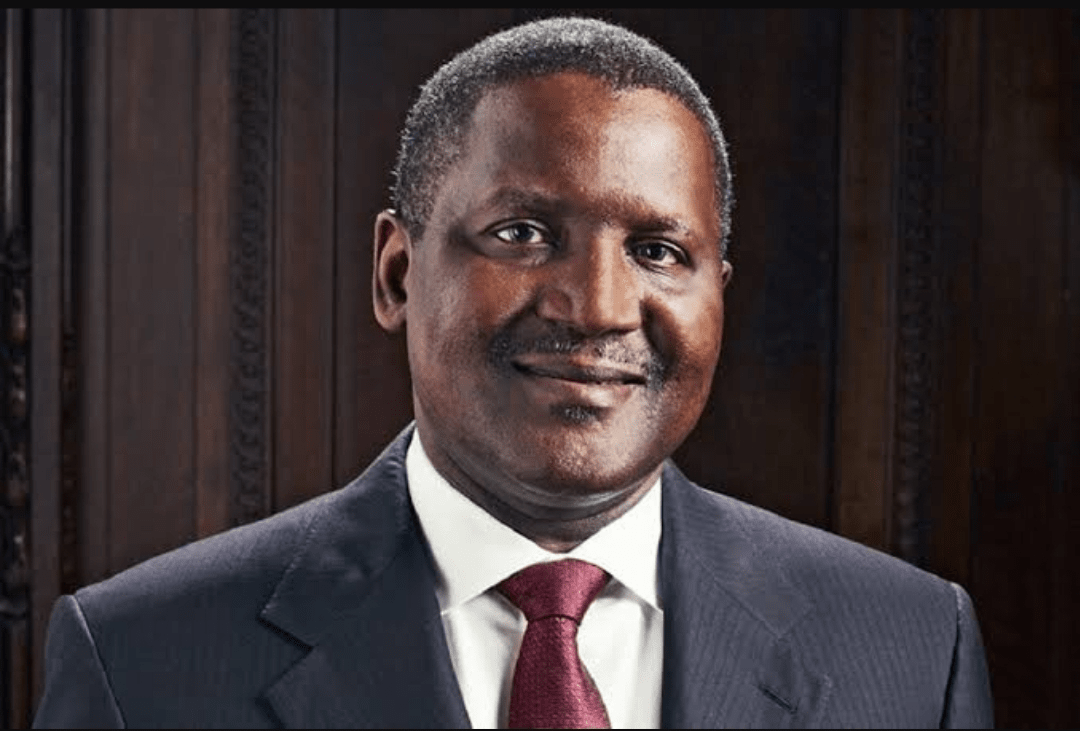
Nigerian billionaire businessman Aliko Dangote has set September 30, 2026, as the date for the launch of his planned oil refinery project in Lamu, with construction expected to take up to three years.
The proposed refinery is expected to supply Kenya and neighbouring countries with refined petroleum products, reducing East Africa’s dependence on imported fuel. It will be Dangote Group’s biggest refining investment outside Nigeria.
The project comes as Dangote expands its refining business across Africa amid strong demand for petroleum products and concerns about fuel supply disruptions in global markets.
Dangote Refinery chief executive David Bird said the company’s Nigerian refinery is currently operating at full capacity of 700,000 barrels per day.
Dangote Group is planning to double the capacity of its Nigerian refinery to 1.4 million barrels per day by 2029. The company has cited fuel shortages and supply concerns as some of the factors supporting its expansion plans.
The planned Lamu refinery would add to Kenya’s energy infrastructure at a time when the country continues to rely heavily on imported petroleum products.
Kenya imports refined petrol, diesel and other petroleum products to meet local demand, exposing the economy to changes in global oil prices, shipping costs and supply disruptions.
The country has also faced pressure from rising fuel prices during periods of conflict and instability in major oil-producing regions, particularly the Middle East.
The International Monetary Fund has identified external shocks, including developments affecting global energy markets, as a key risk to Kenya’s economy.
A refinery in Lamu could provide an additional source of petroleum products for the Kenyan market and other countries in East Africa.
However, the project is being developed as countries increase investments in renewable energy and electric transport. Global energy research organisations have projected that oil demand could slow and eventually reach a peak as electric vehicles become more common and countries reduce their use of fossil fuels.
Kenya has also been promoting electric mobility and renewable energy as part of efforts to reduce dependence on imported petroleum.
The World Bank has identified electric transport as one of the measures African countries can use to reduce exposure to global oil price movements.
Despite the shift towards cleaner energy, petroleum products remain widely used across East Africa in transport, aviation, manufacturing and other sectors.
Dangote’s planned refinery will therefore enter a regional market where fuel demand remains significant while governments continue to invest in alternative sources of energy.











Leave a comment