

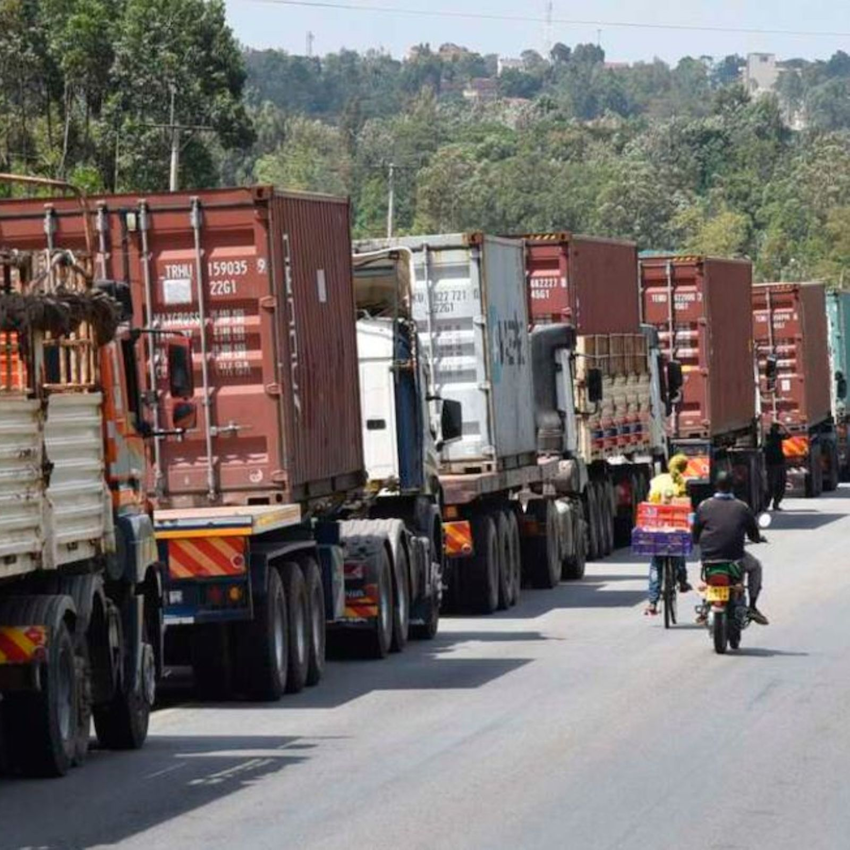
Navigating cross-border trade within the East African Community (EAC) requires a keen understanding of customs procedures, and one crucial aspect often overlooked is the timely cancellation of customs bonds. Failure to proactively manage this process can lead to unnecessary penalties and complications, impacting your business’s bottom line. This article provides essential guidance for Kenyan businesses engaged in import and export activities within the EAC.
What are Customs Bonds and Why are They Important?
Customs bonds act as a financial guarantee to the Kenya Revenue Authority (KRA), ensuring the payment of applicable duties and taxes. They are required in various scenarios, including:
- Goods in Transit: When goods are transported through Kenya to another EAC country, a bond guarantees duties will be paid if the goods don’t reach their final destination.
- Expedited Clearance of Perishables: To facilitate the quick release of perishable goods, bonds can be used to expedite clearance while ensuring duties are paid.
- Temporary Imports: Goods imported for exhibitions or other temporary purposes require bonds to cover potential duties if they aren’t re-exported as declared.
- Imports under Customs Incentives: Businesses benefiting from duty exemptions or other incentives often need bonds to guarantee compliance with program requirements.
There are two main types of customs bonds:
- General Bonds: These cover multiple transactions over a specified period, simplifying compliance for businesses with frequent cross-border activities.
- Particular Bonds: These are issued for single, specific transactions.
The Importance of Proactive Bond Cancellation
While securing a customs bond is essential for facilitating trade, equally important is its timely cancellation once the bond’s conditions have been met. This typically involves providing proof that the goods have crossed the border, all necessary documents have been filed, or the goods have been re-exported or put into local use.
Failing to cancel a bond after its conditions have been fulfilled can expose your business to penalties and complications, including agency notices and potential legal action by the KRA. As highlighted in recent cases before the Tax Appeals Tribunal, even expired bonds can lead to disputes if not properly cancelled.
Ensuring a Smooth Cancellation Process
Leading professional services consulting firm, PwC, advises businesses to maintain meticulous records related to their customs bonds. These include:
- Customs entries
- Bond documents
- Exemption letters
- Exit notes
These documents serve as crucial evidence of compliance and are typically required by the KRA for bond cancellation. Proactive customs bond management is not merely a procedural task; it’s a strategic imperative for Kenyan businesses engaged in EAC trade.
By understanding the types of bonds, their requirements, and the importance of timely cancellation, you can mitigate risks, avoid penalties, and ensure smooth cross-border operations. Don’t wait for expiry; take the initiative to cancel your bonds and maintain comprehensive records to protect your business interests.
> Tanzania Amsons Group Begins to Take Control of Bamburi Cement















Leave a comment